Photoreceptor degeneration is behind several major causes of blindness, including age-related macular degeneration (AMD) and retinitis pigmentosa (RP). Together, these disorders affect about 200 million people worldwide and rank among the leading causes of visual impairment and blindness. Beyond the profound effects on independence and quality of life, vision loss also creates a global economic burden estimated at over US$400 billion per year through healthcare expenses and lost productivity.
In these diseases, the retina's photoreceptor cells, which detect incoming light, gradually deteriorate and die. Yet much of the neural circuitry deeper within the retina can remain intact and capable of functioning. The problem is that, without photoreceptors, these surviving cells no longer receive the light signals needed to send visual information toward the brain.
That remaining retinal circuitry has become an important target for scientists trying to restore light sensitivity. Existing approaches include gene therapy, which is suitable for only a small fraction of patients with particular mutations, and electronic retinal prostheses, which can be invasive, costly, and require significant training. Optogenetics and light-responsive drugs have also entered clinical testing.
Light-responsive drugs have produced encouraging safety results, but restoring high-quality vision under ordinary levels of illumination remains difficult. Light-Activated Drugs Offer a New Approach A research consortium led by the Institute for Bioengineering of Catalonia (IBEC) has now developed a new class of photoswitchable small-molecule drugs designed to restore important visual functions in animal models of blindness. The findings were published in the Journal of the American Chemical Society (JACS).
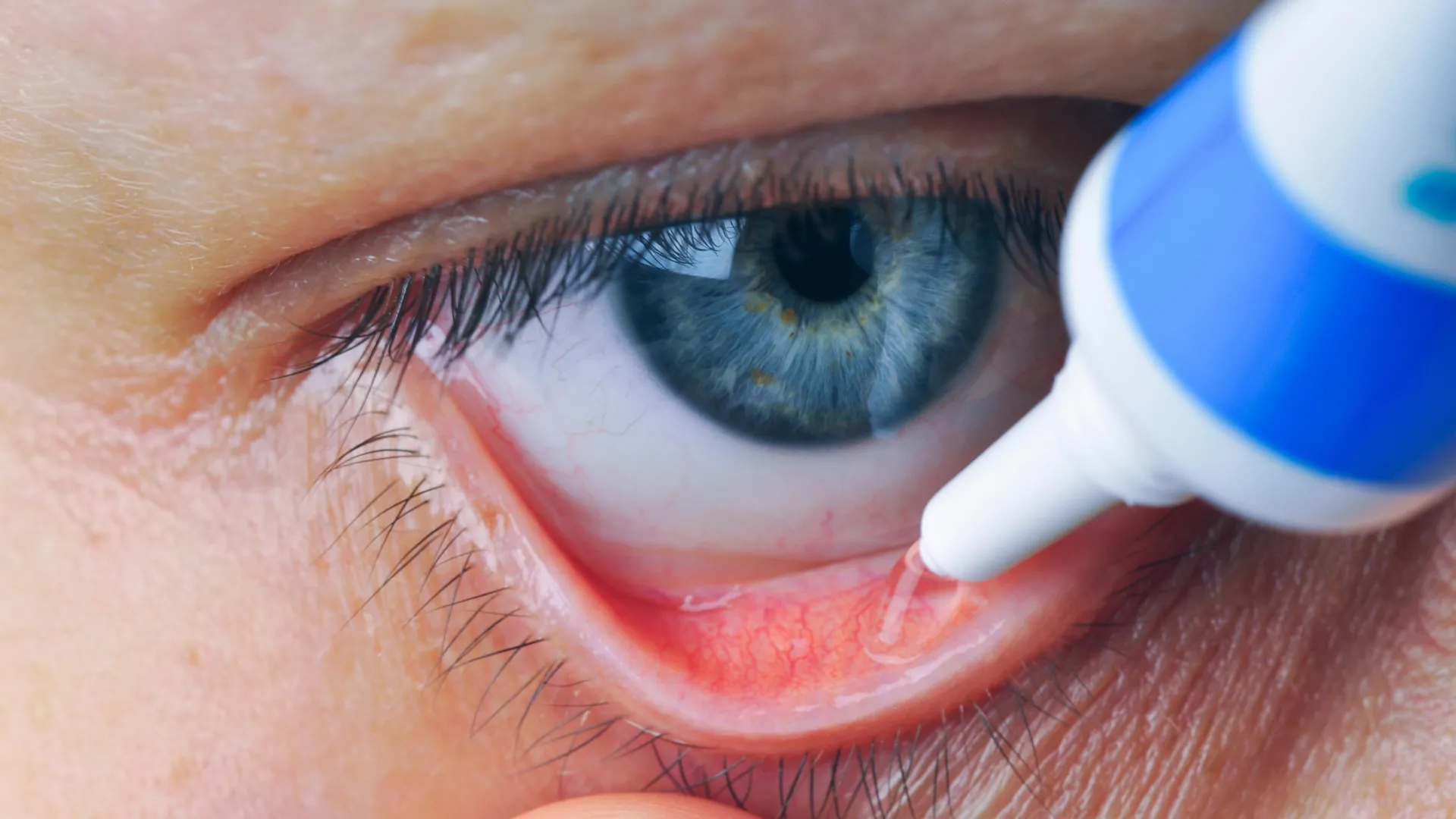
The compounds are designed to take over part of the job normally performed by photoreceptors. They can be delivered by injection into the eye, much like other ophthalmic drugs, or even applied as eye drops. Neither method requires genetic modification or an implanted device.
The compounds have also shown promising safety profiles, making them potential candidates for future therapies aimed at restoring vision. "These molecules do not cure blindness, because they do not address the cause of photoreceptor degeneration. But they are remarkably effective at restoring sight, and they do so using a very simple and potentially patient-friendly approach," explains Pau Gorostiza, ICREA Research Professor at IBEC, leader of the Nanoprobes and Nanoswitches group, member of CIBER-BBN and co-leader of the study.
Extract — continue reading at the source.


