The Middle East appears to be becoming increasingly volatile again, as the Houthi advances in the region may have reignited Iran’s influence. The crisis in Yemen involving Saudi Arabia is taking a significant diplomatic turn. After Pakistan reportedly declined to engage the Houthis on foreign soil, Riyadh has allegedly sought Israeli intelligence assistance through the U.S.
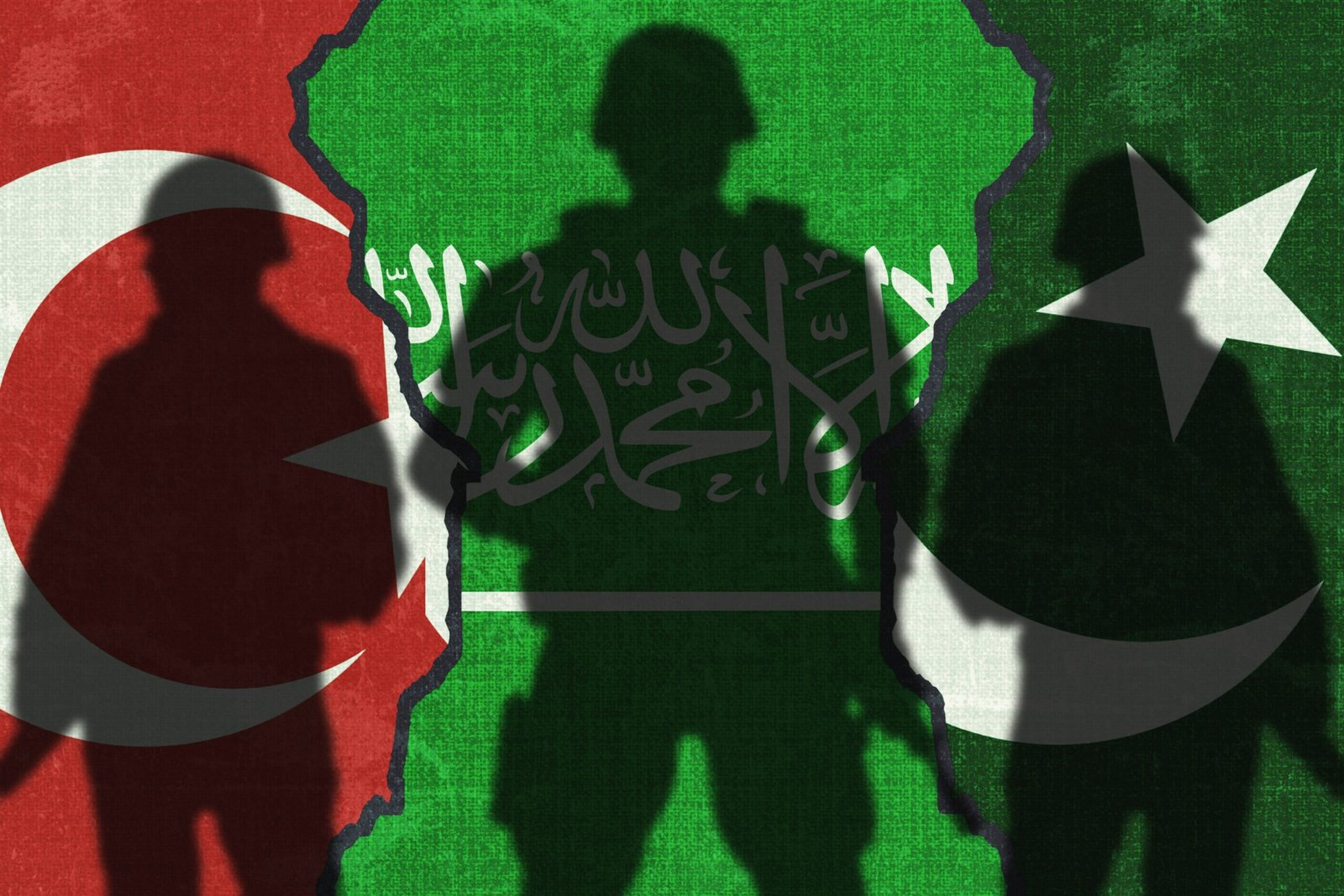
With the Houthi forces applying pressure on Bab el-Mandeb and jeopardizing vital oil export routes, the conflict is reshaping alliances across West Asia and highlighting the region's fragile security balance. Following the Houthis' seizure of Yemen's Red Sea coast and the Bab el-Mandeb Strait, Saudi Arabia has sought Israeli intelligence support via U.S. Despite being part of the Mecca Defense Alliance with Saudi Arabia and Türkiye, Pakistan has reportedly refused to deploy forces for combat operations in Yemen.
The U.S. and U.K. have ruled out direct military strikes, opting instead to provide intelligence and advisory support. Meanwhile, Türkiye has expressed its support for Saudi Arabia’s security amid the escalating Houthi attacks. We have an alliance agreement in our pact.
We are in serious solidarity on this point … They may have some military needs, especially on some technical issues. We would have no issues in meeting these,” Fidan told broadcaster NTV. He added that proposals had been conveyed to all sides in an effort to end the fighting, without elaborating on what they are.
Now, with increasing tensions in the region, including Houthi threats to close Saudi airports, warnings issued by the U.S. mission in Kuwait and Saudi Arabia to travelers, and Iran’s claim that the U.S. plans to resume its "actions" against Tehran, questions arise about the future of the region. Lebanon-based analyst Hazem Al-Tawil told AzerNEWS that the Mecca Defence Agreement between Saudi Arabia, Türkiye and Pakistan could face its first serious test amid the renewed Houthi threat and growing tensions across the Middle East: "Indeed, the Middle East appears to be entering another dangerous phase. Renewed Houthi pressure, attacks threatening Saudi territory and infrastructure, mounting concerns over the Bab el-Mandeb and the possibility of a wider US-Iran confrontation are testing the region's emerging security arrangements.
At the centre of that test is the Mecca Joint Defence Agreement between Saudi Arabia, Türkiye and Pakistan. The pact commits the three countries to treating an armed attack against one member as an attack against all, while expanding military and defence cooperation. On paper, this gives Riyadh something it has long sought: a broader regional security framework that is not entirely dependent on the United States.
Extract — continue reading at the source.