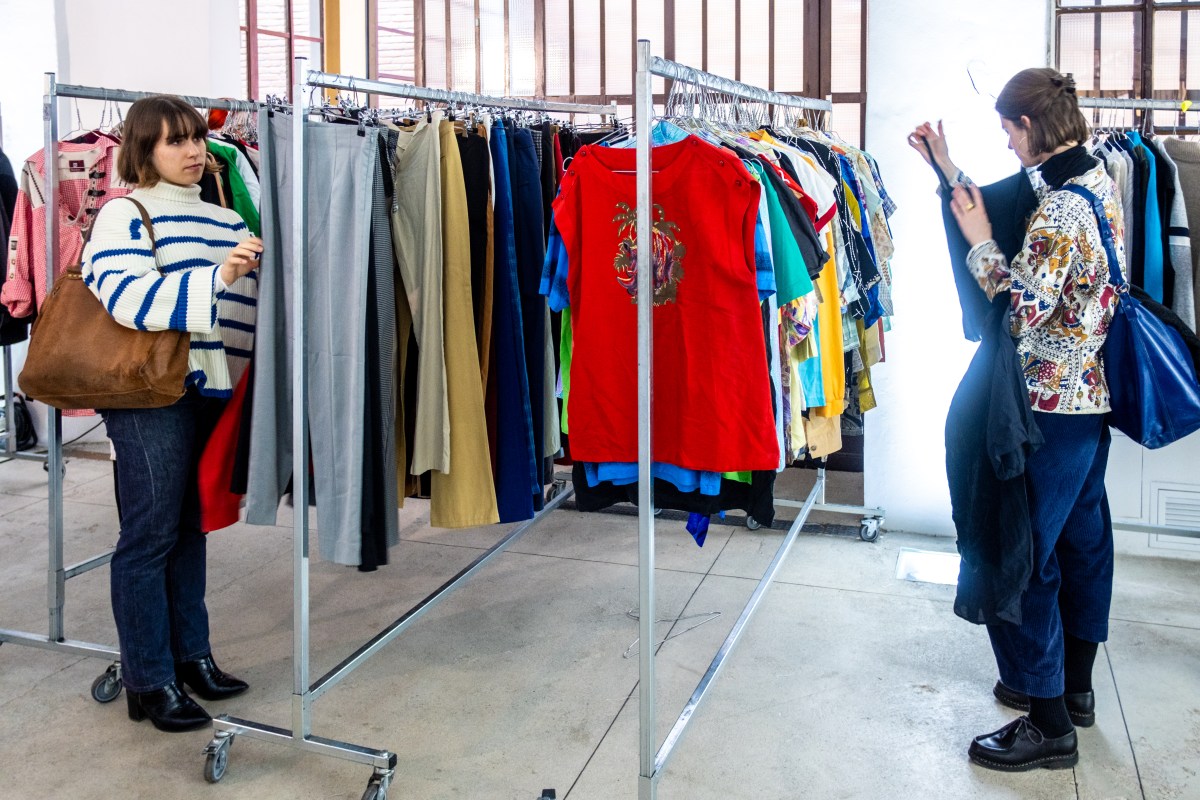
The European Union generated approximately 6.94 million tons of textile waste in 2022, equivalent to around 16 kilograms per person, according to the European Environment Agency. At the same time, 85 percent of household textile waste was not separately collected, limiting opportunities for reuse and recycling. These figures raise an uncomfortable question for the fashion industry.
If sustainability has become such a prominent part of the conversation, why does so much textile waste remain outside systems that could give it another life? As new European rules tighten expectations around environmental claims, brands will increasingly need to demonstrate what their sustainability commitments mean in practice. The era of simply describing a collection as sustainable is becoming harder to defend.
Under the European Commission’s new rules on empowering consumers for the green transition, which apply from September 27, 2026, businesses face restrictions on generic environmental claims that cannot be substantiated, as well as certain future-facing claims that lack clear, verifiable commitments. For fashion brands, this represents more than a change in marketing language. It challenges businesses to examine whether their environmental messaging reflects what is actually happening across product development, sourcing, manufacturing, and waste management.
The pressure is unlikely to stop at advertising. The European Commission has identified textile apparel as a priority category under the Ecodesign for Sustainable Products Regulation, with an indicative timeline for adopting the relevant delegated act in the fourth quarter of 2027. The framework is expected to support the development of Digital Product Passports for textile products, bringing product-level information closer to the center of the regulatory conversation.
The direction is clear: environmental claims will need stronger foundations, and product information will matter more. I have spent 35 years working across the fashion and sports industries, and I believe the challenge is not simply to communicate sustainability more effectively. It is to make better decisions about the products themselves.
Materials, manufacturing processes, and waste are not separate from commercial performance. They are part of how a business designs, produces, and delivers its products. A brand might promote the use of recycled materials in one collection, for example, while overlooking waste generated during sampling, cutting, or production.
Extract — continue reading at the source.