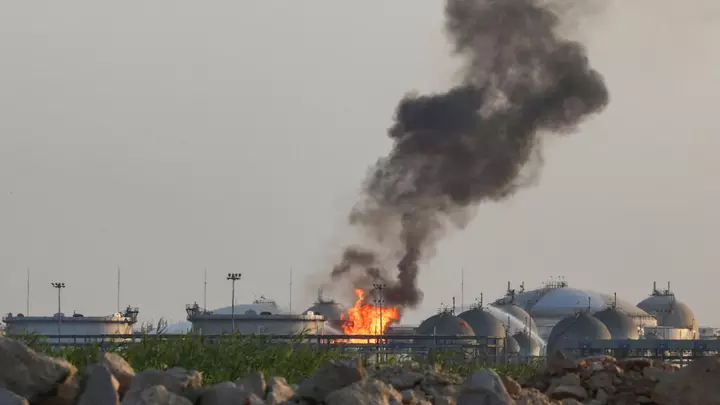
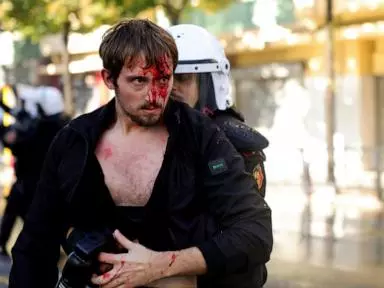
We are not sure of the extent of it or whether they will continue, but we will assess it.” Balema did not know it then, but he was describing the start of a major military escalation. Fighting intensified across parts of Tigray and later spread to the neighbouring Afar and Amhara regions, pitting federal forces against several armed groups. A day later, Balema told Al Jazeera that the situation had become a “full war”.
The Tigray Army said the federal government had launched a “full-scale offensive” involving infantry, mechanised units and drones, and said its forces had begun counteroffensive operations. Getachew Reda, a former senior TPLF figure who now advises Prime Minister Abiy Ahmed, gave the opposite account of how the fighting began, accusing the TPLF of launching the attack. The escalation disrupted air travel, as Tigrayan forces seized airports in the region and Ethiopian Airlines suspended flights across Tigray.
Local reports also said they had captured Abala, a district capital in neighbouring Afar. Amid the competing accounts of how the escalation began, the immediate question may now be whether Ethiopia has crossed into a wider conflict. The intensification came days after seven armed movements from across Ethiopia, including the TPLF, announced the formation of the Ethiopian Peoples’ Forces Alliance for Survival, which committed itself to removing Abiy’s government.
The coalition has brought together the Amhara Fano National Movement and the Oromo Liberation Army, alongside other movements from Somali, Afar and Benishangul-Gumuz areas. The alliance marked a striking realignment that had been almost a year in the making, bringing together movements with very different histories and grievances against the central government, including forces with bitter histories of conflict among themselves. In a statement issued as the fighting widened on Wednesday, the alliance said the federal government was attacking its member forces on several fronts and presented their response as part of the broader struggle that had brought the coalition together.
The regional East African bloc IGAD called for hostilities to cease and direct dialogue to resume, while the United Nations has expressed concern over the formation of the new armed coalition and reports of drone attacks. About three-quarters of a million people were already internally displaced in Tigray because of the earlier war, according to UN migration data. The alliance grew out of the political realignment that followed the Pretoria agreement, which ended the two-year Tigray war in November 2022.
The deal brought peace between Addis Ababa and the TPLF, but fractured the coalition Abiy had assembled to fight the war. Neither Eritrea nor Amhara forces, whose troops had fought alongside the federal army, were parties to the final agreement, and both later fell out with the federal government. In Amhara, tensions over plans to dismantle regional forces helped trigger open conflict between the Ethiopian government and Fano fighters, organised under the Amhara Fano National Movement, in 2023.
Extract — continue reading at the source.