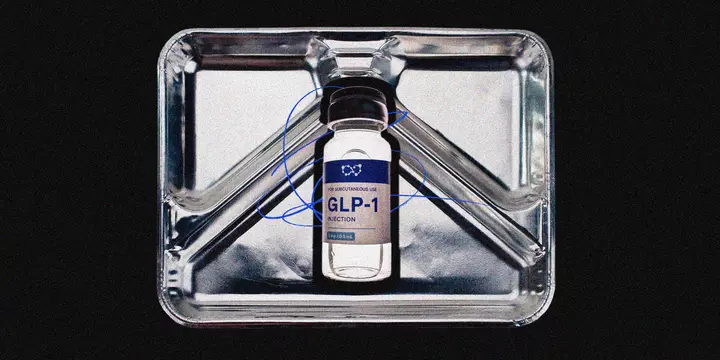
You’re halfway through your meal at dinner when your friend stops eating after two bites, saying food just isn’t as appealing as it used to be. Then, at the grocery store, you spot a cereal box with a new claim: “GLP-1-friendly.” With GLP-1 use in the United States reaching a new high, appetites, portion sizes, taste preferences, and buying habits are shifting widely. The data backs this up: Households with at least one GLP-1 user cut grocery spending by 5.3 percent within six months of starting Ozempic or Wegovy, according to a 2025 study in the Journal of Marketing Research.
Spending on savory snacks fell 10.1 percent, and spending at fast food restaurants and coffee shops dropped 8 percent. Meet the Experts: Roxana Ehsani, RD, is a board-certified sports dietitian based in Washington, D.C. Qianzhi Jiang, PhD, is a pediatric and family dietitian at The Nutrition Changer in Natick, Massachusetts.
And Big Food is taking notice. Brands are attempting to appeal to shoppers with a new “GLP-1-friendly” food label popping up on snacks, cereals, and even frozen meals. Ahead, experts break down what the label means and whether these foods can help you reach your weight-loss goals.
For example, Vital Pursuit's “GLP-1 friendly” frozen food line is “high in protein,” contains “one or more other essential nutrients,” and is a “good source of fiber,” per the website. (Most of their products have around 30 grams of protein and 17 g of fiber per meal.) Daily Harvest has a line of “GLP-1-friendly” smoothies that are “calorie-conscious” and also claim to be “high in fiber” (about 3 to 6 g per smoothie). Across the board, the brands also emphasize smaller portion sizes, since people on GLP-1s naturally eat less. However, the definition of “GLP-1-friendly” isn’t quite nailed down.
Neither the Food and Drug Administration (FDA) nor the U.S. Department of Agriculture (USDA), which regulate our food, has an official standard or definition for it, Ehsani says. However, the USDA’s Food Safety and Inspection Service (FSIS) has given some brands—like Nestlé and Conagra—approval to use the “GLP-1-friendly” label, per the .
Essentially, the USDA "evaluates products bearing 'GLP-1 friendly' claims under its existing regulations for products represented as useful for weight loss or maintenance," according to a USDA spokesperson. Some of the products above match that description. Still, given the lack of clear definition, the “GLP-1 friendly” label can be misleading, Ehsani says.
Extract — continue reading at the source.


