For almost 20 years, Jai Mazumdar has served vegetarian curries, samosas, gulab jamun and other Indian delicacies at Spice N Curry, a cafe and grocery nestled inside a modest strip mall near Florida International University (FIU) in Miami. When the Covid-19 pandemic devastated his business, as it did with so many restaurants, Mazumdar took out a $370,000 economic injury disaster loan (EIDL) from the federal government in early 2021. At the time, it provided a desperately needed lifeline.
He was confident that once business returned to normal he could begin repaying the 30-year loan, which came with a low 3.75% interest rate and a 30-month deferment period. But when his business didn’t recover, the disaster loan turned out to be a disaster of its own. The Spice N Curry cafe relied heavily on traffic from FIU.
Since many students and faculty were studying and working remotely both during and after the pandemic, Mazumdar’s lunch business took a major hit. As the losses mounted, he applied for additional EIDL funds and was extended another $87,000 loan the following year. Borrowers with EIDLs totaling more than $200,000 were required to personally guarantee the loan, which meant that if they default, the government would be able to seize their personal assets.
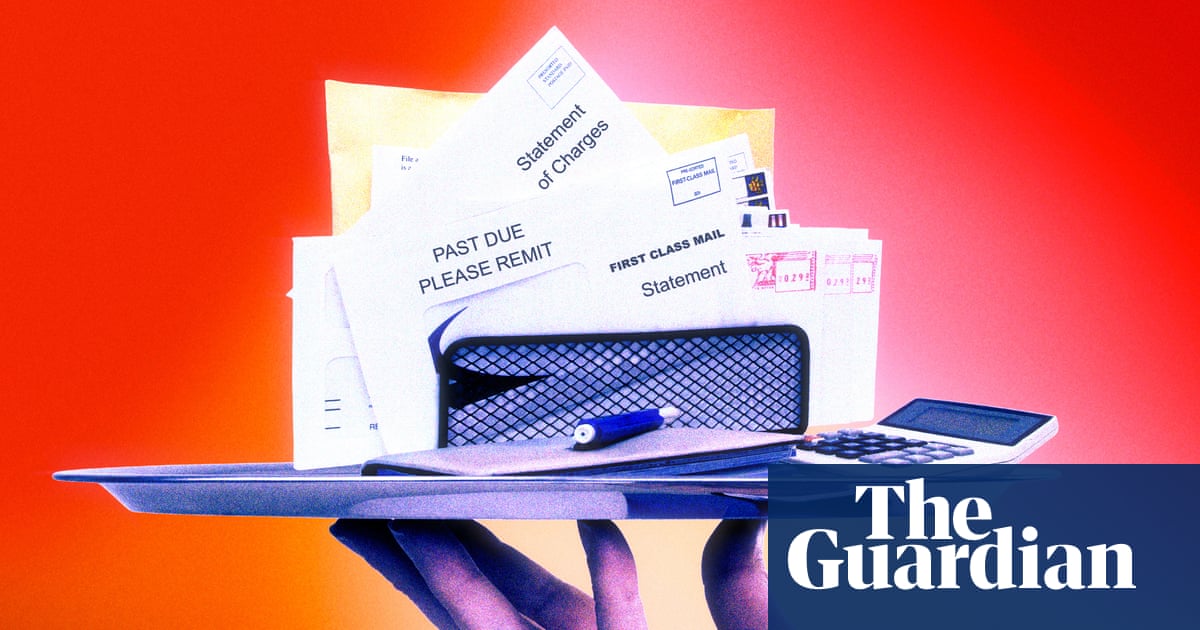
Five years later, Mazumdar is struggling to make his monthly payments, and he’s losing faith that he’ll ever be able to fully repay the loans. Since Congress passed the Coronavirus Aid, Relief, and Economic Security (Cares) Act in March 2020, the federal government has issued 3.9m Covid-related EIDLs totaling $378.4bn to businesses that faced hardship as a result of the pandemic. The Small Business Administration (SBA) was tasked with administering the loans – up to $2m per individual applicant.
Despite the attractive rates and flexible terms, according to a congressional report released earlier this year, EIDL defaults have steadily risen to over 30%, resulting in $75.2bn in charged-off loans as of last June. Local initiatives that promised rent relief or eviction moratoriums often fell through. So they moved through 2022 and beyond trying to pay off their debt and weren’t able to reinvest in their businesses.” Mazumdar says his business is worse off today than it was during Covid – a sentiment echoed by other operators whose businesses have been negatively affected by rising food, labor and energy costs.
The average population doesn’t have spending power. There is a lack of qualified labor. Tourism has also declined here.
Extract — continue reading at the source.