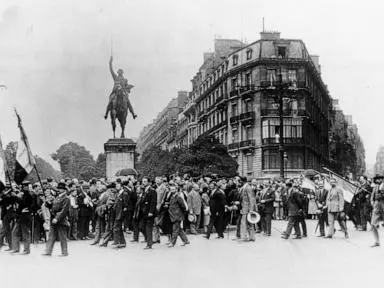
France is known for its vibrant protest culture, where activism is seen as a social duty and part of the national identity PARIS -- No nation does mass protests quite like France. When the French fight high fuel taxes, they don yellow vests and march. When angry farmers want better pay, hundreds of them drive tractors down the Champs-Élysées.
And when museum workers want better tourist management, they strike and shut down the Louvre. Passionate public protest is as French as “La Marseillaise,” the 1792 anthem that enshrines the collective duty to fight tyranny in the country's national identity. But this month, the most violent demonstrations in years — and tough policing — have raised concern about riots overshadowing hundreds of thousands of peaceful demonstrators marching against rising living costs and poor conditions in schools.
On Saturday alone, at least 2,400 people were arrested after rioters in cities across France clashed with police, set cars on fire, stormed public buildings, looted stores and engulfed a historic city hall in flames. More protests could be in store. "How can French people do this to France?" outgoing President Emmanuel Macron asked on Sunday.
Nothing justifies the destruction, he added. Historians say the revolution was where the modern-day French tradition of civic engagement as a duty was born. The idea is that voting is not the only way to drive change; demonstration is considered a bedrock value, a way to make elites hear the populace and to defend freedoms.
The moment a child becomes an activist is seen as a generations-old rite of passage. The right to protest is even constitutionally protected. France's post-revolution history is not a solid story of protests and reforms, but of cycles of popular uprisings, repression, mobilization and political concessions.
The tradition has turned tragic; In 1871, government troops cracked down on the new “Paris Commune,” or municipal government, reportedly killing thousands. In some ways, collective action won — as in 1968, when student demonstrations and a general strike forced the government to grant concessions like an increase in the minimum wage. In more recent history, the “yellow vests” — “gilets jaunes” in French — demonstrated against a proposed fuel tax increase, and that broadened into protests over other issues like living costs and inequality.
Extract — continue reading at the source.