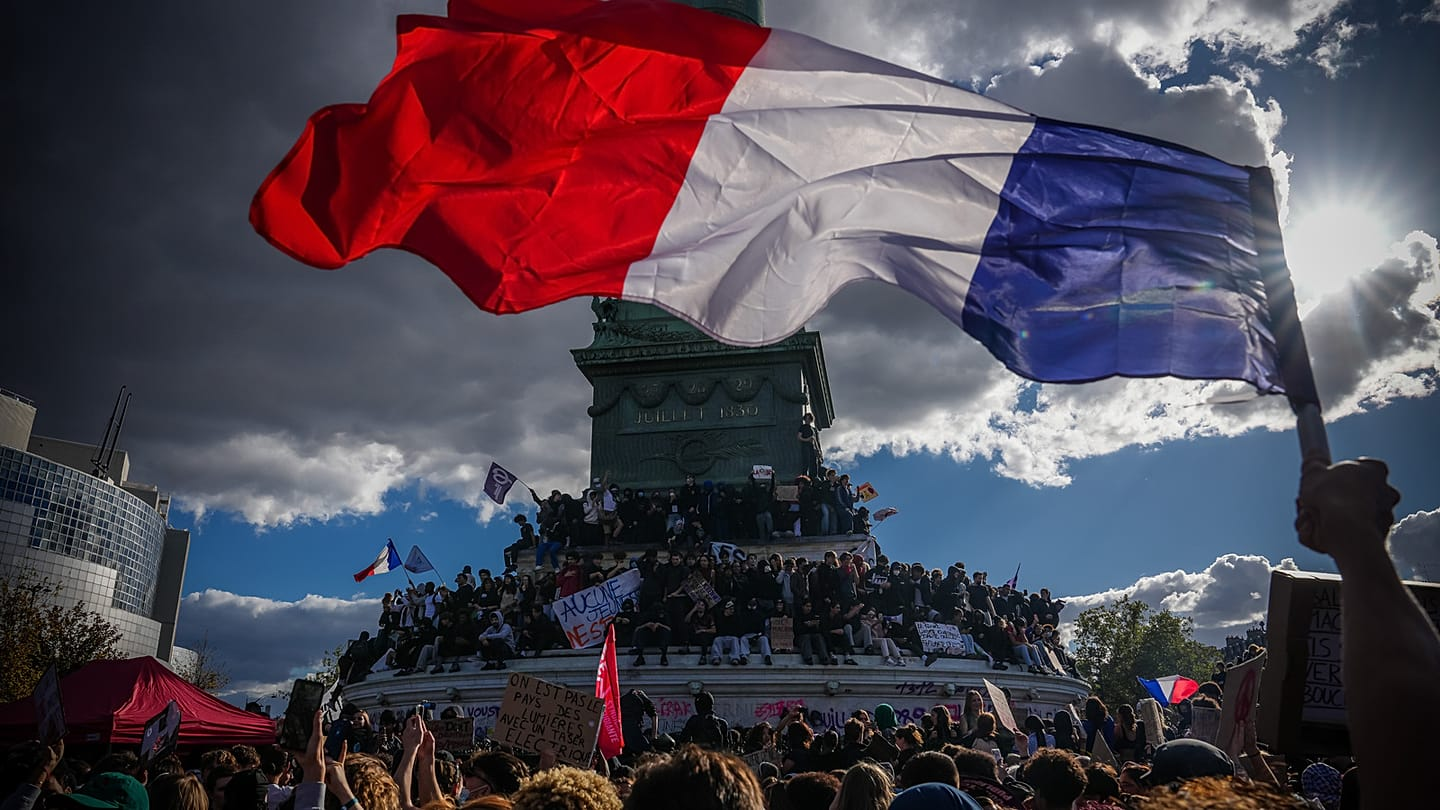
In mid-October 2026, France found itself plunged into a period of acute societal upheaval. What began as a series of widespread demonstrations across the country against the rising cost of living, surging fuel prices, and the perceived decline of public services, rapidly spiraled into some of the most destructive civil unrest the nation has witnessed. Over 500,000 protesters had taken to the streets in Paris, Marseille, Lyon, and other major urban centers.
While the initial demonstrations were characterized by the varied voices of students, teachers, labor unions, and a renewed iteration of the "Yellow Vest" movement, the atmosphere soon darkened as clashes erupted between segments of the crowds and security forces, leading to widespread vandalism, arson, and thousands of arrests. The violence has sent shockwaves through the French political establishment, drawing comparisons to the historic social unrest of 1968. President Emmanuel Macron, addressing the nation amidst the chaos, issued an urgent appeal for order.
He pledged to confront the economic grievances fueling the anger while simultaneously condemning the rioters and vowing that those responsible for the violence would be held accountable. To understand the scale of the current instability, we need to look beneath the veneer of the immediate riots to the protracted economic anxiety gripping France. For years, the country has struggled with slowing wage growth, a high tax burden, and the worsening effects of global inflationary pressures.
The protests initially began with high school students and public sector employees taking to the streets. Students were angered by mounting problems in the education system, including teacher shortages, overcrowded classrooms and the poor condition of school buildings, while public sector workers protested against a freeze on wages. Less than a month later, the demonstrations had grown significantly.
On October 17, not only school students but also university students, trade union members and supporters of the Yellow Vests movement took to the streets across France. They protested against the rising cost of living and declining quality of public services, demanding higher wages and pensions as well as better learning conditions. Authorities had initially expected between 60,000 and 110,000 people to demonstrate in major cities.
However, according to the French Interior Ministry, around 550,000 people ultimately took part in the protests nationwide, including 110,000 in Paris alone. Organizers put the total turnout at 800,000. Interior Minister Laurent Nuñez said approximately 110 marches were held across the country.
Extract — continue reading at the source.