In 1815, a volcanic eruption in Indonesia released a massive cloud of ash and particulates, large enough to affect global weather. Temperatures plummeted, causing frosty conditions and torrential rain across Europe, North America, and Asia for months. Failed crops, widespread hardship, pestilence, and famine.
Against these events, we begin in 1816—known also as the “Year Without a Summer” or “Eighteen-Hundred-and-Froze-to-Death.” At a mansion near Lake Geneva, Switzerland known as the Villa Diodati, a gathering took place. Lord Byron, accompanied by his traveling physician John Polidori, hosted writers Mary Shelley (then Mary Godwin), Percy Bysshe Shelley, and Claire Clairmont. Clairmont, Byron’s mistress and mother of his unborn child, had orchestrated the introduction between Byron and the group.
The timing of this get-together, however, was far from ideal. For three days, the group remained indoors, confined by the unseasonable and mysterious inclement weather. To pass the time one evening, having already read aloud eerie and violent narratives like those in Jean-Baptiste Benoît Eyriès’s Fantasmagoriana, Lord Byron presented the group with a challenge: to write chilling tales of their own.
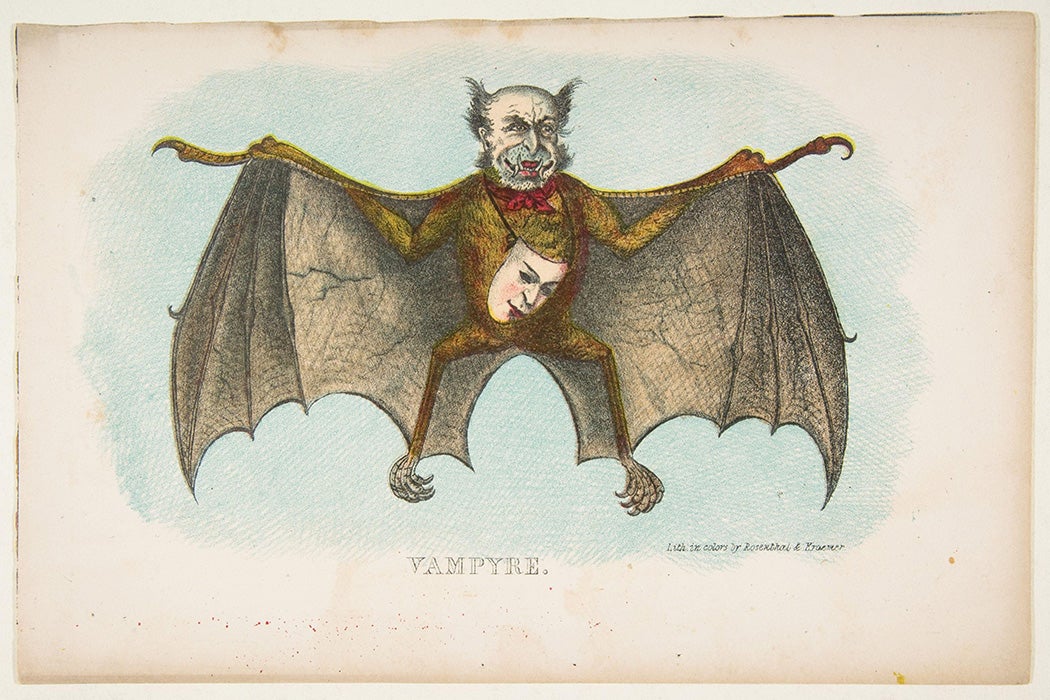
From this spirited competition emerged two progenitors of modern horror, science fiction, and fantasy. This meeting of minds and its tempestuous backdrop produced three significant works: Frankenstein; or, The Modern Prometheus by Mary Shelley, The Vampyre by John Polidori, and A Fragment by Lord Byron. Percy Shelley and Claire Clairmont’s participation in the friendly competition did not bear such fruit.
Mary Shelley, the daughter of two highly regarded writers, struggled quite a bit to conjure an idea of her own. She hoped to prove worthy of her patrimony by devising a story that evoked the same fears and concepts as the narratives read aloud by the group. After a time, inspired by conversations between Byron and Polidori around the reanimation of corpses, her story dawned on her as though it haunted her itself—she envisioned a man breathing life into the lifeless, later besieged by the waking result of his efforts.
From this image, she produced Frankenstein, one of the most enduring literary works of our time. Lord Byron, on the other hand, quickly abandoned his entry for the competition. Dubbed A Fragment and later published against his will in a collection of poetry, the incomplete epistolary story follows the narrator’s companionship with an older man during an eastward journey.
Extract — continue reading at the source.