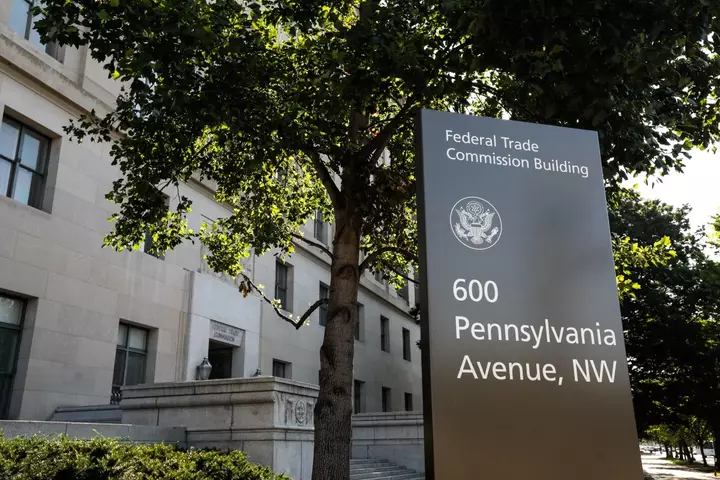
Americans reported losing about $16 billion to fraud in 2025. That is the highest figure the Federal Trade Commission has ever recorded, up roughly 25 percent in a single year and more than four times what people reported in 2020. And that's just the people who filed a report.
The FTC told Congress this spring that the true cost runs far higher, because most victims never tell anyone. I’ve spent a long time inside fraud programs at financial institutions, fintechs, and travel and hospitality companies, and the number that should worry an executive isn't the one reported by the FTC. It’s the one nobody on your executive team has likely calculated: your total exposure, prevented and unprevented, the good customers you’ve turned away, the customers who have left, and the true operational cost of managing the "loss line" number.
If you’ve never seen that figure for your business, you aren’t managing fraud; you’re absorbing it. The unfortunate part is that companies aren’t losing to fraud because the criminals are brilliant. They’re losing because the company was never built to fight back.
Executives are incentivized to pursue revenue and margin. A dollar spent on a new revenue stream is much more likely to satisfy analysts and shareholders than pursuing the reduction of an already approved loss budget. Then look at who owns it.
Twenty-five years ago, corporate America decided cybersecurity was a critical vulnerability and responded with C-level titles, federal czars, industry frameworks, and frequently updated regulation. Anti money laundering followed the same path, funded not because it helps earnings but because the fines exceed the cost of compliance. Fraud has received none of that.
No mandated owner; rarely are there examiners looking over their shoulder. As such, it competes for budget, viewed simply as a cost center, and usually loses. The result is a function held responsible for losses it was never given the authority to prevent.
Extract — continue reading at the source.