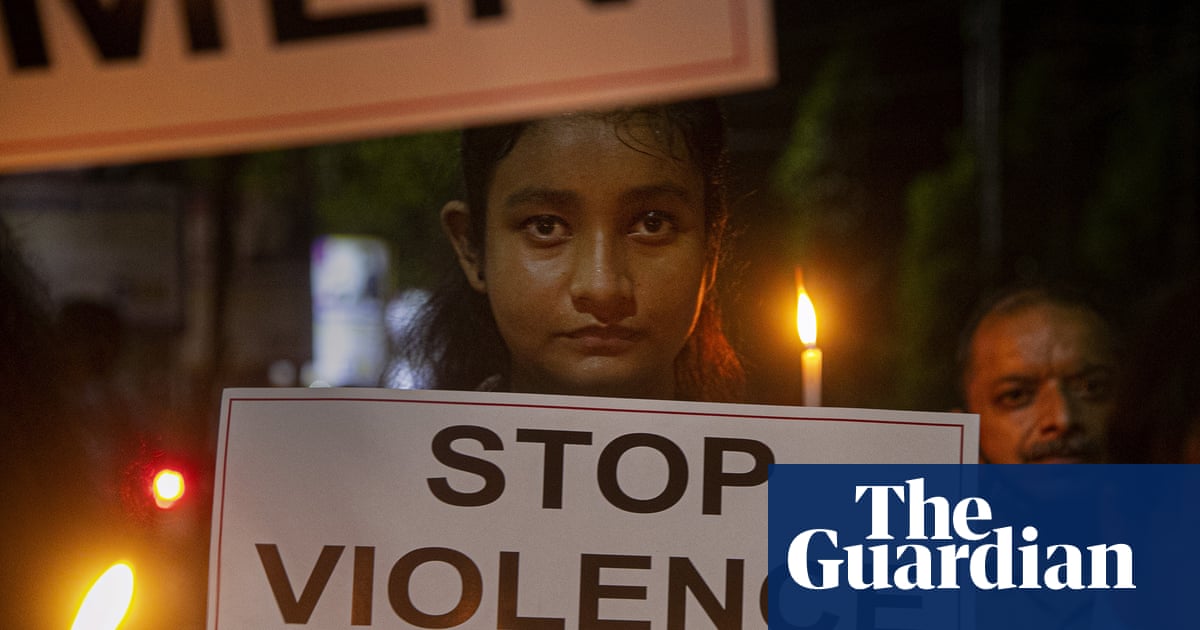
As an Indian woman, I often feel myself oscillating between states of anxiety or anger. The anxiety is about doing the mental maths of how to stay safe – thinking about what I’m wearing, where I am going and how I’ll get there, and so on. The anger is at the sheer absurdity of this, and the stories of of sexual violence and harassment I read about every day.
Last week, two particularly enraging incidents captured national attention. First, a video showing a group of men accused of harassing and molesting two teenagers at night in Bihar’s Jamui went viral. Then, a 17-year-old, out with a friend in Delhi, was allegedly gang-raped in a park by men posing as police.
After, women in Bihar told Outlook how the incident in Jamui triggers greater controls and pressure on them. In Delhi, authorities curbed access to public parks and a premier women’s college, Lady Shri Ram College (LSR), briefly moved classes online. I have noticed this pattern repeatedly: after incidents of sexual violence go viral on social media, the fallout further ensnares women.
We are the ones who get told to avoid certain places, regulate our behaviour, dress modestly or be home earlier, thereby placing the burden of escaping this menace on us. Feminist activist Kavita Krishnan has described this phenomenon as “perhaps the most widespread form of gender-based violence in India”. Instead of figuring out why sexual violence remains entrenched in our society, how patriarchal agency perpetuates such violence or what kind of social conditioning is needed for men, women are instead expected to take up less public space. (It is another matter that women might not be safe even inside their own homes.) Regulating women is easy because “it does not require any institutional cost and, most of all, it sends the signal to concerned parents that the problem is being handled”, says Meena Kandasamy, a feminist author, whose latest novel, Fieldwork As a Sex Object, is about a woman’s life being upturned when a deepfake video using her face goes viral.
It begins at home, under the guise of protection, with arbitrary curfews or dress codes. It gets reinforced at a community level with institutions and social groups through moral policing, victim-blaming and the expectation that women should not put themselves in “unsafe” situations. Then there is the response of the state.
Restricting access to parks after sunset can surely reduce the number of people in those places, but it doesn’t address why women are unsafe there. Harassment and sexual violence are, unfortunately, not tied to timings or daylight. And further restricting women’s lives is not the solution to injustices foisted on them.
Extract — continue reading at the source.