Across Europe this scorching summer, workers have struggled in the heat as wildfires raged and critical infrastructure was shut down. Here we look at the impact of the heatwaves on several major economies across mainland Europe – with the help of analysis from economists at the Dutch bank Triodos, who estimate a total of €180bn could be wiped off EU GDP by the heatwaves. In the UK, the green thinktank Verdant said this week that the heat had already cost the economy £4.4bn by the end of July.
Research shows productivity tends to decline once temperatures breach 30C. Analysts at Triodos assessed the hit to each country on the basis of factors including how many unusually hot days it has suffered, giving a broad-brush estimate – but each economy also faces its own particular struggles. As well as widespread wildfires, one of the big challenges for the French economy has come via lost energy output, with knock-on effects for businesses through higher prices.
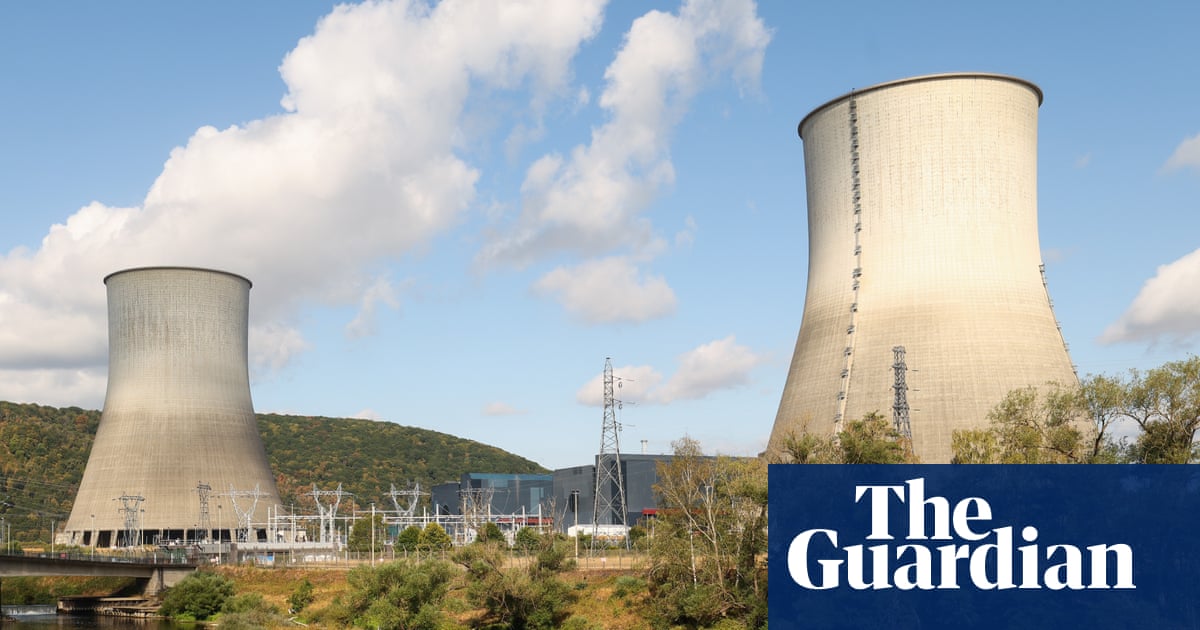
More than two-thirds of France’s electricity generation comes from nuclear. When river temperatures around these nuclear plants get too high, the facilities can no longer discharge heat into them – and have no choice but to shut down. On Friday, with temperatures soaring once again, up to 15% of the country’s nuclear estate was expected to be offline.
Economists at Triodos believe France could be one of the worst hit European economies, with 1.4 percentage points knocked off GDP – pushing the economy into reverse. That is only likely to exacerbate the country’s continuing fiscal challenges, with Paris already paying the highest interest rate in 15 years on its borrowing amid political wrangling over tax and spending. Low water levels in the Danube and Rhine rivers have exposed a slew of long-forgotten artefacts from their depths this summer, including the skeletons of Nazi soldiers and an unexploded second world war bomb.
But the Rhine is also a critical freight route – and economists at the consultancy Oxford Economics reckon this is the greatest threat to the German economy unleashed by the heatwaves. At its shallowest point, near the town of Kaub, west of Frankfurt, water levels have fallen well below critical levels, forcing barges to lighten their loads, and ship traffic all but halted. Wolfgang Grosse Entrup, the head of the German chemical industry association VCI, told this week that “alarm bells are ringing loudly: the extremely low water levels are increasingly pushing logistics and supply chains to their limits.” These fresh pressures come as many German industrial sectors are already struggling against cut-price competition from China.
Nevertheless, judged on the number of hot days it has suffered, as well as other factors including air conditioning penetration, Triodos economists expect the aggregate impact on GDP in Germany to be smaller than in France, at less than a percentage point. Spain has been worst hit by this year’s devastating wildfires, which could affect insurers, with almost 275,000 hectares damaged, according to the EU’s Copernicus monitoring system. Perhaps surprisingly, Oxford Economics finds that while the human toll is appalling, the economic hit is likely to be relatively minor, with tourism spending redirected elsewhere.
Extract — continue reading at the source.