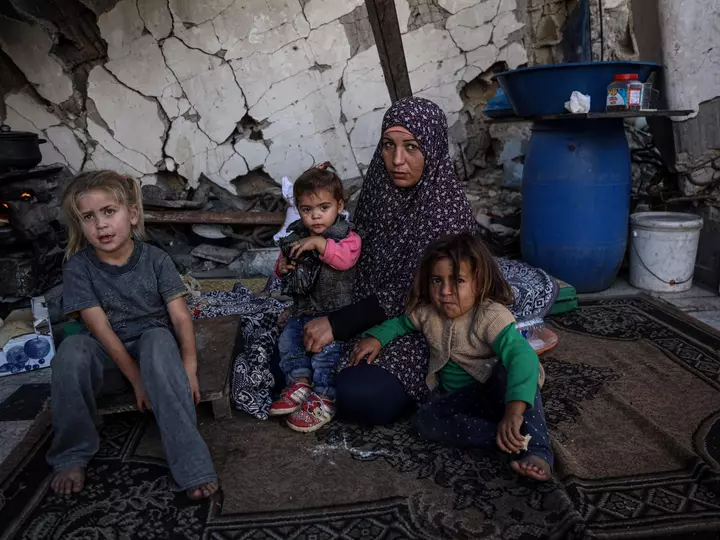
Gaza City, Gaza Strip – It has been months since Huda Abu Leila had to resort to serving only tea and bread to her five daughters for breakfast. But this week, that’s what the 30-year-old has had to do, after Israel restricted the entry of goods into Gaza earlier this month. After living through three years of Israel’s genocidal war on Gaza, and the accompanying blockade that often leaves markets partly empty and goods unaffordable, Huda is used to struggling to provide her children – aged between 18 months and 10 years – with a balanced and nutritious diet.
But the current situation, with shortages of commercial goods, rising food prices, and cuts to humanitarian assistance, has made it ever harder for her to put enough food on the table. We couldn’t find eggs or milk, and we don’t have the money to stock up on food,” Huda said. She lives with her daughters in a tent in western Gaza City.
Her husband was injured during the war and can no longer work, while she earns a little money by baking bread for other people. Some days, the family eats canned beans with duqqa – a local spice blend – or za’atar. On days when food is not as readily available, like this week, they dip bread in tea.
What worries her most is how the worsening situation will affect her children’s health, particularly as she is already struggling to provide them with enough nutritious food. Israel halted commercial shipments into Gaza on October 14, disrupting supplies of food and other essential goods as families already struggling with high prices faced further shortages. The suspension came amid a dispute over a demand for merchants to pay 10,000 shekels ($3,225) per truck to bring goods into the enclave.
On October 19, Israel announced that commercial shipments would gradually resume. The Israeli military body responsible for coordinating aid and commercial access to Gaza, COGAT, said merchants had reported that Hamas had withdrawn the demand. Hamas described the payment as a voluntary contribution to a fund supporting people affected by the war.
The disruption comes as humanitarian assistance is also reduced. On October 19, the United Nations World Food Programme (WFP) announced that funding shortages had forced it to cut food assistance in Gaza. The programme reduced the number of people it supports from 1.6 million in September to 1.1 million in October.
Extract — continue reading at the source.