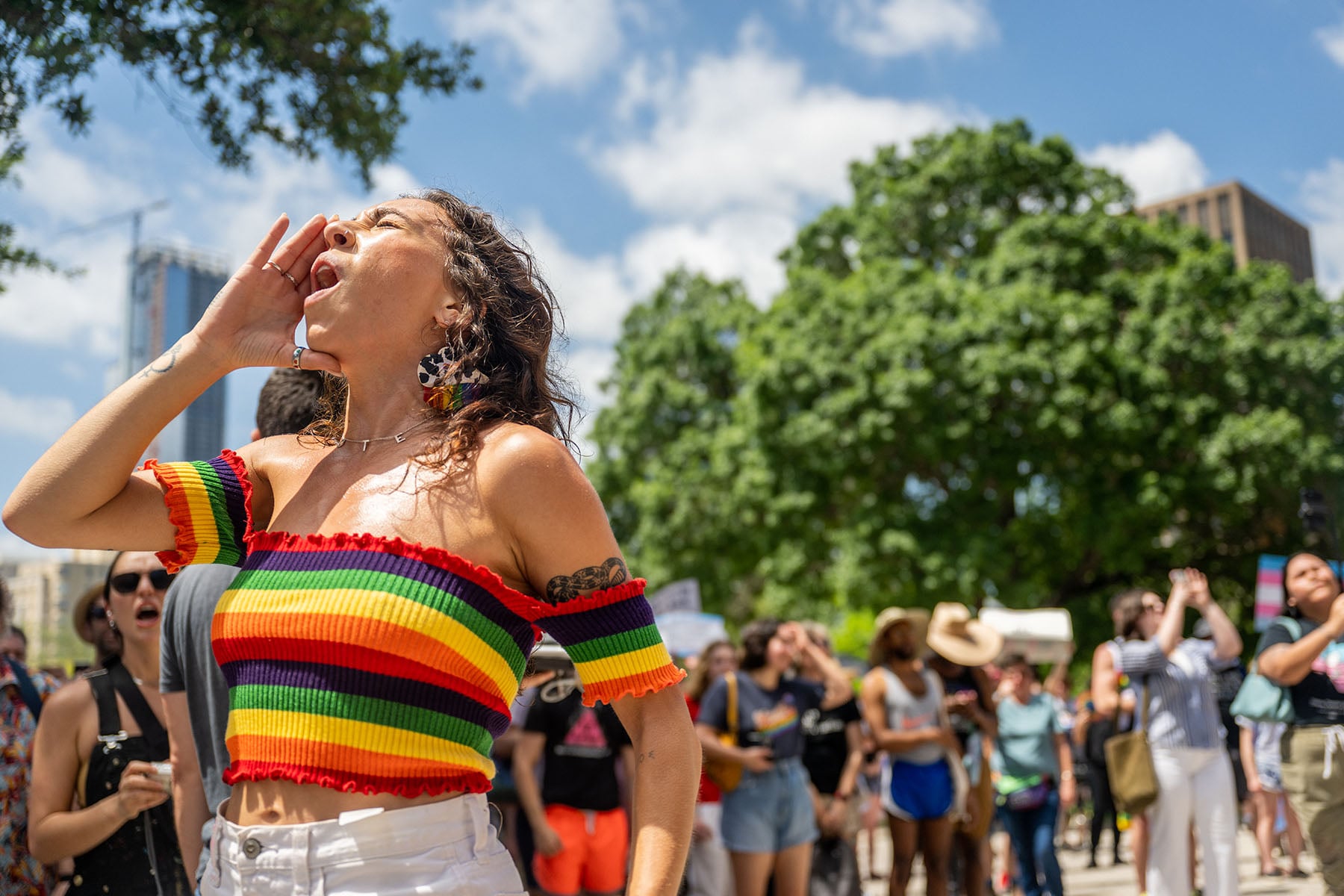
This series is a collaboration between States Newsroom and The 19th. Nearly 50 million voters ages 18 to 29 are eligible to cast ballots in November, making Generation Z a prized cohort of the electorate. While every generation has a gender gap, with women more likely to support Democrats and men more likely to support Republicans, Gen Z’s has been formed by unique forces: rising prices, a landscape reshaped by President Donald Trump, and, especially for Gen Z women, the end of a federal right to abortion.
Elected officials, voting rights groups and campaign strategists say Gen Z could make the difference in races that could determine the balance of power in Congress and the outcome of ballot initiatives on topics including abortion access and voter ID requirements. States Newsroom and The 19th are examining how Gen Z views candidates and policies, the messages they’re receiving and their role in the midterm elections. The youngest voters have been shaped by an end to a federal right to abortion, the #MeToo movement and social media algorithms, a new 19th/YouGov poll shows.
Young women stand out for their progressive views, but few in the generation are embracing the two-party system. Affordability is the top issue for Gen Z women. But few candidates are appealing to them with a message strong enough to cut through the noise.
Their experiences in Kansas highlight broader frustrations among members of Gen Z who feel excluded from U.S. politics, even as both Republicans and Democrats court their attention and votes.
Extract — continue reading at the source.


/https://tf-cmsv2-smithsonianmag-media.s3.amazonaws.com/filer_public/a1/be/a1bec4ea-0428-4b24-bd7e-a84a00f9fe79/dsc_4882.jpg)

/https://tf-cmsv2-smithsonianmag-media.s3.amazonaws.com/filer_public/07/62/07625028-14a0-4437-a78e-d2d14b703eec/turner.jpeg)