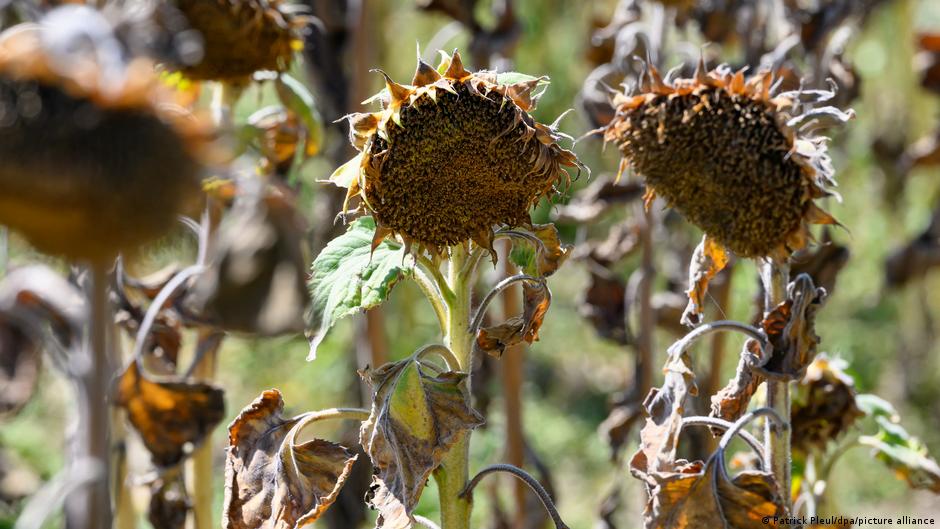
The German Farmers' Association (DBV) on Tuesday warned of a "below-average" harvest due to ongoing drought that has left large areas of farmland severely parched. In a statement, DBV President Joachim Rukwied warned that the country's grain harvest would be 7% lower than last year, blaming an "overly dry spring and a heat wave in the second half of June," which had "significantly damaged many crops." Overall grain production was expected to be 41.9 million tons this year, DBV said, a shortfall of some 3.3 million tons compared with 2025. Rapeseed saw the largest fall, with 3.3 million tons harvested, nearly 17% lower than last year.
While barley remained at last year's level despite a lower yield, as more land was used to grow the crop. The potato crop was also expected to be below average and some regions would see a "significantly worse" harvest for sugar beet, DBV said. Rukwied noted how location played a bigger role in determining crop yields this year than usual and pointed to poor crop yields and even crop failures, particularly in southern and western Germany.
To view this video please enable JavaScript, and consider upgrading to a web browser that supports HTML5 video Separately, Germany's Federal Statistical Office warned that the country's apple harvest was forecast to drop 18% compared with last year. Germany is experiencing a severe drought during a summer of frequent record-breaking temperatures, which exacerbated the effects of below-average rainfall since March, according to the German Weather Service (DWD). Agriculture Minister Alois Rainer said Tuesday that the government doesn't predict sudden or sharp price increases in food as a result of the lower harvest.
"I don't expect prices to rise immediately because food prices also depend on many other factors — the supply chain, transportation and production," he told public broadcaster ZDF. The German Raiffeisen Association, which represents 1,600 agricultural cooperatives, also said last week a large hike in prices was unlikely. However, the large falls in rapeseed and sugar beet production could reduce domestic supply of oil and sugar, requiring imports to make up the shortfall.
Local media reported last week that the drought was also causing animal feed stocks to fall drastically in several states, particularly in southern Germany. The German Farmers' Association has previously warned that lower grain yields and weaker grassland growth could push up feed, meat, milk and egg prices. In the hardest-hit areas of the country, potatoes and other vegetables could become more expensive as supply tightens.
For most shoppers, however, the main impact is more likely to be gradual price increases rather than shortages. Farming, both at home and globally, has faced repeated pressures since the COVID-19 pandemic. German food prices have risen by over 36% since 2020, according to government data published last month.
Extract — continue reading at the source.