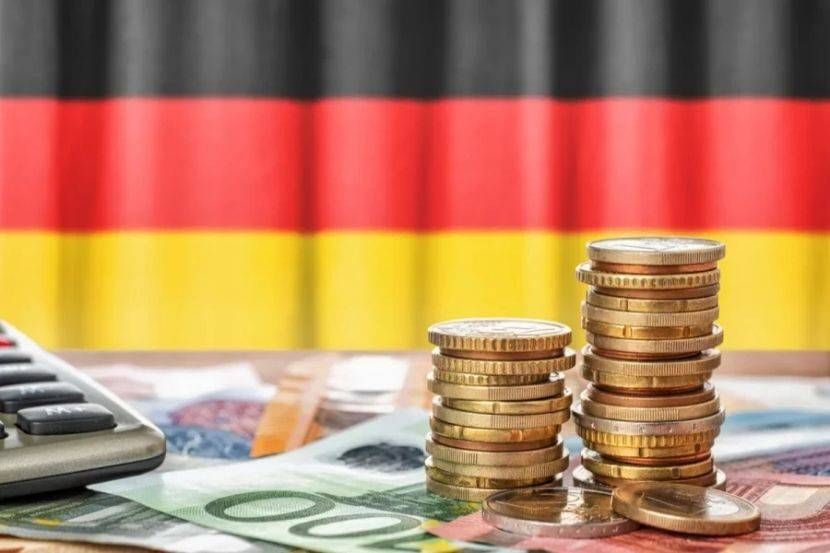
Germany’s overall public-sector budget deficit, covering the federal government, federal states, municipalities and social security funds, reached €98.8 billion in the first half of 2026. The deficit was €40.3 billion higher than in the same period last year. According to Germany’s Federal Statistical Office (Destatis), public-sector revenue rose by 2% year-on-year to €1.0118 trillion between January and June, while expenditure increased by 6% to €1.1106 trillion.
The largest deficit was recorded at the federal level, at €72.3 billion. Federal government expenditure rose by 9.8% to €325.5 billion, while revenue declined by 5% to €253.1 billion. Municipalities recorded a budget deficit of €20.1 billion, the highest figure for the first half of a year since the reunification of East and West Germany in 1990.
The government’s interest payments also increased significantly, rising 21.2% year-on-year to €31.2 billion. The report attributed the continued high level of the budget deficit to economic stagnation, as well as increased investment and defense spending. Here we are to serve you with news right now.
It does not cost much, but worth your attention. Choose to support open, independent, quality journalism and subscribe on a monthly basis. By subscribing to our online newspaper, you can have full digital access to all news, analysis, and much more.
You can also follow AzerNEWS on Twitter @AzerNewsAz or Facebook @AzerNewsNewspaper
Extract — continue reading at the source.