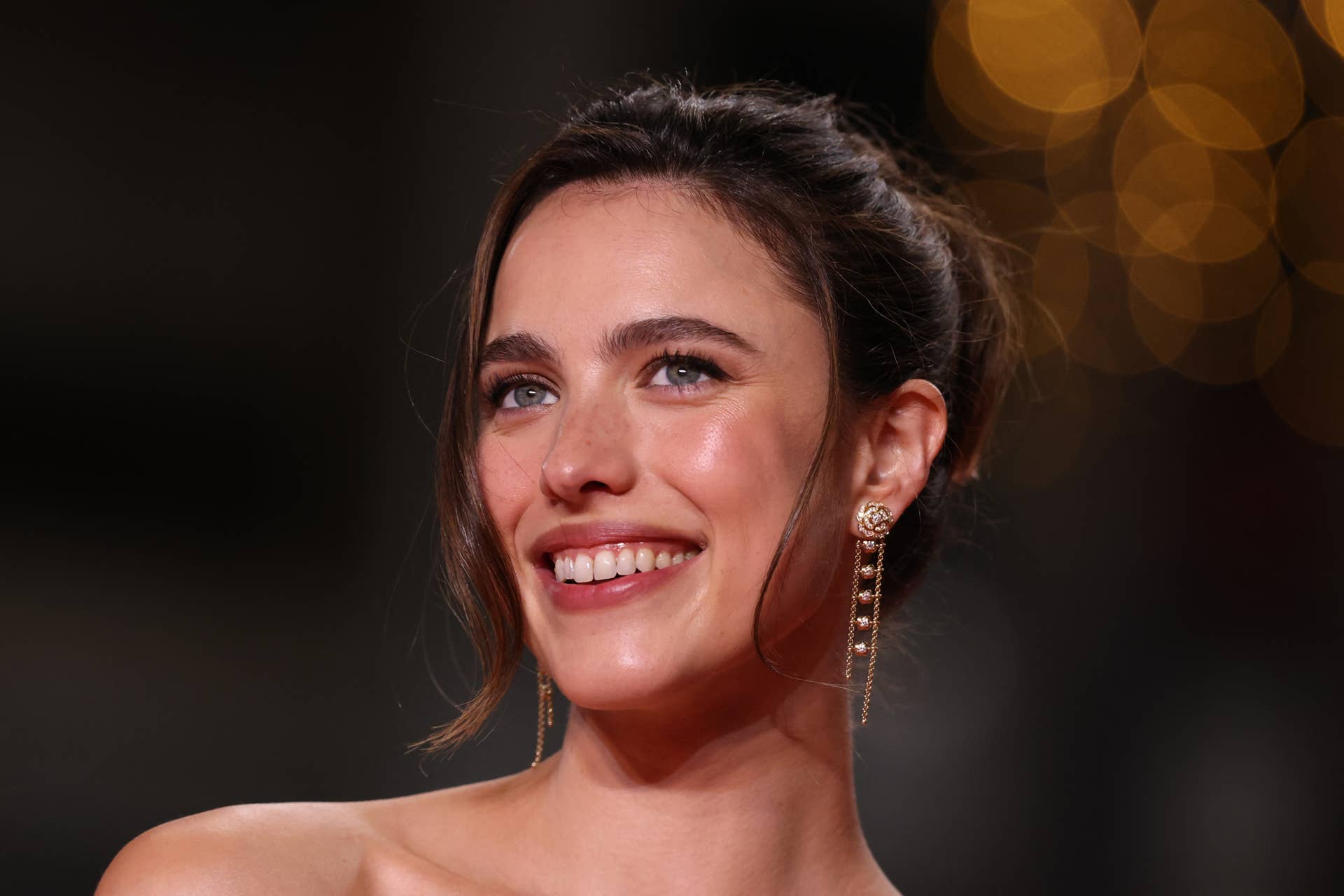
Wilson stars as a coach to a crew of singing misfits whose harmony as an ensemble is the movie’s greatest asset. Toward the end of Rebel Wilson’s “Girl Group,” a fizzy, gaudy clone of “Pitch Perfect” sculpted from the mentor formula of “Bad News Bears,” the movie spirals into an interminable sequence of pop music performances. The song-and-dance numbers are so awkwardly endless that they call to mind the denouement of a very different pop spectacle: Brady Corbet’s “Vox Lux,” in which Natalie Portman’s megastar becomes a tragic emblem of the emptiness of the celebrity industrial complex.
A comedy whiz who became famous for playing — as she wrote in her memoir — “the fat funny girl,” Wilson has little on her mind here beyond sparkly merriment, and “Girl Group” is an accordingly flamboyant extravaganza designed to have audiences humming and nodding along without thinking a single thought. There are occasions that call for this sort of broadly comforting trifle, on airplanes or in late-night popcorn sessions. It’s instead at ease as a second-stringer, a congenial romp that exists only as it unspools before you, then dissipates like stage fog the moment it’s over.
The story opens in 1997, as five friends at a London girls’ school prepare to perform in their auditorium. Backstage, a member of the crew frets to her teacher (a brief but keen Sally Hawkins) about the pressure, before the pals — who perform under the name Gurlfriends — head onstage and bring the house down. The overture gives way to a whirlwind montage of the group’s ascent, culminating with a member named Tassie (played in the present day by Wilson) ditching the gang to try and make it as a solo act.
The effort fails, and Tassie sinks into an alcoholic stupor from which she emerges, years later, to find that she’s been replaced for the reunion tour by a warbling prima donna. This is where the real story starts, and where Wilson might have been better off centering the movie all along. Sentenced to community service at a youth center, Tassie meets a group of Gen Z-ers whom she’s assigned to mentor ahead of an upcoming competition.
The washed-up star sees their talent as a chance to rehabilitate her own image, but the peppy, ambitious teens have aspirations of their own, and as Tassie sets about molding them into a glossy vision of millennial pop stardom, her narcissism increasingly becomes a liability to their success. There are feeble gestures at a generational divide over female sexuality and pop-star image, as when one of the younger crew exclaims that Gurlfriends were “totally playing into the male gaze.” But such moments are so few and far between that it feels as if Wilson forgot about the theme halfway through, or, more likely, found it too thorny to properly unpack. Fair enough: prickly questions about how famous women can or should display themselves are unlikely to be settled by a broad comedy more interested in cramming in mile-a-minute jokes.
Much of the film’s humor consists of bawdy clowning, with a handful of contemporary reference-laden jokes thrown in for good measure. And despite Wilson’s frank discussions of weight and weight loss in her memoir, there’s a curious abundance of size-related gags. At one point, a child accuses Tassie of looking like she “ate” Sabrina Carpenter.
Extract — continue reading at the source.