Glioblastoma is among the most lethal forms of brain cancer, and scientists have uncovered a surprising factor that may help its cells become more invasive. The fluid surrounding the outer edges of these tumors is much thicker than the fluid near their centers, forcing cancer cells to encounter increasing resistance as they move into healthy brain tissue. Rather than simply slowing their movement, however, this environment appears to help the cells adapt in ways that make invasion easier.
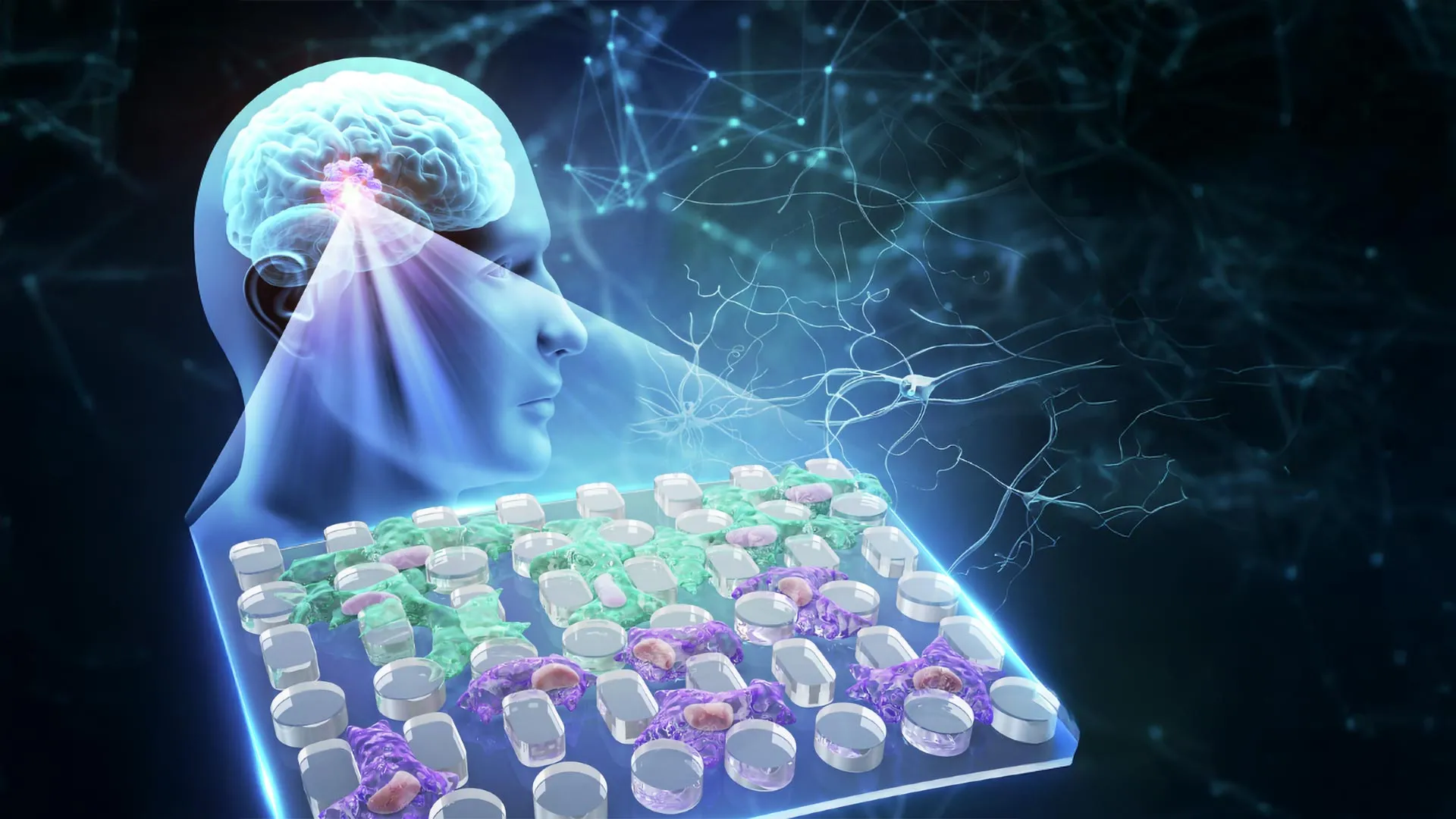
To investigate this unexpected behavior, researchers created an innovative microfluidic chip that recreates the physical conditions encountered by glioblastoma cells. They found that spending extended periods in thick fluid caused the cells to become smaller, more flexible, and better able to squeeze through narrow openings. The discovery suggests that fluid viscosity does more than obstruct cancer cells.
It can actively influence their behavior and potentially make them more aggressive. How Thick Fluid Influences Brain Cancer Invasion Cancer research has traditionally concentrated on chemical signals and the stiffness of the tissues surrounding tumors. Far less attention has been given to the viscosity of the fluid through which cancer cells travel.
In glioblastoma, this difference is particularly striking. Fluid at the tumor's advancing edge is approximately eight times more viscous than fluid in its dead tissue at the center. As cancer cells move outward, they must push through an increasingly resistant environment.
Studying this process has been difficult because conventional closed microfluidic devices cannot accurately reproduce these conditions. Their enclosed channels can limit access to oxygen and nutrients, while friction against the walls introduces additional forces that influence cell behavior. These limitations also make it challenging to observe how cancer cells respond to prolonged exposure to viscous fluid.
Researchers therefore needed a way to isolate the effects of fluid viscosity from other mechanical influences and determine whether extended exposure produces lasting changes in glioblastoma cells. A New Device Reveals How Cancer Cells Adapt Scientists from Chongqing General Hospital and Chongqing University in China developed a specialized open microfluidic platform to address these challenges. Their findings were published in Microsystems & Nanoengineering.
Extract — continue reading at the source.


