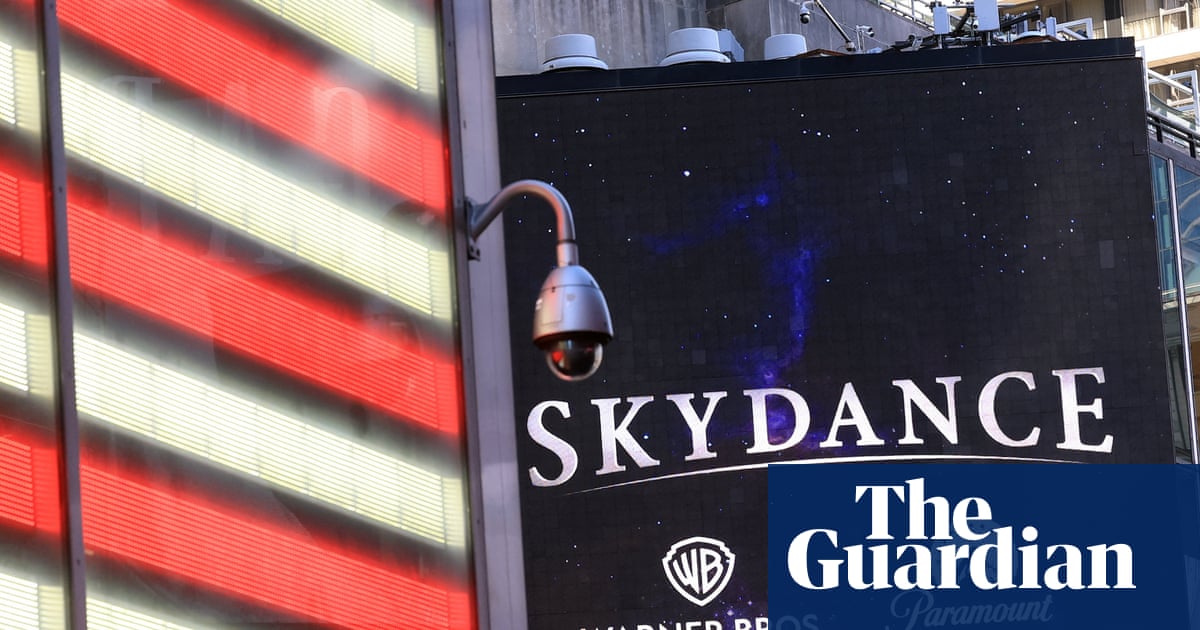
Following a twist-filled saga that saw century-old studio Warner Bros nearly acquired by streaming giant Netflix, only to be outbid by Paramount owners Skydance, the company led by billionaire scion David Ellison, then faced with legal opposition that ultimately crumbled, Warner Bros and Paramount are officially under the same corporate roof. They’re divisions of Skydance, which joins Sony, Disney and Universal as the remaining major-studio players in Hollywood. The merger goes beyond film production.
Eventually, the streaming services HBO Max and Paramount+ will merge into a single entity, though a timeline has not been disclosed. The television channels HBO, Showtime, CBS, MTV, Comedy Central, Cartoon Network, Nickelodeon, TNT, TBS and CNN are among many now owned by a single corporation. The presence of CNN on that list has brought particular scrutiny, given the post-Skydance meddling with the once-respected CBS News, resulting in a rocky stewardship from Bari Weiss, who has overseen a dip in both ratings and prestige for the flagship program 60 Minutes.
Weiss isn’t expected to add CNN to her purview; current chair Mark Thompson will remain in place for now, and Skydance has insisted that CNN will remain editorially independent. But given Ellison’s chumminess with Donald Trump, who has long ranted incoherently about CNN’s supposed biases, the presence of an oversight board with Ellison appointees has been cold comfort. That oversight board is one of a few concessions for a group of state attorneys general dropping their lawsuit attempting to block the merger.
Many of these points amount to maintaining business as usual for certain elements of the companies: negotiations for pay TV rights and channel fees charged to cable companies, for example, will have to be negotiated separately, as if Warner and Paramount haven’t merged. And one of Hollywood’s great fears about the merger, unaddressed by the agreement – the inevitable layoffs that come with consolidation – may not make much immediate difference in casual media consumers’ lives (though the people actually working in the entertainment industry will feel plenty of impact, direct and indirect, none of it good). So what will be most noticeable from the consumer’s vantage, in the coming months and years?
In terms of their wallets, streaming prices will jump again, though that’s less a change than an acceleration of current conditions. Paramount+ is one of the cheaper streaming services at the moment, but HBO Max is one of the pricier options; it’s hard to imagine a combined version would fetch much less than $25 a month, and that’s just for starters; it could easily go much higher (though, again, that fusion of services probably won’t be immediate, and will probably look like business as usual in the short term). This might eventually lead to a streaming landscape less dependent on viewers buying a seemingly infinite number of $20 monthly subscriptions.
But consolidation isn’t exactly great for competition, either. The bigger creative changes will eventually be seen on the movie side of the business. Skydance already nixed Warner movie studio co-chairs Pam Abdy and Mike De Luca, who noted upon their departure, with a hint of snark, that they’re leaving the studio with 39 movies – meaning that any real successes from Warner in the next few years will be owed to their development slate, not whoever at Skydance claims credit.
Extract — continue reading at the source.