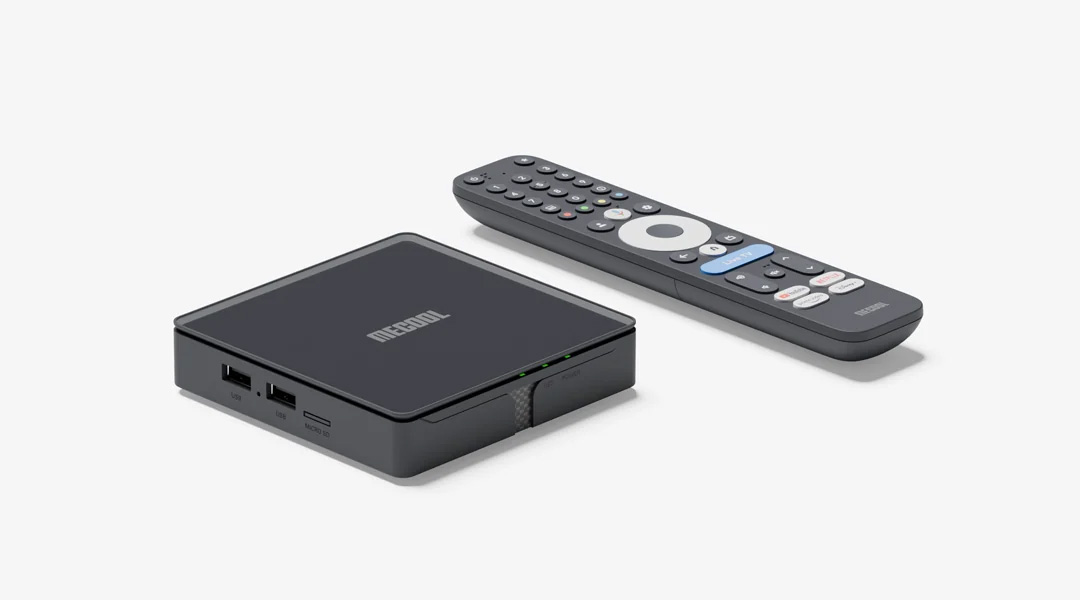
Google’s Threat Intelligence Group says it has shut down a massive botnet called x.cpe. At its height, x.cpe ran on more than 1.3 million Android TV devices, and unusually, these were Google-certified boxes. Google says its screening process missed the malware due to “obfuscation techniques” employed by Shenzhen-based Videostrong Technology.
In a detailed blog post, the Threat Intelligence Group explains how the x.cpe botnet evolved quickly from a single-stage dropper into a modular three-stage malware platform that sold access to third parties. Manufacturers must have their devices certified if they want access to Google apps and branding, a process that is supposed to catch threats like this. However, Videostrong’s compromised boxes, mostly sold under the MECOOL brand, evaded detection by using a backdoor to remotely install the malware after the devices were set up and online.
After devices appeared online, a stub application called x.cpe or com.oemservice would phone home. This package did not have any malicious capabilities of its own, but it had the system-level permissions necessary to install malware modules at the operator’s behest. It also disabled Play Protect, which would have otherwise flagged the silently installed packages as malicious.
Google found most of the boxes were running residential proxies for routing large volumes of nefarious traffic or modules that engaged in ad fraud schemes. Selling access to this botnet was probably a big business. Videostrong also had full access to the devices, allowing operators to run terminal commands, capture the screen, and probe other devices on the local network.
Google reportedly observed Videostrong doing this in real time.
Extract — continue reading at the source.