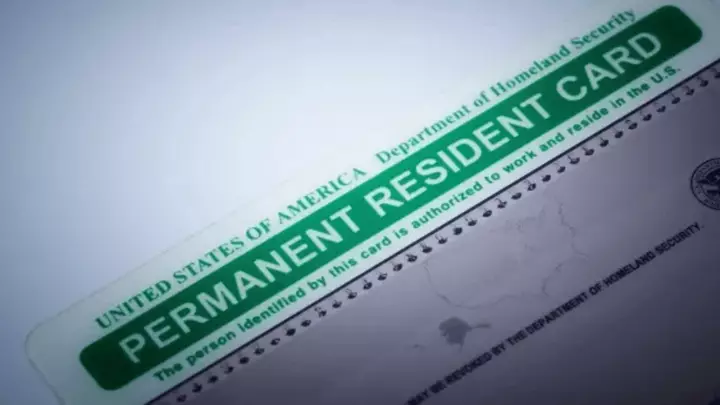
A lawful permanent resident has sued the Trump administration over delays to his U.S. citizenship application, saying it is “gathering dust on an office shelf” and that he is likely to wait “an eternity” unless a federal court intervenes. Meng Ju Liu, also known as Michael Liu, filed the lawsuit in the U.S. District Court for the Southern District of Ohio on October 15, seeking to compel federal officials to complete the processing of his naturalization application.
Liu, a Taiwanese national who lives in Ohio, has been a lawful permanent resident of the United States since 2002, according to the complaint. He applied for naturalization using Form N-400 on April 25, 2025. A USCIS receipt included with the filing confirms the agency received his application that day.
Liu has waited around 18 months for his application to progress and has not been called for a naturalization interview, according to court filings. It alleges that USCIS's published processing time for N-400 applications in Cincinnati was 9.5 months for 80 percent of cases to be completed. Liu argues that federal officials have failed to process his application within a reasonable period and have not provided a reason for the delay.
The lawsuit raises questions about how long federal officials can take to decide a naturalization application before a delay becomes legally unreasonable. Federal law provides a specific remedy for applicants whose citizenship cases remain undecided more than 120 days after their naturalization examination. Under federal law, they may ask a federal district court to intervene.
In June, the Department of Homeland Security (DHS) proposed increasing U.S. naturalization application fees, raising the cost of applying for citizenship by up to 80 percent. Under the proposal, the fee for Form N-400 would rise from $760 to $1,330 for paper applications and from $710 to $1,280 for online filings. The plan would also eliminate the reduced-fee option for eligible lower-income applicants and end fee waivers for naturalization applications and related appeals, while preserving statutory exemptions for qualifying current and former military service members.
DHS said the changes are intended to ensure that applicants cover the full cost of processing their cases. The government has not been required to provide anything further from Liu, according to a USCIS case-status page included as an exhibit. Court filings say that as of May 2, 2026, USCIS was still processing his N-400 and would contact him if additional information was needed.
Extract — continue reading at the source.