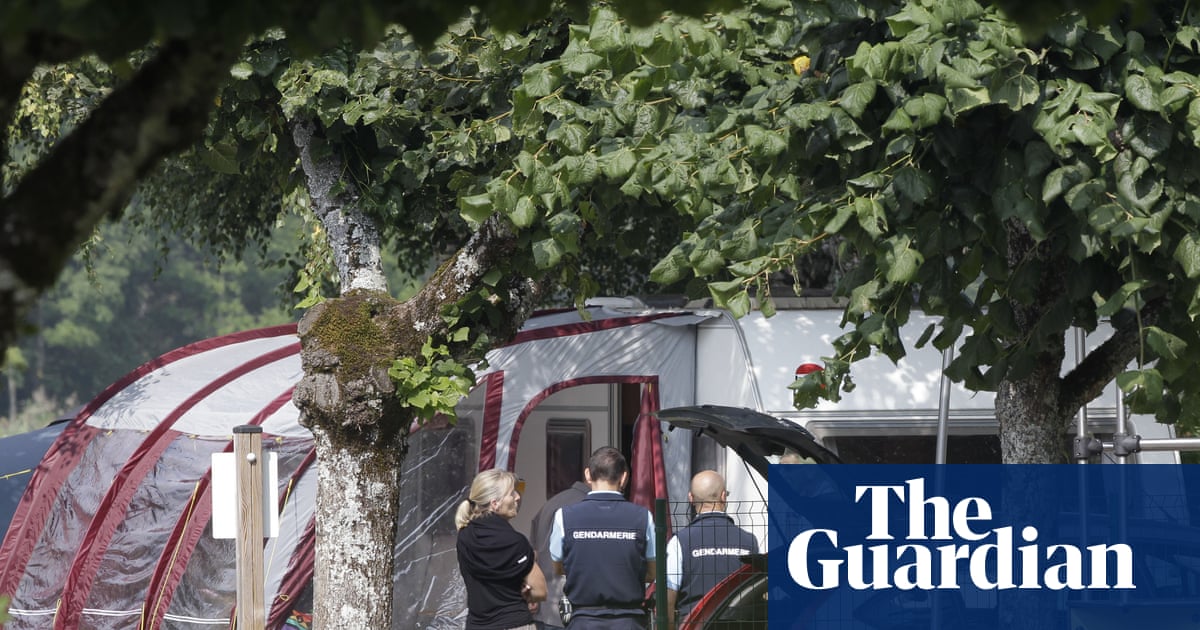
Experts are examining a gun found by tourists to determine whether it might have been used to kill a British family in the French Alps 14 years ago. In what remains an unsolved murder case, Saad al-Hilli, 50, his wife, Ikbal, 47, and her mother, Suhaila al-Allaf, 74, were shot dead on a road near Annecy, a remote Alpine village in eastern France in September 2012. The couple’s two young daughters, then four and seven, survived but a passing cyclist, 45-year-old Sylvain Mollier, was also killed.
The French prosecutor Marie-Céline Lawrysz confirmed that a pistol, thought to be a Luger, was uncovered on 20 August by two tourists swimming in Lake Annecy. The weapon is currently being analysed by ballistics experts in France in connection with the al-Hilli cold case. During the initial investigation, pieces from the butt of the weapon used in the killings, a vintage Luger P06-29 pistol, were found on the ground near the British-registered BMW estate car that the family had been driving at the time of the attack.
The gun was identified as a model used by the Swiss army in the 1930s, but its owner has never been traced. In a statement, Lawrysz said a semi-automatic pistol had been found by the tourists, reported to be British, at a depth of about five feet, a few dozen metres away from the shore of Lake Annecy. She said: “They kept the weapon for 24 hours and conducted online research to identify its type.
The discovery of the pistol is the latest in a long line of leads that investigators have followed in an effort to unravel the mystery that has surrounded the four deaths. Suspects previously arrested in connection with the case include an Iraqi prisoner known as Mr S who was claimed to have said he had been offered “a large sum of money” to kill Iraqis living in the UK. Mr al-Hilli’s brother Zaid was also arrested on suspicion of murder in 2013, but was later told he would face no further action after police found there was insufficient evidence to charge him with a crime.
In 2022, another suspect was questioned but released without charge. Two years ago, DNA analysis was ordered by detectives in France’s cold case unit on clothes belonging to the victims, as well as on the pieces of the gun and cigarette butts found at the scene. No arrests were made following the tests.
Extract — continue reading at the source.