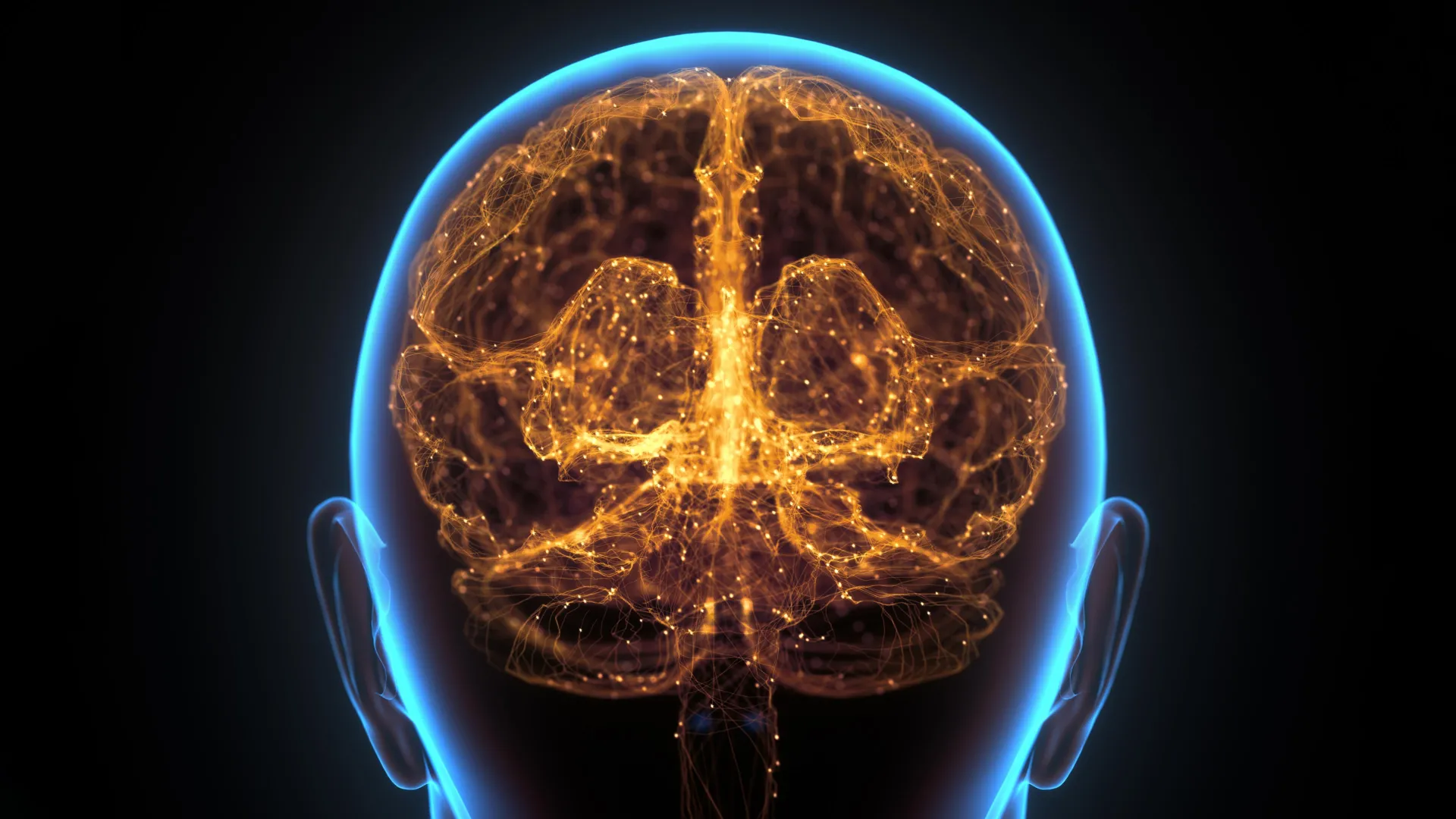
Researchers at Washington University School of Medicine in St. Louis have identified previously unknown lymph node-like immune structures in the skull bone marrow of mice. The findings suggest these nearby immune hubs can respond rapidly to brain cancer, becoming active before more distant lymph nodes even receive signals that something is wrong.
The team also found evidence of similar immune cells in human skull bone marrow, suggesting that this local defense system may not be limited to mice. Scientists once believed that the brain was largely isolated from the immune system. That view has changed dramatically in recent years.
The new findings suggest the brain not only communicates with immune cells, but may also have specialized immune "security stations" positioned unusually close by. Published in Nature, the study is the first to identify immune hubs of this kind inside bone. "This study reveals that the skull bone marrow is far more than just a structural framework -- it harbors previously unrecognized hubs for brain-specific immune responses," said senior author Jonathan Kipnis, PhD, the Alan A. and Edith L.
Wolff Distinguished Professor of Pathology & Immunology and a BJC Investigator at WashU Medicine. "Uncovering this localized immune niche changes how we view neuroimmune interactions and opens exciting new avenues for treating brain tumors and other neurological diseases." Earlier work from Kipnis' laboratory helped overturn the long-standing idea that the brain was separated from the immune system. The group discovered lymphatic vessels in the dura mater, the protective outer layer of tissue surrounding the brain just beneath the skull.
More recently, the researchers found tiny physical channels bridging the skull, dura, and brain tissue. Those channels provide a direct route through which immune cells and cellular waste can travel between the brain and nearby skull bone marrow. In the new mouse study, the scientists followed proteins as they moved out of the brain, through these channels, and into the skull bone marrow.
There, they discovered organized immune structures resembling those normally found in lymph nodes. Lymph nodes serve as important coordination centers for immune activity. Within them, T follicular helper cells support B cells, which can then produce large quantities of antibodies that help the body fight infections and disease.
Extract — continue reading at the source.


