High ventilation breathwork (HVB) can induce altered states of consciousness with phenomenological similarities to those reported following administration of serotonergic psychedelics such as lysergic acid diethylamide (LSD), psilocybin or ayahuasca. Non-pharmacological methods capable of reliably eliciting such states may provide scalable models for investigating therapeutic mechanisms associated with psychedelic experiences while avoiding pharmacological and regulatory constraints. However, the therapeutic relevance and risk–benefit profile of HVB remain insufficiently characterized.
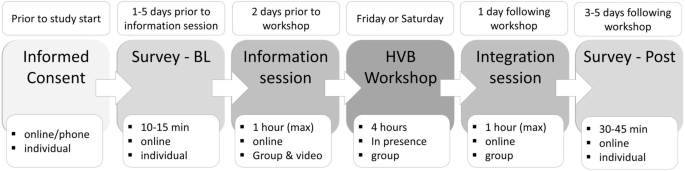
In this exploratory study, 48 mental health professionals participated in an HVB workshop and evaluated perceived therapeutic potential, risks, and potential clinical indications. Participants reported altered states reaching intensity ranges comparable to those described in studies using moderate doses of serotonergic psychedelics. Internalizing disorders were suggested as indications, whereas psychotic, dissociative, and bipolar disorders were identified as contraindications.
T-tests showed that perceived clinical potential of HVB significantly outweighed anticipated risks. Exploratory regression analyses indicated that trait openness and emotional breakthrough predicted perceived potential of HVB. HVB may represent a feasible non-pharmacological psychedelic induction paradigm warranting evaluation in controlled clinical trials.
Recent advances in psychedelic therapy have renewed interest in the therapeutic role of altered states of consciousness1,2. While serotonergic psychedelics such as lysergic acid diethylamide (LSD), psilocybin or ayahuasca reliably induce such states, their clinical implementation remains constrained by regulatory, financial, and safety considerations. An emerging question is therefore whether therapeutically relevant psychedelic-like experiences can be induced through non-pharmacological means.
Behavioral induction methods for altered states of consciousness such as high ventilation breathwork3 (HVB) offer a unique opportunity to experimentally and clinically investigate core therapeutic processes - including emotional breakthrough4, mystical-type experiences5, and experiential insight6 - independently of drug administration. Establishing validated non-pharmacological induction paradigms may complement pharmacological approaches by enabling scalable research models and increasing accessibility of psychedelic-informed interventions. Breathwork comprises a variety of practices that involve intentional manipulation of the breath (e.g., fast, deep cycles or slow-paced breathing) in order to promote relaxation and a sense of physical, mental and emotional well-being7.
The potential of breathwork practices to relieve symptoms of psychological distress is suggested by a long cultural tradition with complex historical roots in Buddhism and psychedelic communities3,8,9. Slow-breathing techniques as treatments for mental disorders have been well researched10. In contrast, HVB practices such as Rebirthing Breathwork, Holotropic Breathwork®, Sudarshan Kriya Yoga (SKY), Wim Hof Method (WHM) and Conscious-Connected Breathing (CCB) shifted into focus of clinical research only recently3,11,12,13,14.
Extract — continue reading at the source.


