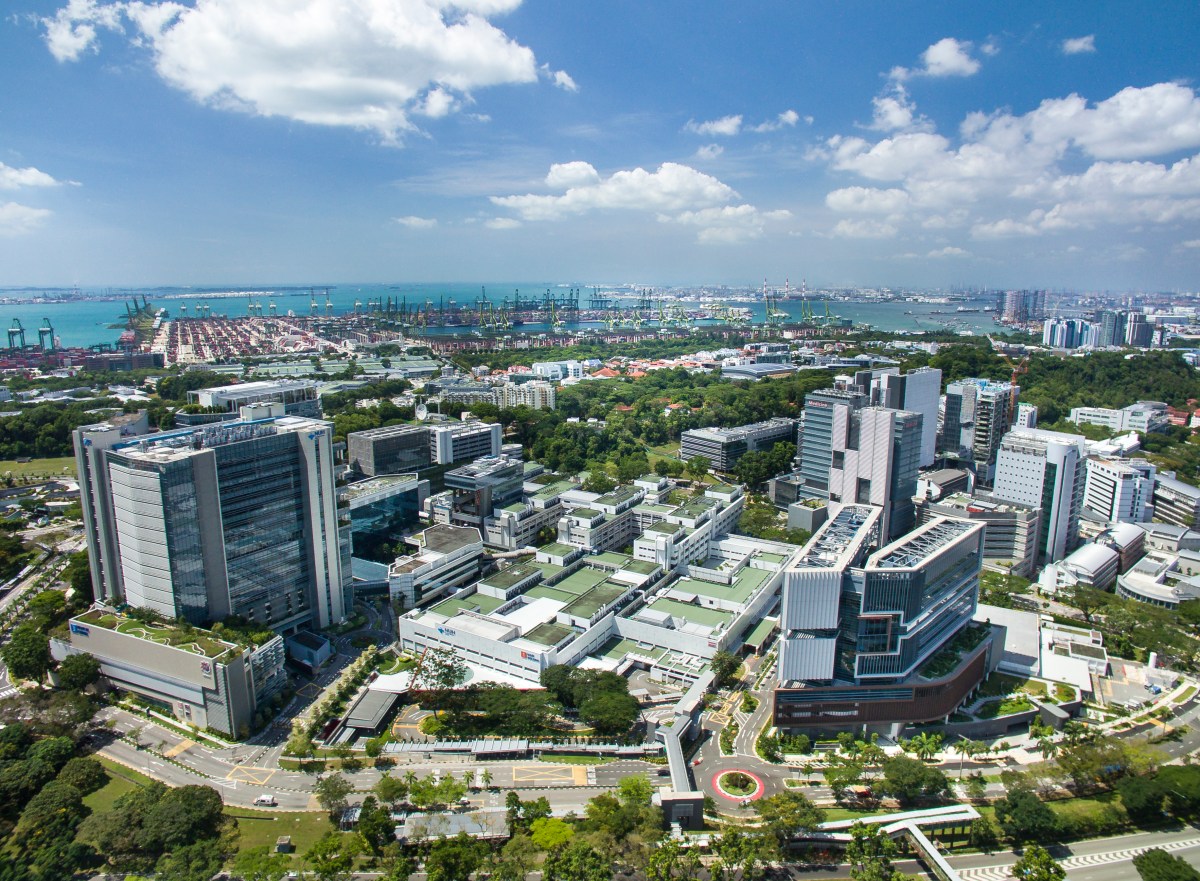
The most expensive mistake a health system can make is also the most common one: building the hospital of the future and staffing it with the workforce of the past. New towers of glass and concrete, designed around assumptions about how care is delivered, will be obsolete before the ribbon is cut. We have all seen this movie.
It does not end well for patients, and it does not end well for the public wallet. As we plan the 2038 redevelopment of the National University Hospital, Singapore (NUH), we have made a deliberate decision: physical infrastructure and workforce transformation will be designed as a single integrated system – not in parallel, not in sequence, but as one. Our redevelopment is not just bricks.
It is a manpower philosophy expressed in steel, glass, and silicon. The case for doing this differently is not aesthetic; it is arithmetic. Singapore, like most advanced economies, is heading into a triple challenge: an ageing population, a shrinking workforce and rising costs.
The traditional response to rising demand has been to expand capacity by building more beds, more clinics and more buildings. But capacity expansion without productivity redesign is, in plain language, irresponsible. It commits future generations of staff to run harder on a treadmill that is already speeding up.
It locks in cost structures that the country cannot afford. And it almost guarantees that the workforce we have already stretched will burn out before the new building is fully operational. So, we are starting in a different place.
Before we draw a single corridor, we are asking what work will look like in 2038. What will a nurse spend her day doing, and what will be done by an AI agent, a robot or a redesigned process? Which clinical decisions will still require a consultant on site, and which can be safely supported by a multidisciplinary team operating at the top of its license?
Extract — continue reading at the source.