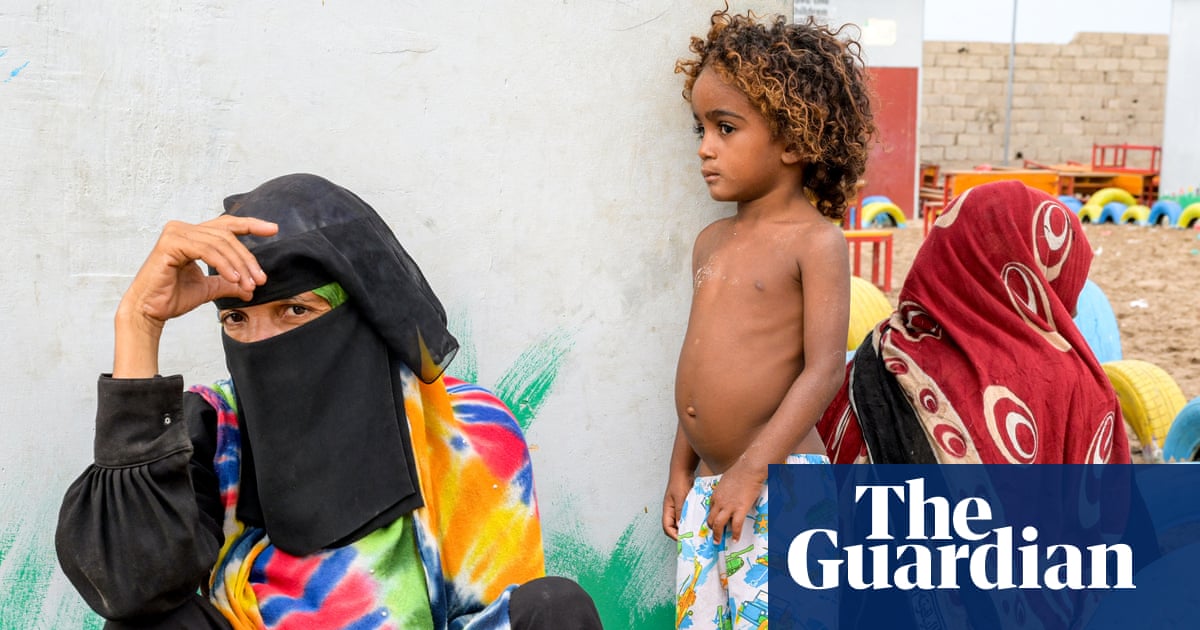
Saudi cities faced the threat of a second day of Houthi attacks as fighting across Yemen led the UN to warn of a humanitarian crisis with 100,000 Yemenis already displaced. As oil prices remained well over $100 (£74) a barrel, Qatar warned of a catastrophe if the Iran-backed Houthi militants won full control of the Bab al-Mandab strait, the narrow waterway at the bottom of the Red Sea dominating the key naval route to Asia. The strait has become vital to Saudi crude oil exports as the wider Middle East war chokes the strait of Hormuz in the Gulf.
An emergency meeting of the UN security council in New York heard repeated calls for Houthi forces to show restraint. In a sign that Iran is still seeking a broader solution, its foreign minister, Abbas Araghchi, travelled to Beijing to discuss China’s possible role in solving the related strait of Hormuz dispute. The future of the strait of Hormuz – through which a fifth of the world’s traded oil and gas transited in peacetime and which the US and Iran are now mounting blockades of – is the diplomatic key to unlocking the conflict between the US and Iran, and to a lesser extent the related conflict between Saudi Arabia and the Houthis.
Oil prices rose sharply after reported that loadings at Saudi Arabia’s Red Sea port of Yanbu had been suspended, citing shipping industry sources. The price of Brent crude, the international benchmark, rose nearly 3% to $108 a barrell. Prices have risen this week after the world’s biggest crude oil exporter, Saudi Aramco, closed its East-West pipeline due to an attack by Yemen’s Iran-aligned Houthis.
Aramco had increased use of the Yanbu terminal since the start of the US-Israel war on Iran in late February. Qatar, acting as a mediator in the Iran war, is still trying to revive a postponed meeting planned for Monday between Iran and most Gulf Cooperation Council countries. The planned talks in Oman were delayed at the insistence of Saudi Arabia in protest at what it regarded as Iranian-inspired Houthis attacks on Saudi cities.
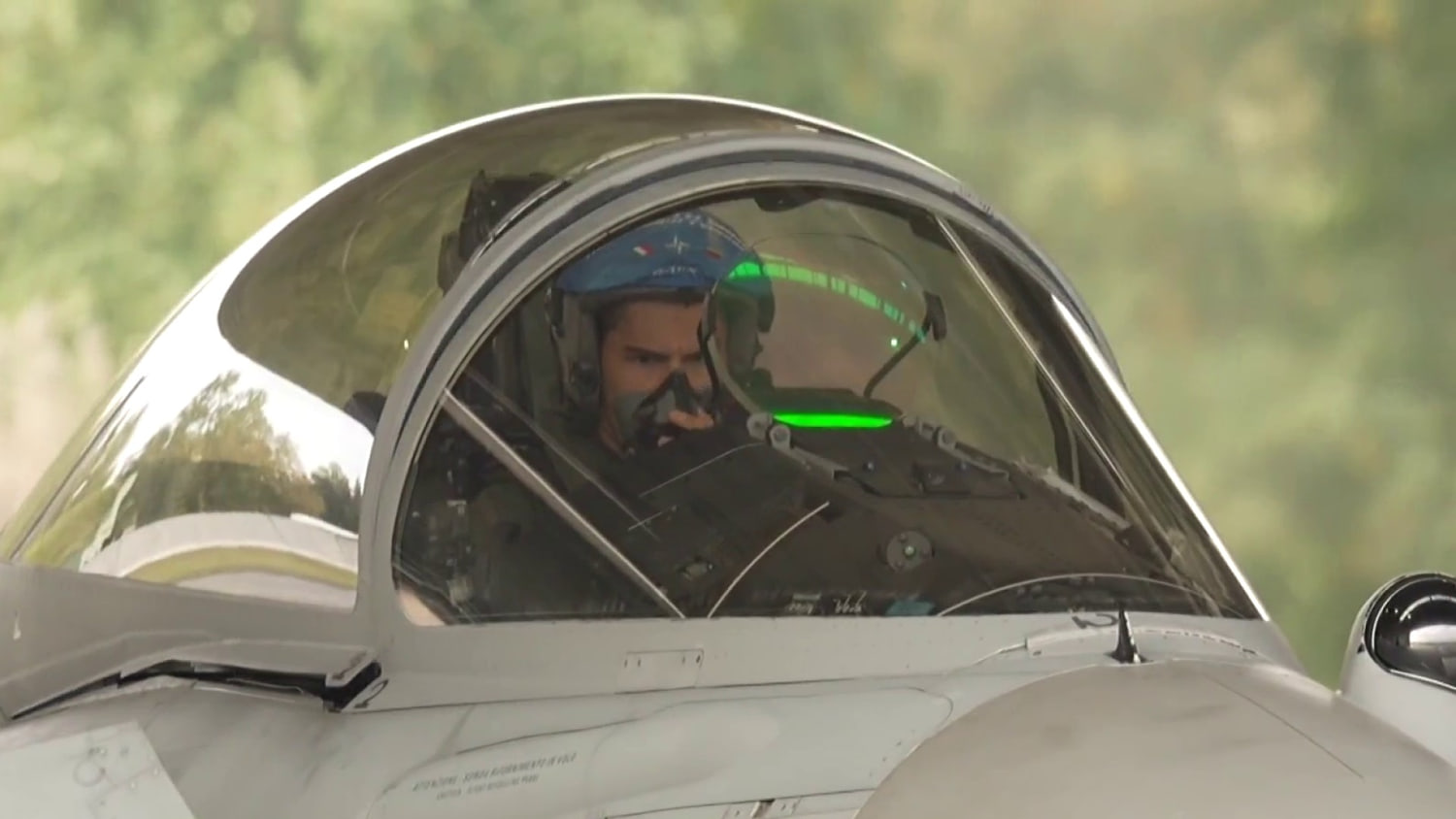
The Houthis had claimed responsibility for a new “large-scale” attack using “dozens of ballistic missiles and drones” against King Khalid airbase in Khamis Mushait, southern Saudi Arabia, on Monday. Air raid sirens were activated in six governorates including Jeddah on Tuesday. The warnings were lifted relatively quickly, but reflect an unprecedented new state of insecurity across Saudi Arabia.
The Oman meeting had been organised with the intention of reaching a regional agreement on an authorised route for commercial shipping through the strait of Hormuz. The US secretary of state, Marco Rubio, spoke with Oman’s foreign minister, Sayyid Badr Albusaidi, on Tuesday amid US concern that Oman will cede excessive control of the waterway to Iran. The prospect of the strait of Hormuz and the Bab al-Mandab strait both being under the long-term control of anti-western forces would be a significant strategic reversal for the US and Europe.
Extract — continue reading at the source.