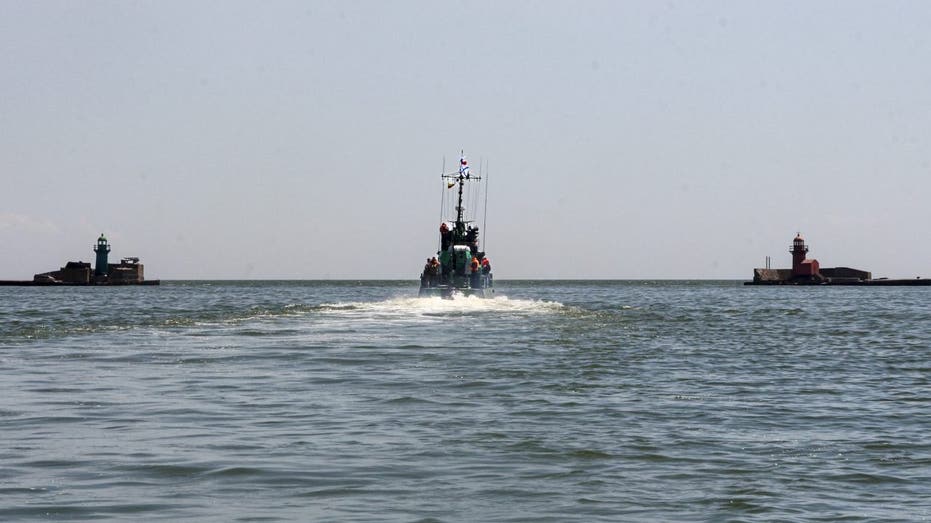
Six months into the United States-Israel war on Iran, the closure of the Strait of Hormuz continues to drive one of the worst maritime shipping disruptions in decades. Traffic through the 33km (21-mile) chokepoint has fallen from more than 100 vessels a day to just five, disrupting the flow of oil, gas and goods worldwide. Al Jazeera visualises how a crisis in one narrow passage has disrupted an industry that carries about 80 percent of the world’s trade.
Almost everything people buy, from the fuel in their cars to the grain in their bread, has likely spent time on board a vessel at sea. About 80 percent of world trade by volume moves by sea at some point, making maritime shipping essential to the global economy, according to UNCTAD, the UN’s trade and development body. Not all ships are created equal.
Different vessels are built for various purposes, from moving oil to the goods we rely on every day. The Strait of Hormuz is a critical chokepoint for global energy trade. It is one of three main gateways in the Middle East, carrying more than one-third of global seaborne crude oil and nearly one-third of liquefied petroleum gas (LPG) flows, along with significant volumes of liquefied natural gas (LNG) and refined petroleum products.
He explained that what makes the Strait of Hormuz different from other chokepoints is “there is no alternative maritime route. There are some pipelines, but there’s no alternative, which is why it’s been so significant in terms of cargo volume.” Ports along the Gulf are where much of the region’s energy begins its journey to the rest of the world. According to UNCTAD data, the week before the Iran war began, average flows of crude oil through the Strait of Hormuz accounted for roughly 38 percent of the global total, LPG was 29 percent and LNG was 19 percent.
Crude exports from the Gulf region have dropped by nearly half (47 percent) compared with before the war, down from about 17 million barrels a day in 2025 to roughly nine million bpd as of August 2026. According to , analysts estimate that five to seven million barrels of Gulf oil a day are currently being disrupted. Direct exports of crude oil moving via the strait have fallen to an average of just 2.2 million bpd, according to Kpler, a data and analytics company that tracks global commodity markets and trade flows.
The chart below shows the combined crude oil shipments from the Gulf’s largest oil-producing countries – Saudi Arabia, Iraq, Iran and Kuwait – dropping sharply since the start of the war from roughly 400 million barrels in February to about 200 million barrels in July. Before the war, about 100 ships passed through the Strait of Hormuz each day, more than half of them tankers, carrying tens of millions of barrels of oil. That collapsed within days of the February 28 US-Israeli strikes on Iran.
Extract — continue reading at the source.