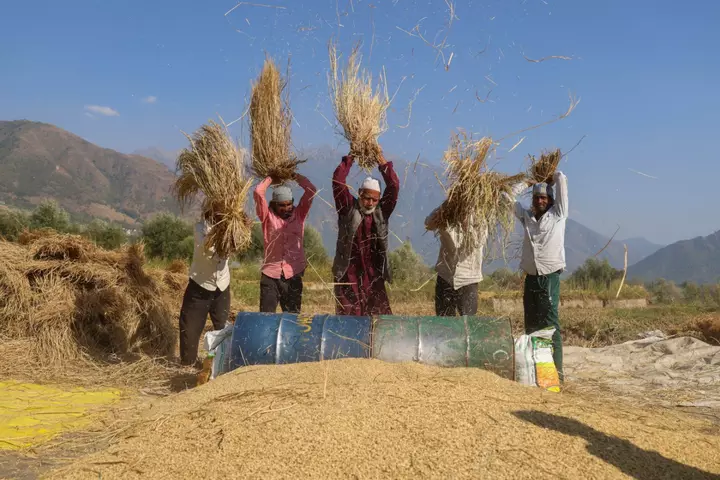
Summer 2026 is likely to be the warmest on record in the UK, with repeated searing heatwaves and a severe drought affecting much of the country. In southern England in particular, the landscape is parched and crispy, rivers and reservoirs are running low, and trees are shedding their leaves in a stress response to the dry weather. Much of Europe is baking under similar conditions.
How much longer can we cope without rain? And how long will it take us to recover from such an unprecedented dry spell? With the help of experts from across water, agriculture and climate, we’ve answered your key questions below.
Almost three-quarters of England is now in drought conditions after the driest July in almost two centuries, when barely any rain fell in many places. The National Drought Group – which includes public bodies, agricultural and environmental organisations – has described the situation as an “exceptionally serious” flash drought, driven by a combination of very high temperatures and exceptionally low rainfall over recent weeks. It is taking a severe toll on the landscape.
Almost 250 wildfires have been reported in biodiversity hotspots this year, wetlands and peatlands are drying out, and trees are dying. Some 22 per cent of rivers are at exceptionally low levels, including the Avon, Wye, Ely Ouse and Exe. Is a broken jet stream causing extreme weather that lasts longer?
The dry, hot weather over July and August has rapidly depleted rivers, reservoirs and underground aquifers, despite the wet winter England just experienced. Reservoir levels in England have fallen to 69 per cent – 11.6 per cent lower than what would be expected for this time of year. Reservoir storage in the country fell 16 per cent in July, the greatest reduction in raw storage for at least 30 years, the UK government said this week.
It is a sign of the impact of climate change, which is expected to bring drier, hotter summers to the UK. This year shows that even a wet winter isn’t enough to carry the UK through an extremely hot, dry summer. This means the water industry is better equipped to deal with drought than it was in 1976, even though the weather has been hotter and drier for a longer period than 50 years ago.
Extract — continue reading at the source.