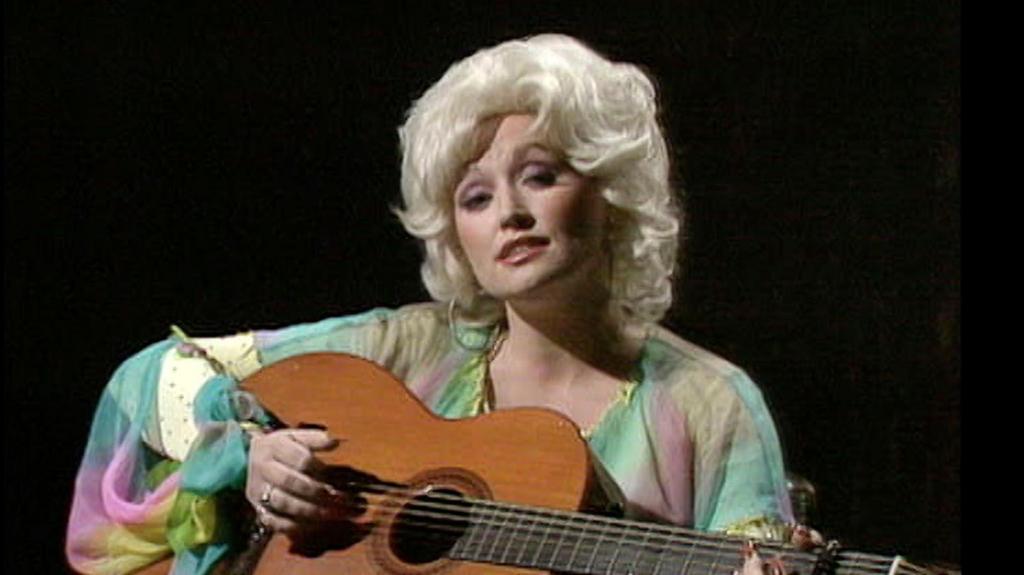
The much-loved US singer-songwriter, actress and philanthropist Dolly Parton, who has died aged 80, was known as the Queen of Country. Raised in Tennessee, she rose to fame in the late 1960s with hits that bridged country and pop music. Her songs covered deeply personal themes around growing up poor, love and loss, as well as female empowerment and spirituality.
Live updates: Dolly Parton, legendary US country singer, dies aged 80 Dolly Parton: The country legend who sang from the heart Following Parton's death, here is a look back at her life through the lens of six iconic songs. Let's start with Dolly Parton's own personal favourite, her 1971 acoustic country-folk ditty, Coat of Many Colors, external. The autobiographical track, taken from the album of the same name, tells the heart-stirring tale of how she grew up poor - as one of 12 siblings - but rich in love.
In her book, Songteller: My Life in Lyrics, Parton described it as a "little story" that covers "a world of things", with teachings about bullying, acceptance, love and good parenting. The lyrics go: "Now I know we had no money, but I was rich as I could be / In my coat of many colors my momma made for me". The song has been covered by the likes of Shania Twain and Eva Cassidy, and Rolling Stone magazine put it in second place in its list of Parton's top 50 songs, external.
"Had it been the only song she'd ever written, the expression of overwhelming pride and crushing anguish... would have secured her indelible legacy," the US magazine wrote in 2023. Coat of Many Colors is also the title of Parton's own children's book, and a 2015 TV movie based on her life - starring Alyvia Alyn Lind as the precocious young singer dreaming of fame. Her mother, Avie Lee Parton, even made her daughter a new patchwork coat to put on display at the museum inside the Dollywood theme park in her home state of Tennessee.
Parton penned many songs about all different aspects of her relationship with her devoted husband Carl Dean, who ran an asphalt paving business in Nashville. This included the fear that she might lose him, specifically to a red-headed bank clerk who had flirted with him early on in their marriage. We all know her by now, of course, as the infamous Jolene, external.
With its fast fingerstyle minor riff, the song was nominated for a Grammy in 1974 and gave Parton her second number one single on the Hot Country Singles chart and her first foray into the main Hot 100 chart (60). It also showed Parton at her most vulnerable, making it all the more relatable. Instead of shedding tears or vowing revenge, we hear the protagonist in the song begging the mistress who holds the power to relinquish it.
Extract — continue reading at the source.