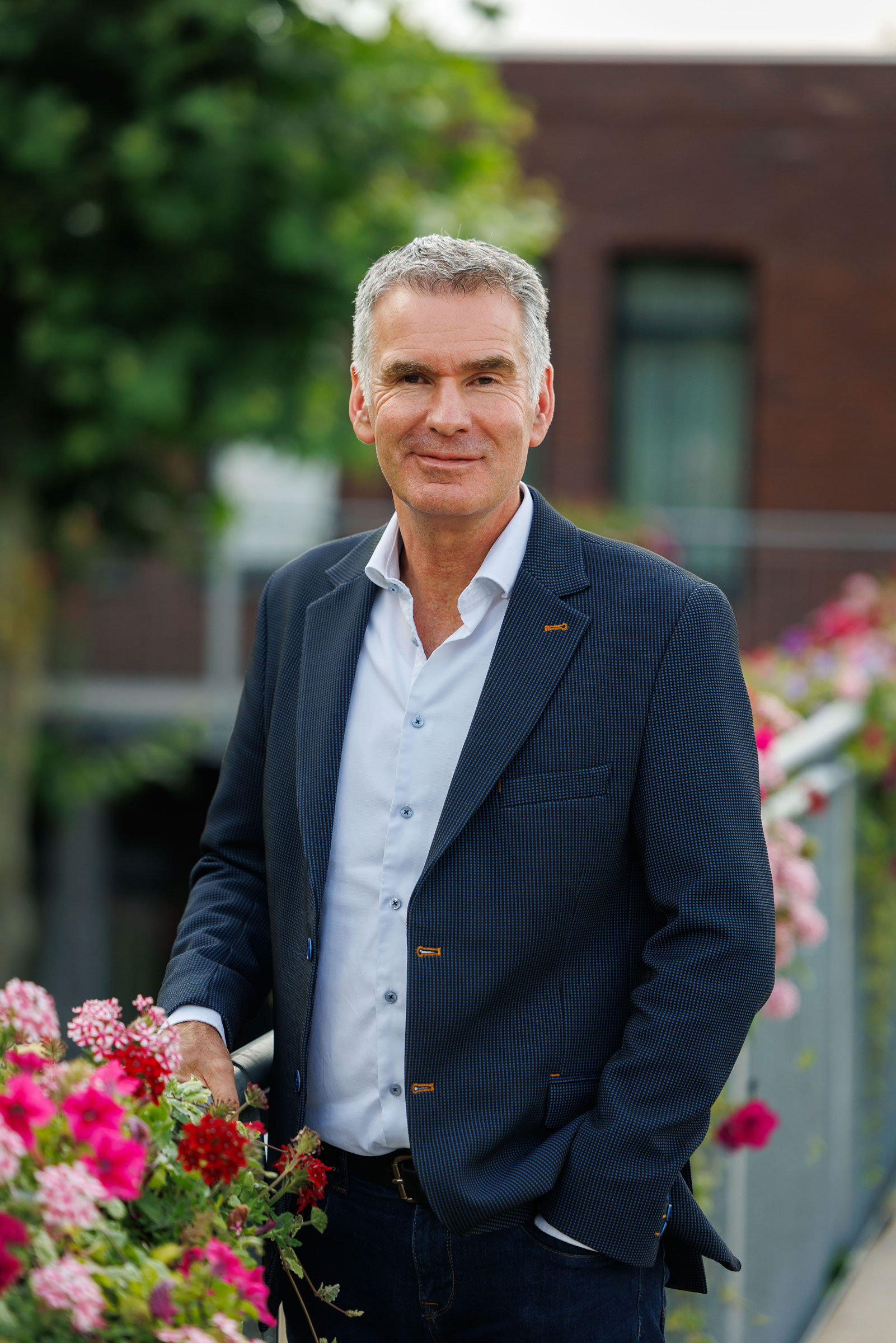
None of that sounds particularly out of the ordinary, except that all of the people living in Hogeweyk have dementia. The facility, just outside of Amsterdam, is breaking the mold for dementia care, thanks to the passion of its co-founder, Eloy van Hal. For years, he was the facilities manager for traditional nursing homes, where residents were generally confined to their rooms and offered only a limited variety of strictly supervised activities throughout the day.
But he became convinced that those with memory and cognitive issues needed–and deserved–something better. When van Hal arrived at the “very ugly institutional building” practicing this model of care that preceded Hogeweyk, he helped launch a pilot program focused on giving the residents back some of their autonomy. When the nursing home eventually needed to be upgraded, its owner agreed to rebuild with patient autonomy in mind.
Instead of a high rise institutional facility, they built homes to accommodate six or seven people with similar backgrounds and interests, and created a neighborhood to better resemble the real world. The key was to think of the people living in Hogeweyk as residents, not patients. You just see people meeting, smiling and walking around.” Studies show the residents at Hogeweyk are on average happier and use less medication than those in traditional nursing homes, and care providers around the world have taken inspiration from van Hal’s approach.
One such facility is Agrace in Wisconsin, which is building the first Hogeweyk-style facility for dementia residents in the US, scheduled to open in 2027. Lynne Sexten, Agrace’s president and CEO, says that during her visits to Hogeweyk, she was struck by how few residents were bed-bound, or needed oxygen, and how their days were less regimented and repetitive compared with those of memory care residents in the US. He now advises people interested in mirroring Hogeweyk’s model through his own consulting company.
Extract — continue reading at the source.