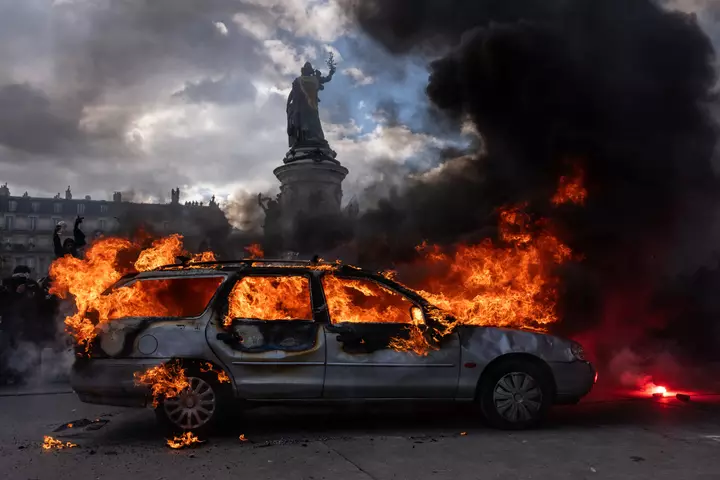
Student protests in France are into their second month, escalating into demonstrations across Europe. What began in September in France with pupils protesting against overcrowded classrooms and teacher shortages has grown into wider anger at the cost of living and planned cuts to public services. Protesters in Albania, Belgium, Greece, Italy, Portugal and Spain have also taken to the streets over the lack of affordable housing, rising costs and failing public services – with many young people saying they no longer expect to be better off than their parents.
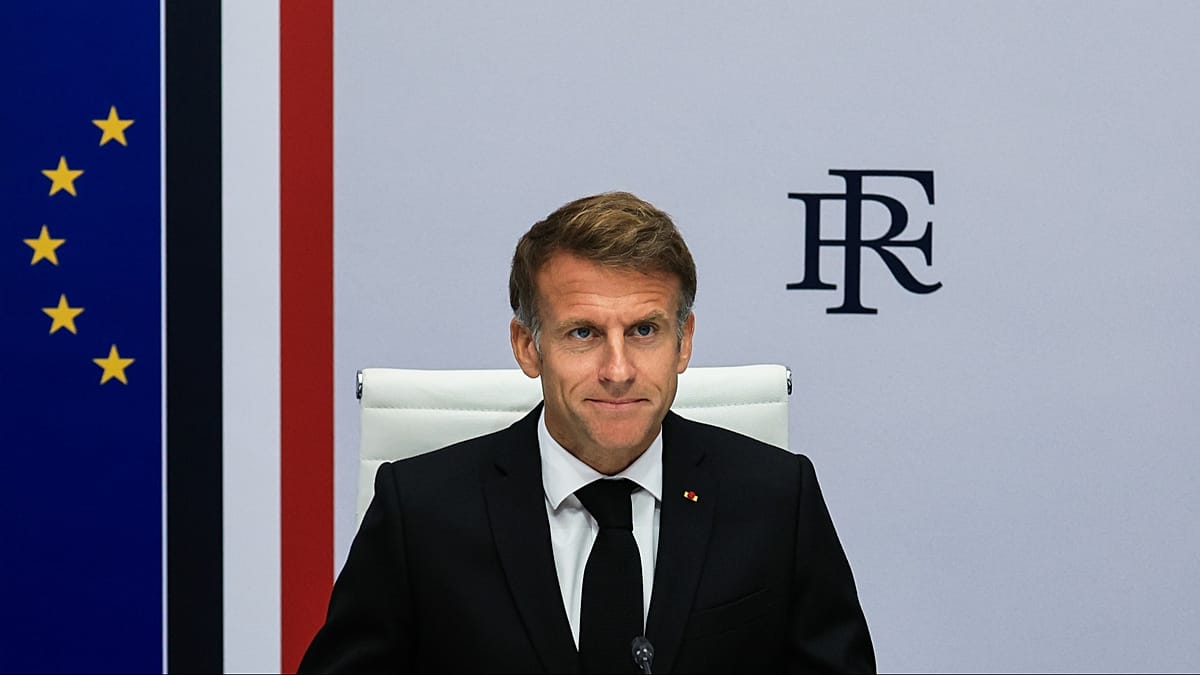
Facing their anger are leaders such as French President Emmanuel Macron, Italy’s Prime Minister Giorgia Meloni, Spain’s PM Pedro Sanchez and Portugal’s PM Luis Montenegro. Sanchez belongs to the left, Meloni to the right and Macron and Montenegro are conservative-leaning centrists. But while their politics vary, they all face mounting unrest because of soaring costs of living.
Are they out of touch with the experiences and sentiments of youth in their countries? Al Jazeera visualises how prices, wages, housing and education have changed in France, Italy, Spain and Portugal over the past 26 years, from when Macron, Meloni, Sanchez and Montenegro were in their 20s, much like many of the protesters angry with them. The prices paid for everyday items such as food, energy, transport and bills have risen by between 59 and 78 percent since 2000 in France, Italy, Spain and Portugal, according to Eurostat – the European Union’s statistics agency.
Its harmonised index of consumer prices (HICP) is the EU’s official measure of how much everyday goods and services cost. Spain recorded the steepest increase at 78 percent, followed by Portugal at 71 percent, 68 percent in Italy and France at 59 percent. That means goods and services that cost 100 euros ($112) in 2000 now cost about 178 euros ($200) in Spain, 171 euros ($192) in Portugal, 168 euros ($188) in Italy and 159 euros ($178) in France.
Prices rose by about 2 percent a year on average, but jumped in 2022, when annual inflation hit 8.7 percent in Italy, 8.3 percent in Spain, 8.1 percent in Portugal and 5.9 percent in France, the highest rate in all four countries since at least 2000. The surge was driven mainly by energy costs, which soared after Russia’s invasion of Ukraine in February 2022. By October that year, eight months into the war, energy prices across the eurozone were almost 42 percent higher than a year earlier, and food prices were also rising sharply, according to Eurostat.
Between 2021 and 2023, prices increased by 12 to 15 per cent in the four countries. Wages failed to keep up, and because prices do not fall back once inflation eases, many households are still feeling the squeeze today. Once inflation is taken into account, the average full-time wage in Italy fell by almost 5 per cent between 2000 and 2025.
Extract — continue reading at the source.