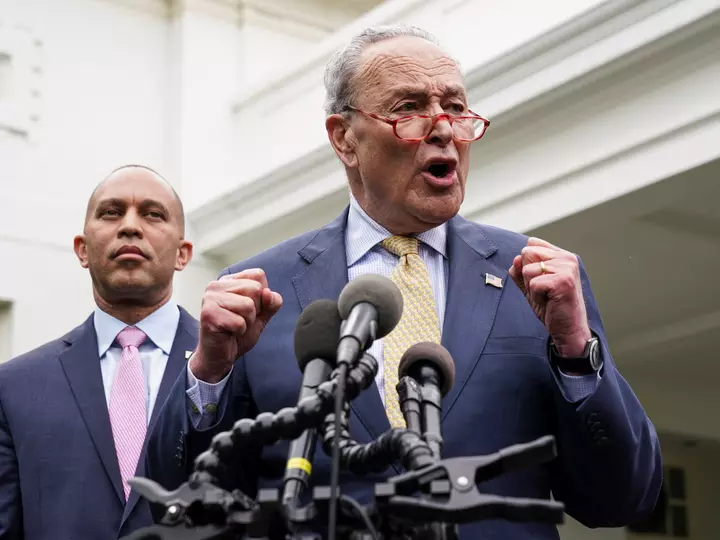
Two years after United States voters delivered a stunning rebuke of the country’s Democratic Party by electing Republican President Donald Trump to a second nonconsecutive term, some of the party’s midterm candidates are reassessing stances on a host of hot-button issues. Whether they have dialled it back on issues like transgender rights or ramped up efforts to oppose Israel’s genocidal war on Gaza, Democrats in some of the toughest midterm battleground races are responding to voter concerns – or even breaking outright with party leadership. Those shifts have resonated with some voters, while others have been alienated as the party tries to find its footing in Trump’s second term and wrestle away control of both houses of Congress from Republicans.
But in the time since Trump defeated former Vice President Kamala Harris in 2024, Democratic divisions have only grown deeper. Establishment and self-described moderates within the party have struggled to hold back a rising tide of progressive populism as voters increasingly demand stronger, bolder policies. That movement, powered by groups like the Democratic Socialists of America, has forced a reckoning over what it means to be a Democrat in Trump’s second term, leading to significant differences among candidates on policies that often depend on where they are running.
Here’s how – and why – the party has shifted: The most notable shift among Democrats has, arguably, been on Israel. Three years after Israel launched its genocidal war in Gaza and killed more than 74,000 Palestinians following Hamas’s October 7, 2023, attacks, polls have suggested that Americans hold increasingly negative views on Israeli military actions. A Pew Research Center survey conducted earlier this year suggested that 60 percent of US adults had an unfavourable opinion of Israel.
That number is significantly higher – 80 percent – among US Democrats. In response, some longtime Democratic supporters of Israel – including Senator Chris Coons, who is likely to chair the Senate Foreign Relations Committee if Democrats retake control of the Senate next month – have shifted, as voters, especially younger ones, demand greater accountability from the US ally. The moderate Delaware Democrat told Politico in an interview this month that he wants a “thorough reexamination” of the US-Israeli relationship and is even willing to impose sanctions on Israel’s prime minister, Benjamin Netanyahu.
It is a marked change in tone after Harris rejected calls to feature a Palestinian American speaker at the 2024 Democratic National Convention in Chicago. Earlier this year, 40 Democratic senators voted in support of a motion that disapproved proposed military sales to Israel. Only seven Democratic senators voted with Republicans to block it.
But as a new Congress may include even more progressive voices demanding the US rethink its relationship with Israel, those calls would likely be met with stiff resistance from some in the Democratic leadership, including Senate Minority Leader Chuck Schumer. The New York Democrat, who would likely become majority leader if Democrats retake the Senate, has said that the US “commitment to Israel’s security and defense must be ironclad”. Following years of attacks from Republicans, Democrats in tightly contested US House or Senate races have downplayed – or outright dismissed – support for the transgender community, mostly when it comes to the participation of transgender students in school sports.
Extract — continue reading at the source.