Could Lynne Ramsay survive the jump from shorts to a first feature? And might “The Wicker Man,” once treated as a problem child, now look like exactly the kind of genre package buyers chase? That was the conceit of a lively session hosted by Wendy Mitchell, with Picturehouse’s creative director Clare Binns, Killer Films’ Christine Vachon, Film4’s head of distribution and sales Stefanie Fahrion, BBC Film’s commissioning executive Alice Ojha and Casarotto’s Simon Renshaw asked to assess British classics as if they had just landed on their desks in 2026.
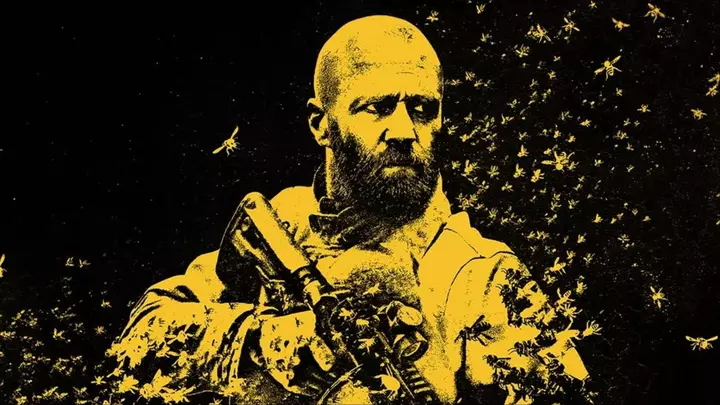
Nobody suggested the market had become kinder, but several films looked less risky than their loglines might suggest. First up was “Trainspotting”: heroin use, a dead baby, filthy toilets, heavy Scottish dialect and no obvious box-office cast. Binns immediately went to Danny Boyle’s previous film, calling “Shallow Grave” “one of the most exciting films I ever saw” and saying it announced “a new voice.” Fahrion saw upside in the extremity.
The film had “so many iconic moments,” she said, with enough “shock value” to create a “talking factor” and “FOMO” around scenes audiences felt they had to see, and today would likely virally share. Renshaw called it “a big swing,” but also “something that’s going to get people talking.” Vachon was less concerned still. At the right price, “I don’t think it’s risky at all.” Structure was the focus for Bill Forsyth’s feel good “Local Hero.” “I don’t think you get any American equity or a pre-buy unless it was a really big, big star,” said Vachon.
Better, she argued, to make it “with as much soft money as possible” and then sell it for “a nice high price to the U.S.” Binns saw an audience play. Older cinemagoers remain underserved, she said. Ramsay’s “Ratcatcher” brought the financing gap into sharper focus.
Renshaw called “that leap from shorts to that first feature” the hurdle, with known cast often crucial in getting financiers and distributors comfortable. This is where, in the U.K. at least, public backing can enter. Fahrion noted that voices as unique and challenging as Ramsay’s often originate with public development or production money.
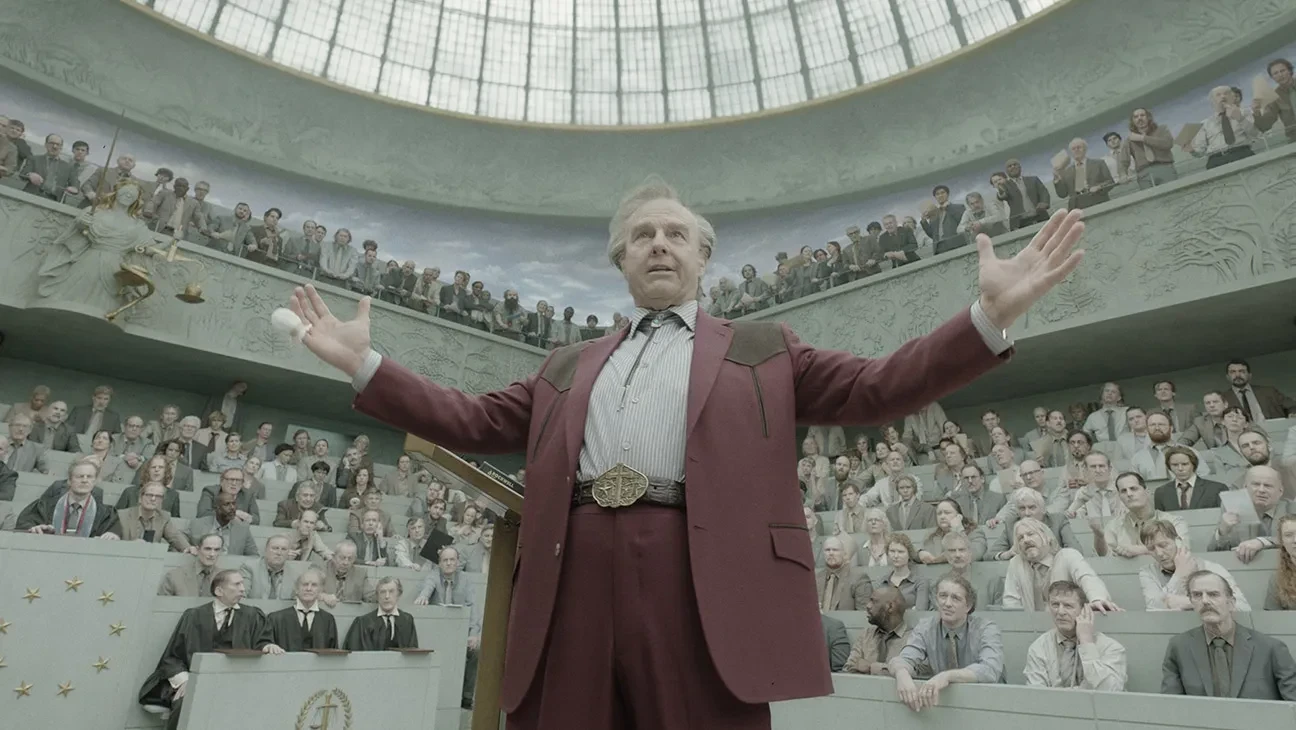
Vachon’s U.S. take was starker. Vachon called it “exactly what… the A24s, Neons, etc. are looking for right now.” Renshaw noted it could be made inexpensively, while Binns saw a hook in casting an actor, in that classics case Richard Chamberlain, “doing something new, different for him.” How times change: when released British Lion packaged it as the secondary feature to “Don’t Look Now.” And the worst pitch Renshaw ever received?
Extract — continue reading at the source.