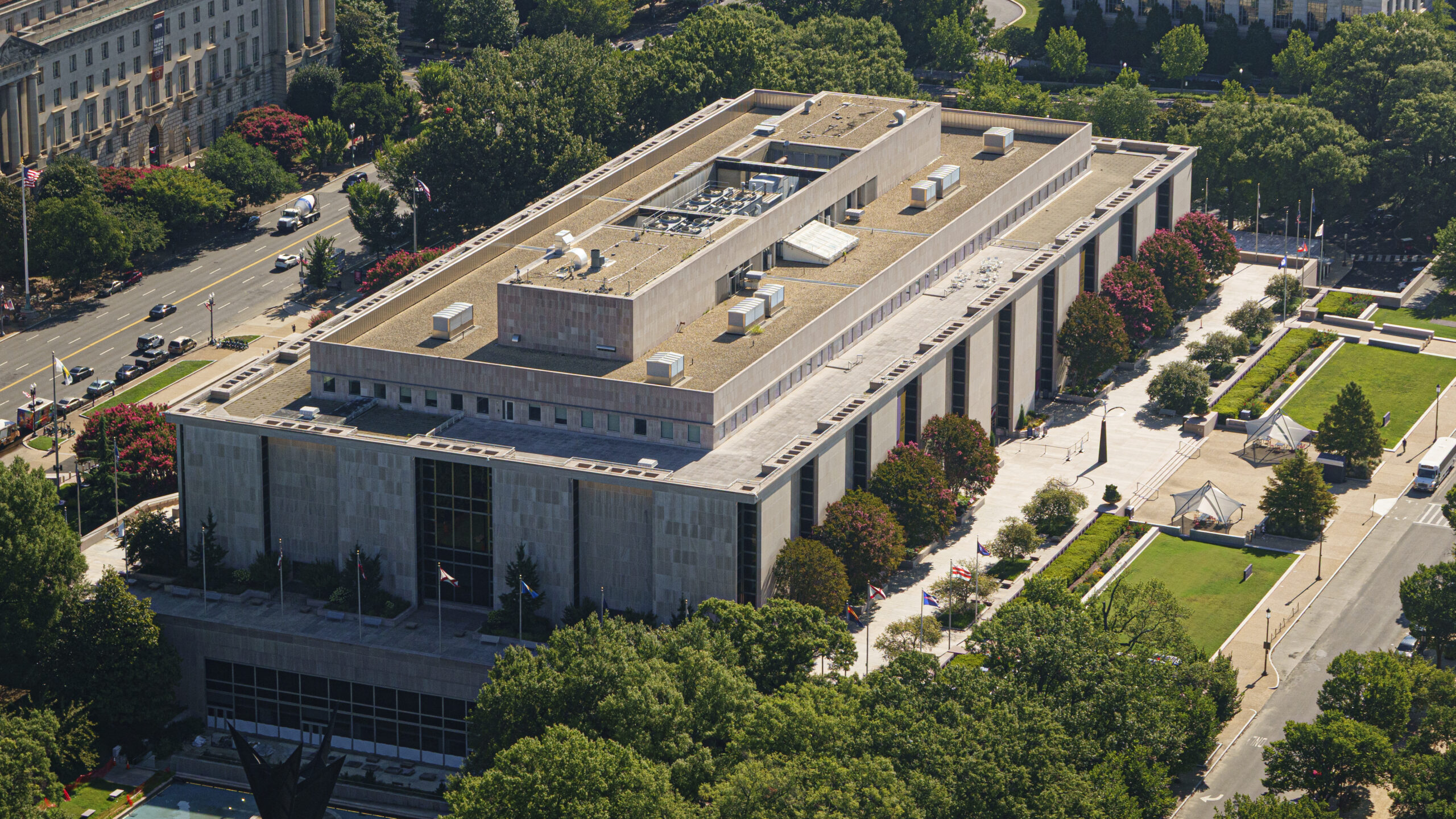
In November 2021, the Smithsonian’s National Museum of American History opened an exhibit called “The Electric Dr. Franklin,” describing “Benjamin Franklin’s pioneering contributions to electrical science.” The exhibit explained that, prior to becoming an abolitionist, he had enslaved people in his household. The exhibit speculated that Franklin may have used enslaved people in his electrical research.
And it was one of many details singled out for criticism in a blistering 162-page White House report released in July that argued that the museum had fallen victim to an “ideological capture” that “moved the Museum’s mission away from straightforward historical education and scholarship toward an extreme political activism that seeks to transform our country.” For decades, the Smithsonian Institution, which draws some 15 million visitors every year to its assemblage of 21 museums—bounty that has no real global peer—has managed to stay mostly above the political fray. There have been occasional exceptions, such as the uproar over the National Air and Space Museum’s planned 1995 exhibit of the Enola Gay, the B-29 that dropped the first atomic bomb on Hiroshima. By and large, though, the institution maintained bipartisan support as the guardian of America’s history, ingenuity and natural heritage, even as political polarization spread and culture wars raged.
Extract — continue reading at the source.