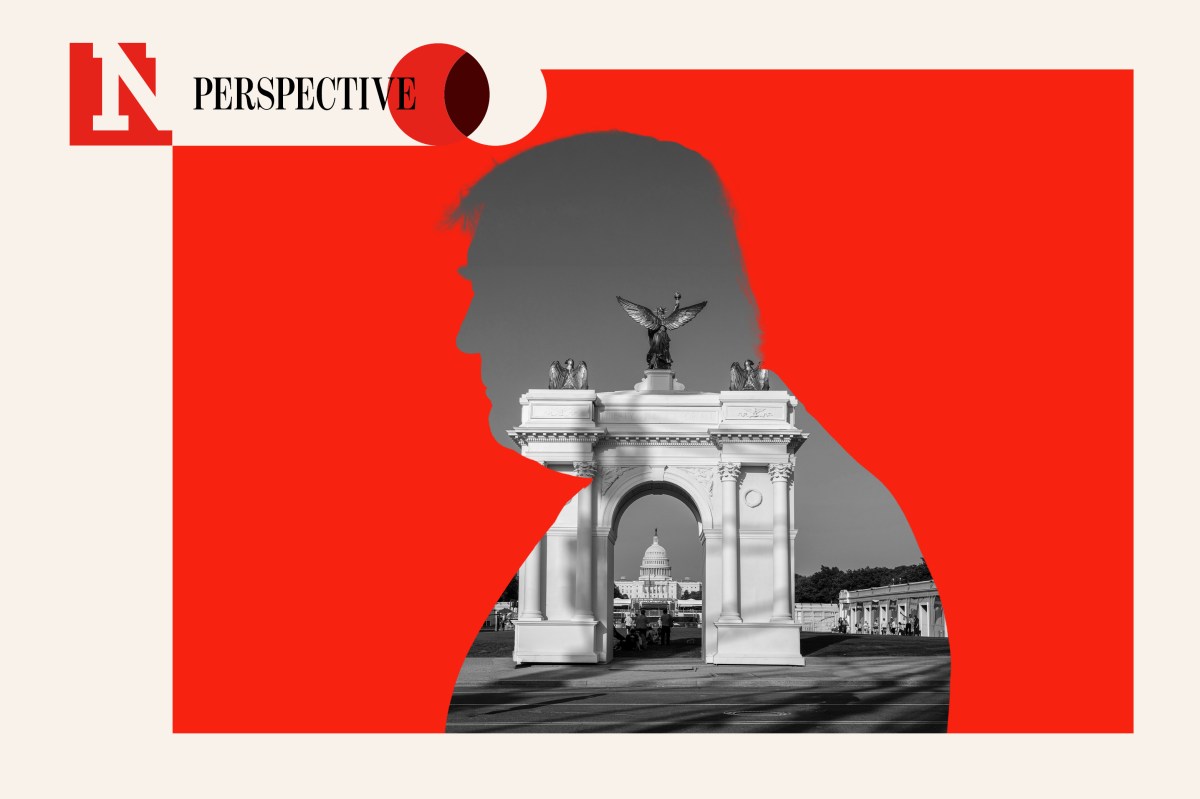
Donald Trump's political fortunes may look increasingly mortal, but his architecture seems intended to escape the same fate. Excavation for the President’s planned 250-foot triumphal arch in Washington is due to begin within weeks. The monument would rise at Memorial Circle, between the Lincoln Memorial and Arlington National Cemetery, clad in granite and crowned in gold.
Although preliminary approval has been granted, lawsuits remain (do they ever go away?) but the digging, apparently, comes first. The timing of it all deserves close attention. Trump's approval rating fell to 33 percent in an August /Ipsos poll, the lowest of his second presidency, with 64 percent of respondents disapproving.
Another /Ipsos survey this week found 71 percent disapproved of his handling of the cost of living, an issue that voters ranked as the dominant issue heading into November's midterms. And there lies the wager. Political power can vanish with an election, while physical power can outlive electorate rejection.
The Romans understood this very well. Their emperors used arches, temples and monuments to turn contested reigns and uncertain victories into something harder, grander and more permanent than public opinion. Trump’s arch offers the same tantalizing possibility—even if Trumpism eventually loses at the ballot box, Trump himself may remain standing in stone.
Emperor from A.D. 81 until his assassination in 96, Domitian built lavishly. His palace transformed the Palatine Hill into an architectural expression of imperial power, while construction and reconstruction across Rome helped give physical form to his reign. Modern scholarship actually describes architecture as one of the principal ways Domitian constructed his imperial image.
Then came the rather awkward business of his death. Domitian was assassinated and the political order that followed turned sharply against him. His memory was condemned; his name was removed from inscriptions and his image subjected to the practices modern historians group under damnatio memoriae.
Extract — continue reading at the source.