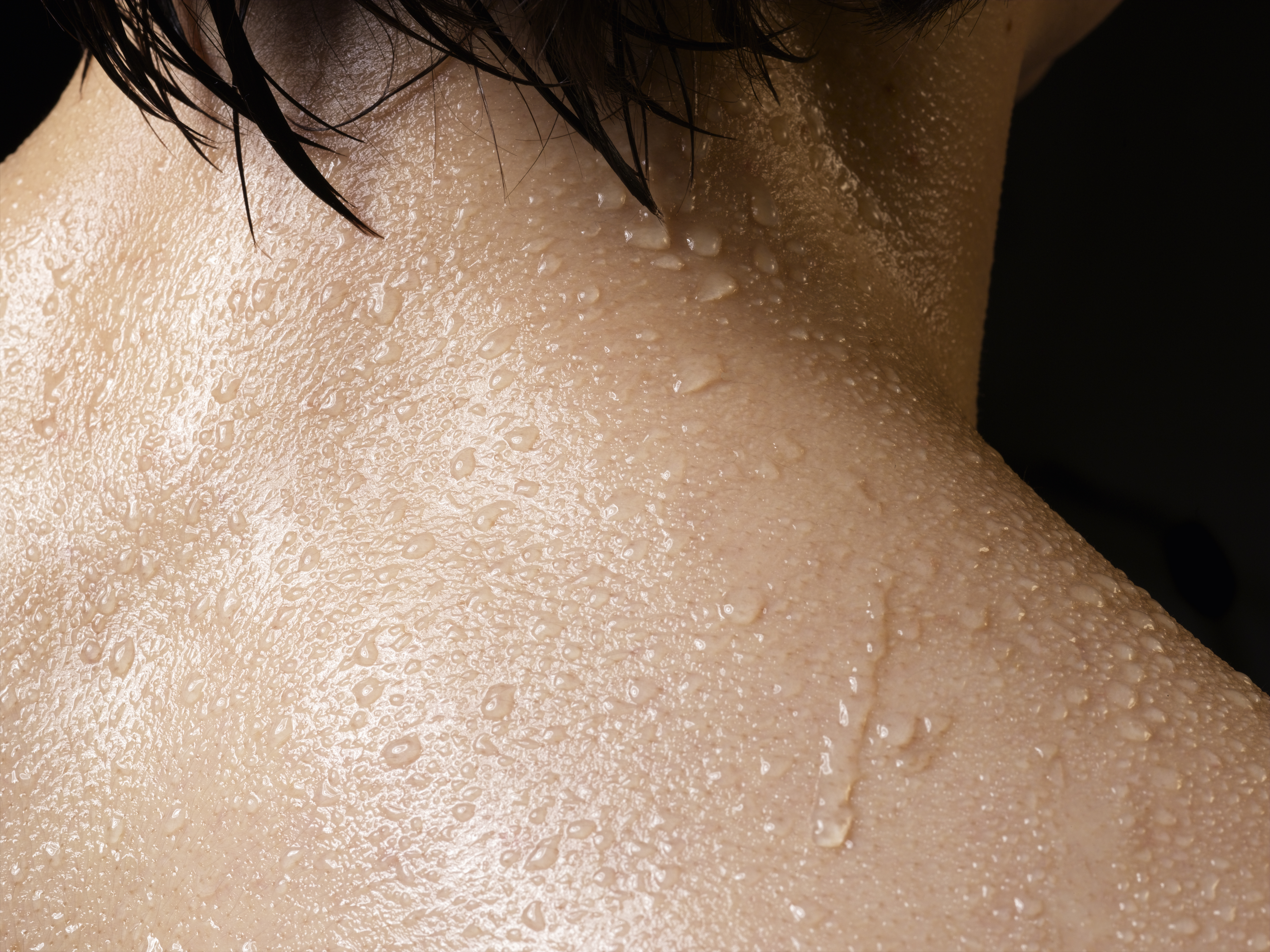
One day the air is crisp and cool, and the next it’s impossible to go out without sweating through a shirt. The store feels like it’s on the far side of the Amazon, or maybe the Gobi. And yet, the thermometer reveals a number that is not all that high, compared to later in the season.
So why is the heat so unbearable? Scientists who study temperature regulation have found that the body takes time to adjust to seasonal changes and other thermal changes: a process called heat acclimatization. Research suggests that in people who regularly spend time outside, the body adjusts how it sheds heat to make the environment less stressful.
Your body in the summer, it turns out, might be fundamentally different from your body in the winter. Spending most of your time indoors in the air conditioning might slow the body’s changes, come summer. When you go for a walk on a hot summer day, before you’ve adapted to the heat, both your skin temperature and your core temperature may go up.
That sets off alarms in the body, announcing heat stress. Sweat evaporates from the skin, cooling skin down, and blood sent to the surface of the body helps shed heat. The volume of blood pumping through the body also goes up.
More blood volume allows more heat to be shed and supports greater sweating without dehydration. There are also changes at the level of the cell, with some proteins’ production going up to protect normal functioning in greater heat. The process of reaching a fully adapted state might take a few weeks, although the precise details will depend on the situation.
These changes can be triggered in advance, with a little bit of exposure at a time. In fact, athletes and people working in warm conditions, like utility workers out in the Texas sun all day, may slowly ramp up their time in the heat to stay healthy under strain. Being adapted to the heat lowers the risks.
Extract — continue reading at the source.