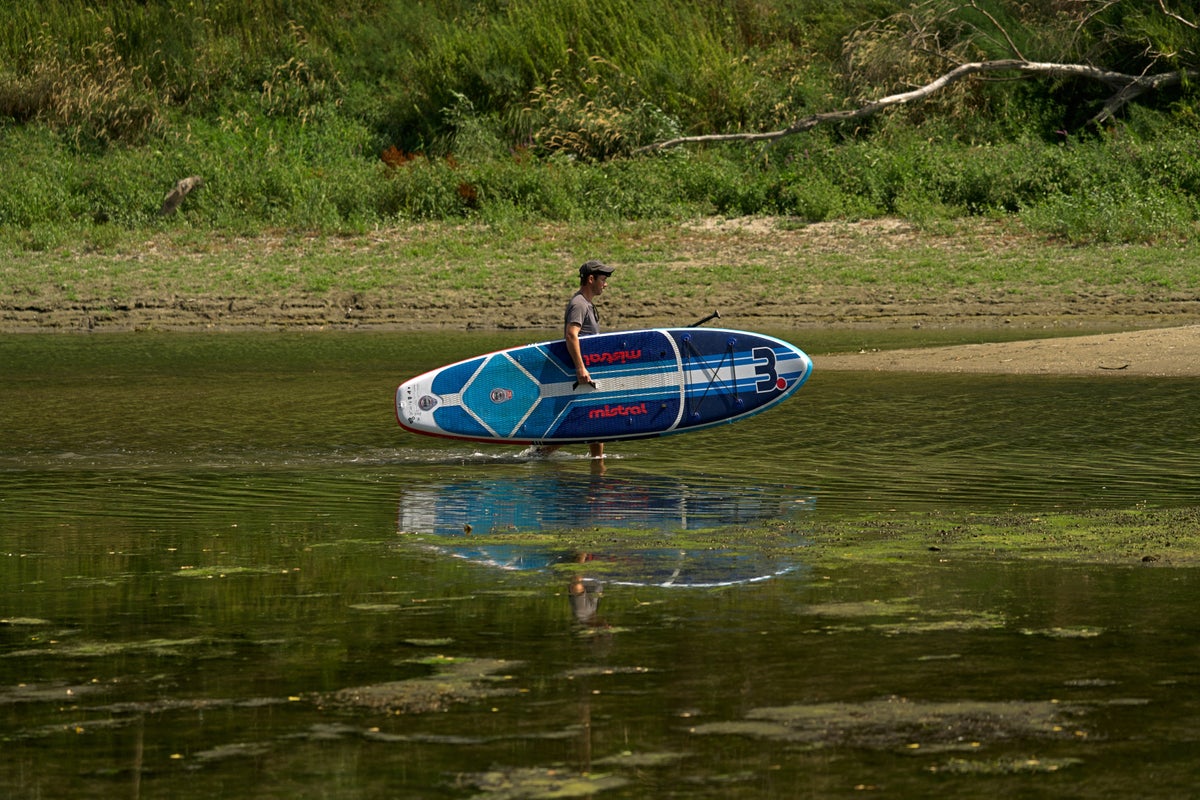
A fisherman stepped ashore at a small harbour on Hungary’s Lake Velence last week, climbing up a dock plank left steeply inclined by record-low water levels. Árpád Selmeci noted that steering even a small fishing vessel on Hungary's third-largest lake has grown ever more challenging, as depths have sunk to approximately 20 centimetres (8 inches). This sits drastically beneath the 150 centimetres (5 feet) considered optimal during August, leading to the closure of swimming beaches that were once major tourist attractions.
The shrinking of Lake Velence reflects a wider water emergency facing Hungary, where increasingly extended droughts and heatwaves driven by climate change have hit the European continent hard. My heart aches every single moment.” This summer, wildfires scorched the continent from the United Kingdom to Greece, while in Hungary, drought has damaged crop yields, led to drinking water shortages and threatened to shut down the country's only nuclear power plant. Yet the lack of rainfall linked to human-driven climate change is only part of Hungary's water problem.
Experts say the country's long-standing practice of channeling water away from its landscape and draining natural wetlands has left it especially vulnerable as droughts become more frequent and severe. Around 99% of Hungary’s lands are currently under severe or extreme drought conditions, according to the national meteorological service, and desertification, a process where vegetation recedes because of high heat and low rainfall, threatens much of the Great Hungarian Plain. Yet more than a quarter of Hungary consists of low-lying land that naturally retains precipitation, and in past centuries its many rivers and streams made it rich in freshwater resources.
However, a 2023 study published in the journal Nature estimated Hungary’s historical wetland loss at more than 80%. Zsuzsanna Ujj, a biodiversity policy specialist and project coordinator with environmental group Friends of the Earth Hungary, said the country “has not been a good steward of its waters in the last 200 years.” A major contributor is Hungary's network of more than 40,000 kilometers (25,000 miles) of drainage canals — a length that exceeds the circumference of the Earth — which drain accumulated precipitation from fields, wetlands and the soil to make room for agriculture and other enterprises. The priority on draining land rather than allowing natural flooding cycles to occur has contributed to a consistent drop in the water table and the drying out of wetlands and topsoil.
With less water available to evaporate, the air dries out, further reducing the chances of localized precipitation. Ujj said that Hungary — which is among the most drought-exposed countries in Europe and ranks 16th globally, according to a report by the Organization for Economic Cooperation and Development — “needs to realign its water management practices, shifting from a drainage-based approach to one focused on water retention.” The drying out of Hungary isn't limited to streams and wetlands. Lake Garancsi, a small recreational lake around 20 kilometers (12 miles) northwest of Budapest, was once a popular destination for fishing, swimming and ice skating, and was the setting of the 2001 cult Hungarian comedy “Üvegtigris” (“Glass Tiger").
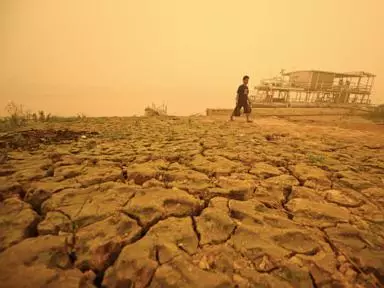
But the lake, present since the Middle Ages, has shrunk so dramatically in recent years that none of the previous recreational activities are permitted, and most of the former lake bed is now exposed, cracked and dry. What remains of the water is so shallow and warm that all of the fish and most of the other wildlife have disappeared, and authorities have predicted no water will be left by the end of summer. Zoltán Mettner, who runs the Glass Tiger bar on the shores of the lake, said conditions have gotten worse every year.
Extract — continue reading at the source.