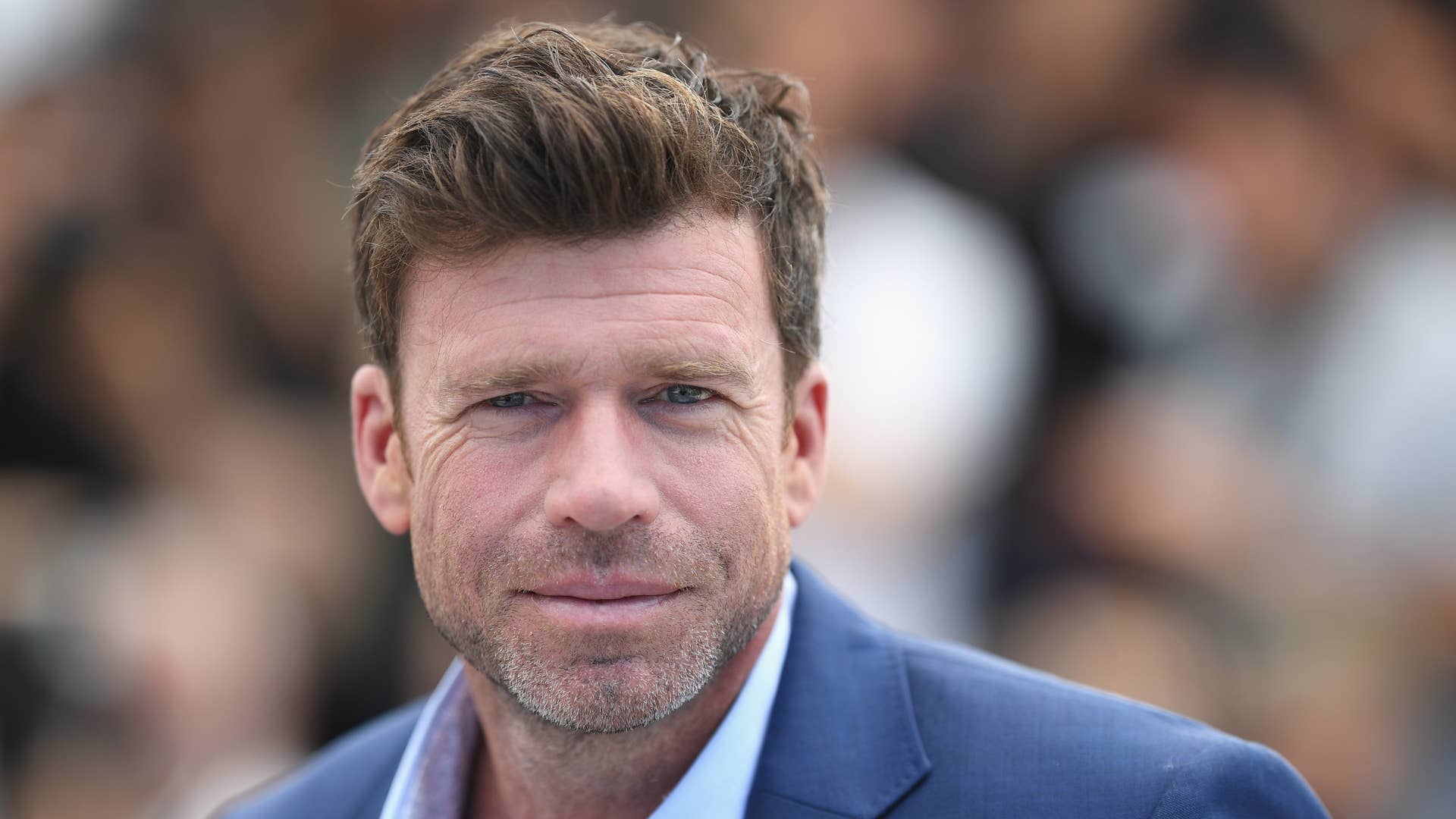
Kiran Leonard presses the tips of his fingers together and looks at me solemnly across the table. When the piece came out, his grandfather was thrilled. It’s true that, the last time Leonard had a profile in this paper, he sounded a lot like a twentysomething trying hard to shed the preciousness of his former status as a teenage wunderkind.
Hailed as a prodigy at age 16, upon the release of baroque, bonkers 2012 debut Bowler Hat Soup, a lot of Leonard’s early press plays up his age in a way that now reads as embarrassingly trite. In the past five or so years, Leonard has emerged as one of Britain’s most consistently fascinating experimental musicians. His recent slate includes 2024’s Real Home, a rangy pop record that touches on ramshackle country, menacing prog and Jonathan Richman-esque romanticism; last year’s Small Brown Bed/With You Waltz, a surrealist album of live takes recorded at notable DIY venues such as the Golden Lion in Todmorden and Delicious Clam in Sheffield with a group of musicians he calls No Tailgate; and credits on acclaimed records by Eli Winter, Caroline and My New Band Believe.
His music is certainly far less wordy these days, far less likely to garner comparisons to Captain Beefheart or Joanna Newsom. But that’s because at this point, he says, he’s searching more for a sense of pure feeling: “I’m strongly driven by a very physical thing – which might seem quite broad, but it’s what distinguishes what I’m interested in and what I’m not.” Leonard was born and raised in Saddleworth, near Manchester, the son of a community midwife and John Leonard, a folk musician who worked for BBC Radio 1 and 2 in Manchester in the 80s and 90s. Although it’s clear he was making music from a young age, it’s less clear how he ended up signed, with a manager and booking agent, before he could legally drink.
I made Bowler Hat Soup and put it on Bandcamp. I think I sent it to a load of blogs, and a blog wrote about it, which was then read by [the people who ran the label] Hand of Glory. I didn’t really come up through like, gigging.” From there, Leonard was set up with that dreaded industry mechanism: a team.
He got a publicist and a radio plugger and, through his management, a band, thankfully comprised of Manchester musicians who were at least making music that felt aligned with Leonard’s own. During that period, he made and released four albums, but increasingly felt as if he wasn’t in the right zone. Enamoured by fuck-the-industry icons such as Steve Albini, he began tanking his commitments because the music was the one thing he had control over.
He moved to London and then, one day, ditched his entire team. And couldn’t get gigs,” he says. Leonard “gradually found a groove in London, found a way to find it really stimulating and engaging”.
Extract — continue reading at the source.