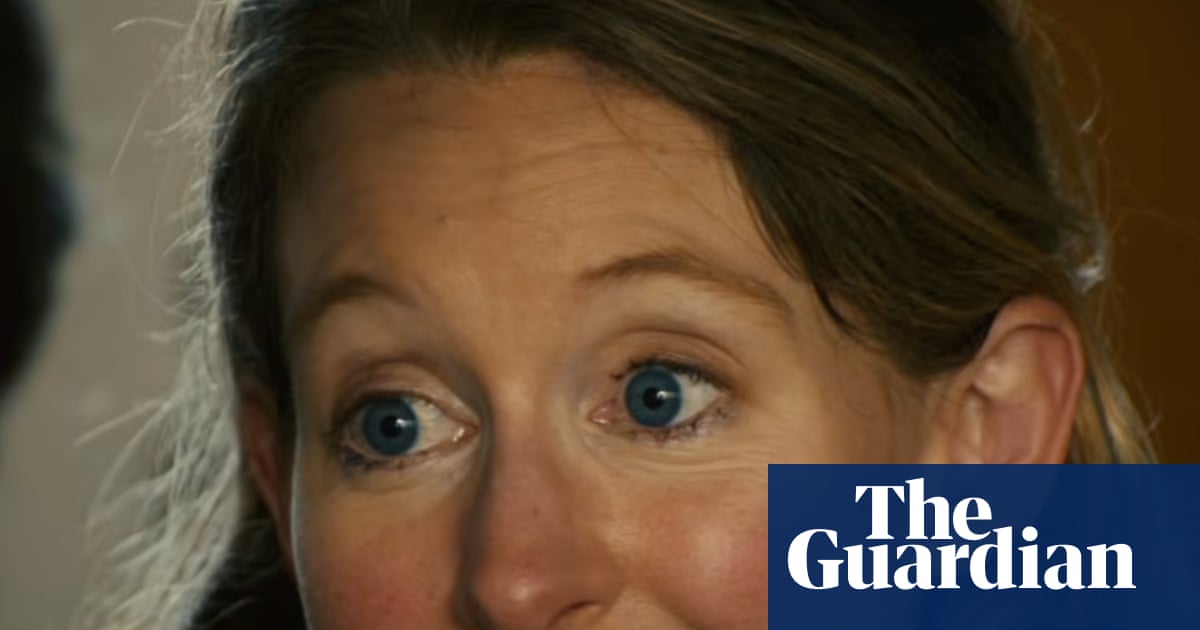
In You Can See Everything, convicted fraudster Elizabeth Holmes invites film-makers Nathan Fielder and Lance Oppenheim into her home in a supposed act of “radical transparency”. Holmes is filmed, along with her partner, Billy Evans, and their two young children, in the weeks before starting a prison sentence for defrauding Theranos investors. It may also be the best way to market “Theranos 2.0”, which the couple are working on during filming.
But the documentary questions whether Holmes is presenting her authentic self or a manufactured persona. Fielder speaks for the audience when he asks Holmes in a tense exchange whether she’s “being real” with him. That question of authenticity is at the heart of documentary film-making.
You Can See Everything is as much about the ambiguous relationship between film-maker and subject as it is about Holmes herself. There is often a power struggle over narrative control in documentaries, with both sides of the dynamic wanting different outcomes from the final film. Watching You Can See Everything inevitably prompts the question: why would Holmes, days before she heads to jail, invite the scrutiny of a film crew?
Some people, like Holmes, think a documentary will help rebuild their reputation after public disgrace. When Anthony Weiner, who resigned from Congress after tweeting a photo of his bulging groin, tried to stage a professional comeback with a New York mayoral bid, he allowed cameras to film the journey. Only, he had more to hide: when further sex scandals emerged, his campaign went from a story of public redemption to innuendo-laden humiliation.
And all the while, the cameras kept rolling. Weiner is a prime example of a subject losing control of the narrative. Weiner may have wanted a sympathetic portrayal, but he should have known that film-makers always have their own agendas.
In the book The Journalist and the Murderer, Janet Malcolm reflects on the relationship between journalists and their subjects: “The subject becomes a kind of child of the writer, regarding him as a permissive, all-accepting, all-forgiving mother, and expecting the book to be written by her. Of course, the book is written by the strict, all-noticing, unforgiving father.” The same is surely true of the documentarian. When Jackie and David Siegel allowed Lauren Greenfield to film their attempt to build a modern-day Versailles in Florida, the director wasn’t giving them free PR.
Extract — continue reading at the source.