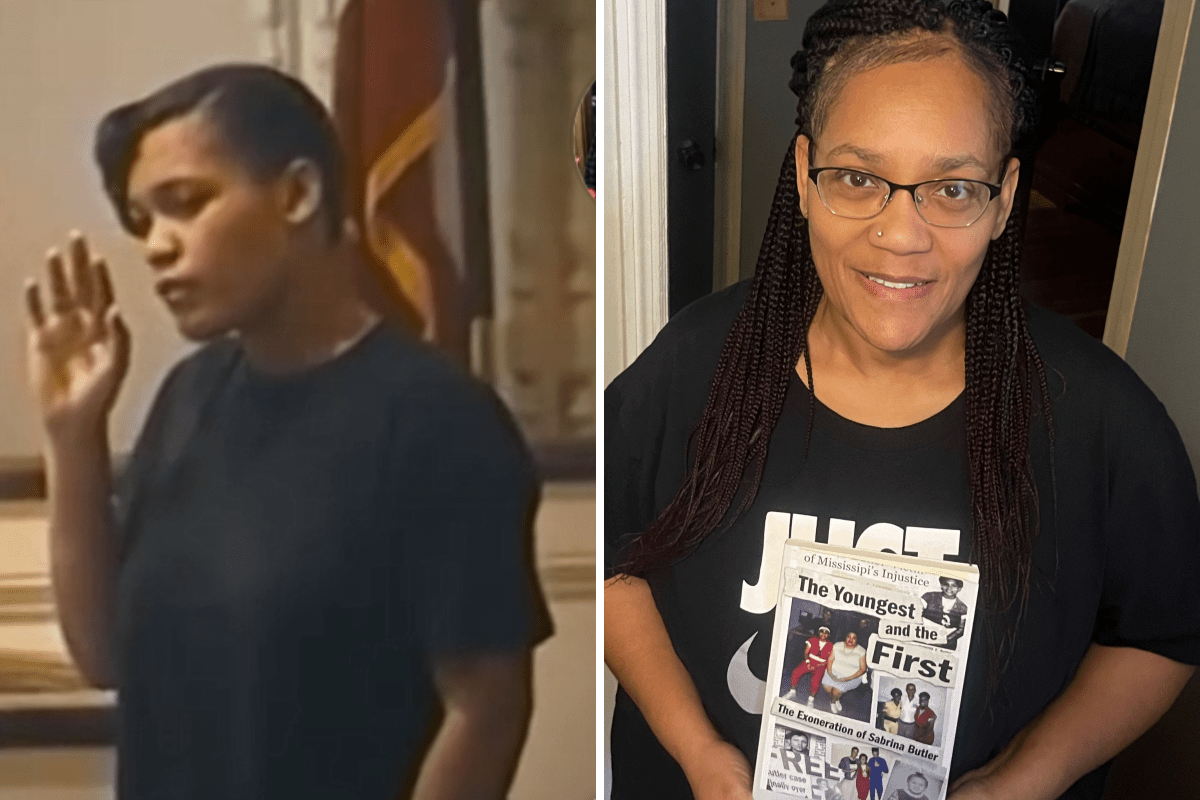
Being able to say you were the first person to do something is usually an achievement, but for me, it is a haunting reminder of what could have been. Life as I knew it was taken from me as a teenager when I was wrongfully convicted of murdering my son. This led to me becoming the first woman exonerated from death row in the United States.
I had been living on my own since I was 14, and by the time I was 17, I was a mother to a 2-year-old and a 9-month-old. I was living in Columbus, Mississippi, and I was just trying to survive. I was estranged from family; I did not have a car or even a phone, so I was basically alone in my apartment complex.
On the night of April 11, 1989, I had just put my youngest son, Walter, to bed, and because my older son was with his grandparents, I decided to go for a jog. People often ask why I left my 9-month-old son alone, but I was practically a child myself. I didn't plan to be out long, so I thought he would be fine since he was asleep.
When I got back, I went into the kitchen to get a bottle for Walter, then went to his room and noticed he wasn't breathing. It was gone 11 p.m., but I ran outside, begging anyone to help because I did not know CPR. In a panic, I ran from door to door until someone could help.
Eventually, a woman answered her door, and she took my son inside to try to resuscitate him. I continued performing CPR all the way to the hospital, but I was scared out of my mind. Was I doing the right thing?
What else could I have done? When we arrived at the hospital, doctors took my son away, and I had to stay in the waiting room. I was just 17, and all I could think about was how much trouble I was in.
Extract — continue reading at the source.