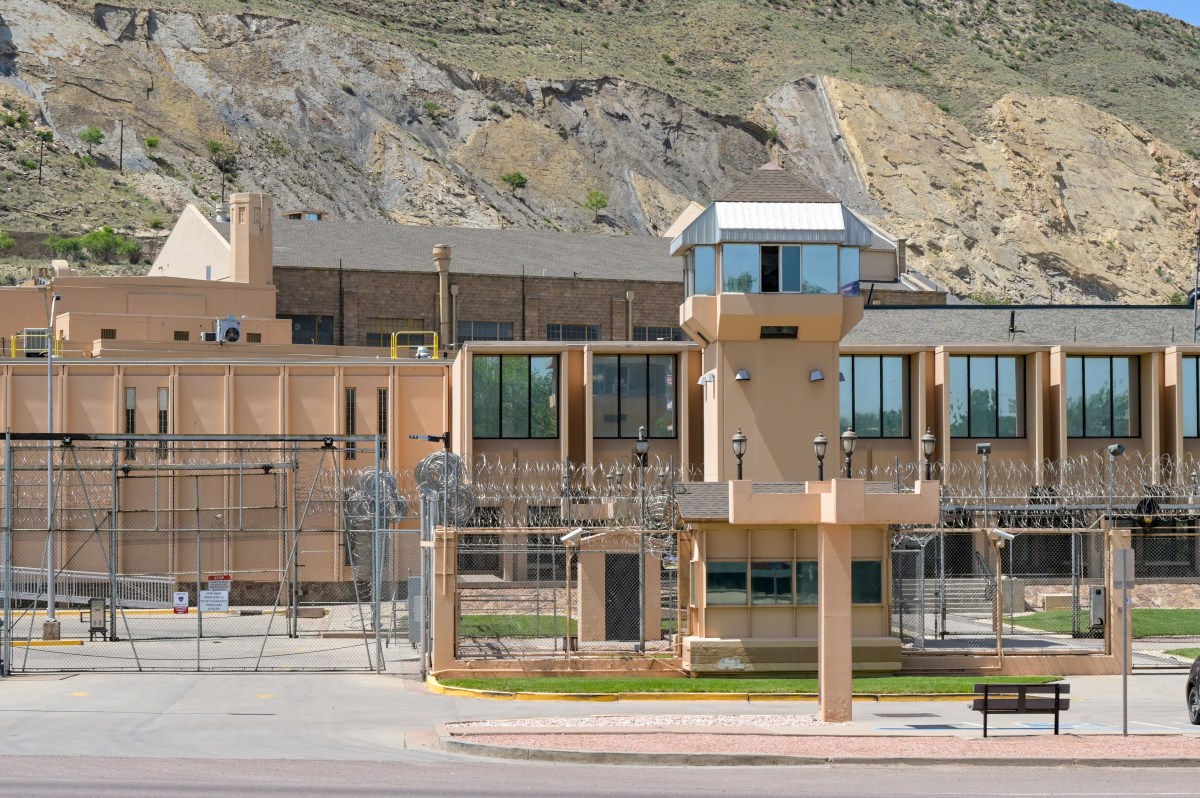
The United States has spent decades debating how to make prisons more effective, from sentencing reforms to budget hearings. Yet almost nobody is asking the question that may determine whether someone walks out better or worse than they entered: what does the building itself do to a human being? I’ve spent years working with correctional facilities across the country, walking the yards of facilities that confront staffing shortages, rising costs, mental health challenges and outdated systems.
I’ve seen the difference between a facility designed to punish and one designed to prepare people to eventually return to society. While the industry is changing, many facilities still operate within environments shaped by another era. The data reflects the consequences.
America has one of the highest incarceration rates in the world, with around 1.8 million people held in state and federal prisons and local jails. Yet 66 percent of released state prisoners are arrested within three years, and 82 percent are arrested at least once within a decade. Policymakers continue searching for ways to reduce repeat offenses, but these numbers expose a problem that sentencing policy alone cannot solve.
An inmate locked in a small, dim cell for hours each day does not simply emerge unchanged. Prolonged confinement and deprivation can intensify depression and aggression. In Alabama, formerly incarcerated people have recently described drug use, assaults, and murders inside facilities.
These conditions are warnings about systems that can compound the very problems they are supposed to contain. It is basic human physiology. Every person is shaped, at least in part, by the environments they inhabit.
If we accept that principle everywhere else, from schools and workplaces to hospitals and homes, why would we abandon it at the prison door? Since the First Step Act was signed into law in 2018, federal policymakers have placed greater emphasis on education, behavioral health support, and programs that develop skills for life after release. States are investing in specialized behavioral health units and alternative approaches that separate people with significant mental health needs from environments that may intensify their struggles.
Extract — continue reading at the source.