For William McDonald, 38, a diesel mechanic from Thunder Bay, Ontario, “Canadian is always the first choice,” even if it means his weekly bills are higher. Likewise, groceries cost about C$50 more a week, but you work that extra hour to pay for it.” McDonald likened Donald Trump’s behaviour towards Canada as “a lot like the schoolyard bully yelling and stomping their feet when they don’t get the cowering reaction they expect”. This week the US imposed 50% tariffs on US$20bn (£15bn) of Canadian goods, and Mark Carney, the country’s prime minister, has vowed to match them “dollar for dollar” after the collapse of trade talks between the two countries last weekend.
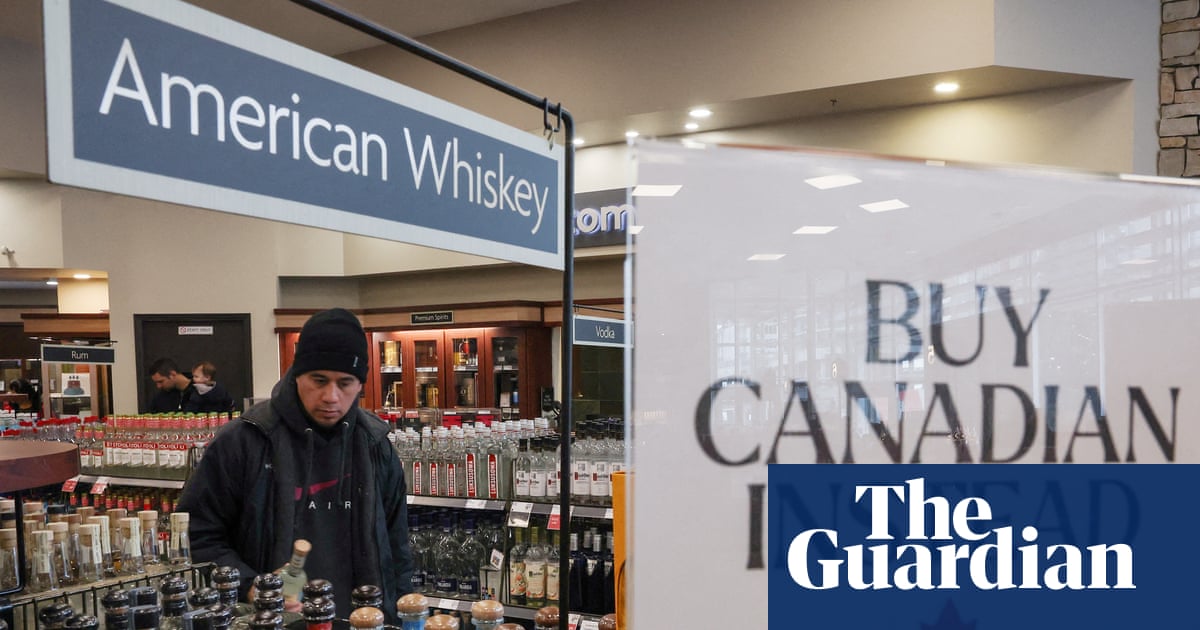
Donald Trump retaliated on Thursday by ordering the federal government to rename Lake Ontario to Lake America. Such actions have added fuel to a widespread boycott of US products and services by Canadians that began early last year in response to the president’s trade war and threats to annex his northern neighbour. More than 3,500 people from across Canada shared with the Guardian via an online callout how they have made changes to their lives in response to the US administration’s political and economic stance.
Many expressed deep anger and sadness, but remained resolute that this was now a new way of living. Buying only Canadian groceries, including fresh produce, and boycotting travel south of the border featured heavily among the responses. Respondents have stopped paying for US technology; streaming services provided by Netflix, AmazonPrime, AppleTV and Disney+; petrol; vehicles such as Teslas; and whiskies including Jack Daniel’s.
Social media sites including X, Facebook and Instagram were also being avoided. In July, an Angus Reid survey found 40% of grocery shoppers were actively checking where products came from, and most of those avoiding US products where possible. The ABUS (Anything but US) or ABUSA (Anywhere but USA) acronyms and “Elbows Up!” slogan – a hockey term for offering a stiff defence – began appearing in Canada last year.
We don’t fly US airlines, we stay in locally owned hotels, we won’t even connect in a US airport … we’ve moved investments to Canadian companies, and we actively avoid USA products, produce and groceries. It can be pretty inconvenient to do the research and read signs and labels, and often more costly, but BDS [boycott, divestment, sanction] is the only tool ordinary people have to stand up for our values.” Elizabeth Lorenz, 68, a retired teacher who lives in Nanaimo, British Columbia, said she would change a recipe to work around a lack of certain ingredients. Although this means the transportation of this produce has contributed to more environmental degradation than if I were to buy American produce, my outrage at America’s greed and corruption trumps (apologies for the pun) my environmental concerns.” She has planted yams and sweet potatoes in her garden “since only American-grown yams and sweet potatoes are available”, she said.
Jane, 54, a teacher, was one of many who believed the relationship between the US and Canada had been badly damaged, perhaps beyond repair. For more than a year, I have been driving four hours to Toronto for those events that I normally would drive only an hour to in the US.” She said at first making the changes to non-US goods was “quite challenging” but she uses apps and online forums which direct her to Canadian options. Among the many US products Jane has replaced with Canadian equivalents are Heinz Tomato Ketchup, Kraft Cheese and Charmin toilet paper.
Extract — continue reading at the source.