SAN ÁNGEL ZURUMUCAPIO, Mexico — Óscar García slowed his truck as he passed the checkpoint of paramilitaries who now guard his town, calling out the nicknames of several of the masked men toting semiautomatic rifles. His grandfather, Francisco, 74, who rode beside him in a straw cowboy hat, shook his head. This region had once been peaceful, if poor.
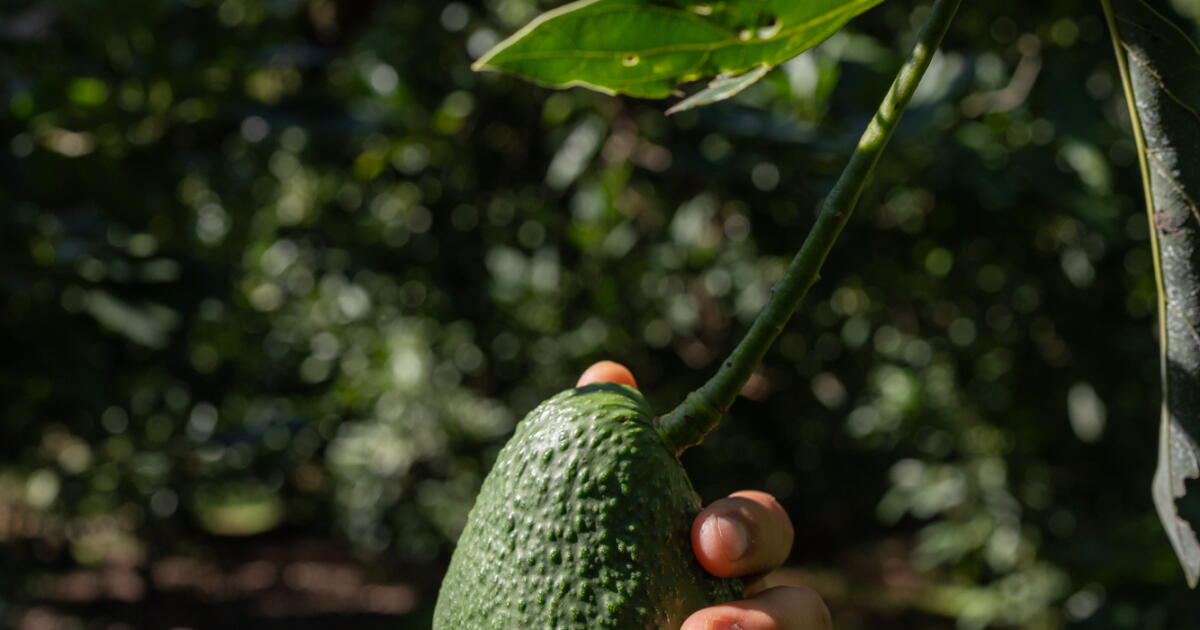
The explosive growth of the avocado industry has brought enormous wealth to this stretch of western Mexico. Danger lurked in the shady groves of avocado trees that stretched on the mountainsides as far as the eye could see. It had touched their town, and their family.
Óscar turned off the winding highway and up a rutted dirt road lined with orchards. He is only 18, but it is his job now to care for his family’s farm. After a few miles, he put his foot on the brake.
The main plaza of San Ángel Zurumucapio, surrounded by avocado orchards that have brought prosperity to the town. 2. Francisco García at the family home in San Ángel Zurumucapio, in Mexico’s Michoacan state. 3. An “autodefensa,” or armed member of the town’s militia, checks a vehicle’s paperwork at one of the barricades erected to protect San Ángel Zurumucapio,.
San Ángel Zurumucapio, a hamlet of 6,000 with P’urhépecha indigenous roots, is the kind of place where everybody seems to be distant relatives, and where the social calendar revolves around the big rodeos held every few months. Not long ago, this region had all been virgin forest. As a young man, Francisco traversed it on horseback, eking out a living by draining resin from the towering pines.
Back then, it felt as though the only way a person could get ahead was by leaving. That’s what Francisco had done, toiling in Texas for a stint to afford a house back home large enough for his 12 children. His oldest son, known as Pancho, had done the same, heading north as a teenager to work six years on a Christmas tree farm in North Carolina.
Extract — continue reading at the source.