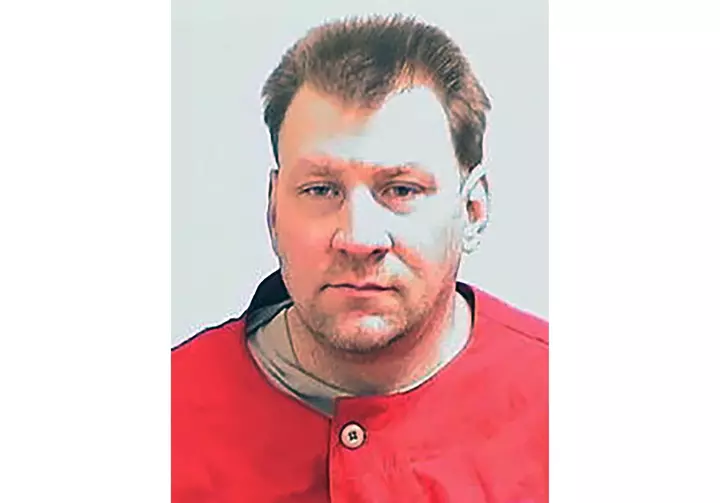
An Indiana man who killed his girlfriend’s two children was executed on Thursday using lethal drugs that his lawyers said were obtained from a pharmacy that is facing having its license revoked. Jeffrey Weisheit, 50, died at the Indiana State Prison in Michigan City early Thursday. The lethal injection started just after midnight and he was pronounced dead at 12:45 a.m., the Indiana Department of Correction (IDOC) said in a statement.
Weisheit was sentenced to death for killing 8-year-old Alyssa Lynch and her 5-year-old brother, Caleb Lynch, by setting fire to his girlfriend’s house near Evansville in 2010. The execution took place after Weisheit’s attorneys and death penalty opponents raised concerns about the state’s lethal injection drugs, saying the pentobarbital that was to be used was purchased from a pharmacy that is being investigated by the state’s attorney general for alleged misconduct and safety violations. In a statement to Newsweek, Weisheit's attorneys said the state's "executive branch—the governor, the attorney general, and the corrections department—chose in unison to debase themselves to carry out his execution in the face of facts—not allegations, but incontrovertible facts" that the drugs used in the execution were supplied by Pharmaneek Inc.
They said that records show that a day after the Indiana Pharmacy Board "ordered Pharmaneek, Inc. to show why it should not be immediately shut down, the Department of Correction paid Pharmaneek $275,000 to supply it execution drugs that, when sold as medicine to a hospital, cost $9,000." Indiana officials did not publicly confirm that the drugs used in Weisheit’s execution were purchased from Pharmaneek, but previously confirmed that it paid $275,000 for six vials of pentobarbital in late October. It comes after Tennessee’s botched execution of Christa Pike in September brought fresh scrutiny on how states carry out the death penalty in the U.S., particularly when using lethal injection, including how states obtain lethal drugs after pharmaceutical companies moved aggressively to keep their products from being used in executions. Courts have rejected efforts to stop other executions using lethal drugs in the weeks since Pike, 50, survived two doses of pentobarbital.
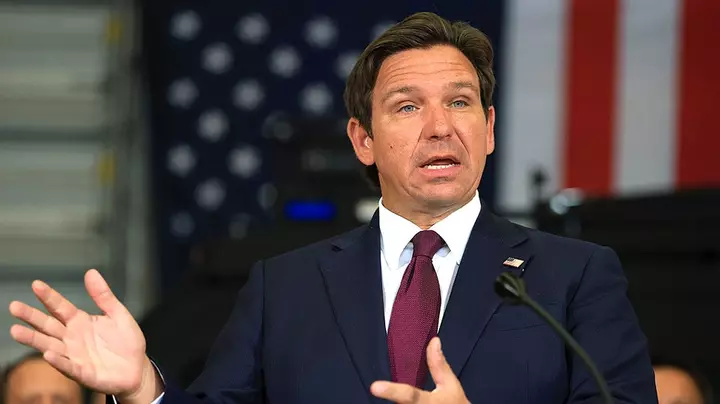
Newsweek has contacted the Indiana Department of Correction, the Indiana governor’s office and the Indiana state attorney general’s office for comment via email. Weisheit’s attorneys had asked Indiana Governor Mike Braun to halt the execution and order an independent review of Indiana’s lethal injection procedures and its procurement of execution drugs. In an application for the reprieve, Weisheit’s attorneys said Indiana purchased pentobarbital for use in executions from Pharmaneek Inc.
State law prohibits the release of identifying information about the state's procurement of lethal injection drugs. But Weisheit's attorneys said they identified the supplier from an IDOC invoice that was not properly redacted. Pharmaneek is facing suspension of its license over alleged violations of restrictions surrounding compounding, the practice of preparing customized medications.
The pharmacy is scheduled to appear for a disciplinary hearing before the Indiana Pharmacy Board on Monday, according to an online agenda. But Weisheit's attorneys said the hearing has been postponed to December 14. "This has meant and will mean that, unless emergency steps are taken, this pharmacy will continue supplying medicine to the public, jeopardizing Indianans up and down the state, because the governor, the attorney general, and the corrections department could not step back from the public display of their power to take a life in the people’s name at essentially any cost," the attorneys said.
Extract — continue reading at the source.