sözaltı news World
World
EN AZ
Indonesian babies were trafficked to Singapore. What happens to them now?

Indonesian babies were trafficked to Singapore. What happens to them now?

bbc.co.uk 24.07.2026 17:33 23 baxış
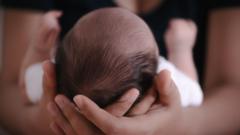
At least 12 babies have been trafficked from Indonesia to Singapore, but what will happen to them remains unclear.

A baby trafficking ring has been convicted - but what now for the babies?ByTessa Wong, Reporting fromSingapore and Astudestra Ajengrastri, Reporting fromJakartaPublished24 July 2026On Tuesday an Indonesian court convicted 19 people for baby trafficking, wrapping up a high-profile case - but leaving a key question unanswered.The members of the trafficking syndicate were found guilty of procuring at least 34 babies and selling them for adoption.Most of the children were bound for Singapore, and at least 12 babies were sent over.The case has garnered attention in both countries for months. Now that it has ended, its verdict has sharpened the question of what will happen to the babies in Singapore. Will they - and should they - return to Indonesia?It was 'love at first sight' with their adopted baby.

Then they were told he may have been traffickedPublished9 JulyThis is foremost in the minds of the adoptive parents in Singapore taking care of the babies. For months they have been on tenterhooks, waiting to find out whether they will get to keep their children.Speaking to the BBC after the verdict, David, the Singaporean parent whom we interviewed previously, said he wanted both governments to make a decision soon."Since the case is concluded, how can we move on and what will happen to our son? It's been almost a year of fear and anxiety from waiting," said David, who spoke to us on condition we use a pseudonym for him."I sincerely hope that both authorities can come to a decision based on the best interests of the children."We respectfully ask that, in making this decision, consideration be given to the fact that both our son and our family are victims of the circumstances surrounding this case."David and his wife Ally had previously told the BBC that they had no idea the child they adopted from Indonesia could have been trafficked.

They said they had done their best to do their own background checks.During the adoption process they had submitted to numerous checks from the Singaporean government which, they said, should have detected the trafficking.Neither Indonesian nor Singaporean authorities gave definitive answers to the BBC's previous queries about what they intend to do with the babies.Following the verdict, we asked them again.Indonesia's foreign affairs ministry said "several aspects require further examination including the children's legal status, the identities of their biological parents, and the ongoing proceedings in Singapore".It reiterated that it is "committed to prioritising the best interests of the children".In a joint statement, Singapore's ministries for home affairs and social and family development said they were still working closely with Indonesian authorities for information on the children and biological parents.The ministries said the children's best interests would be "a key consideration" for the courts to decide on pending adoption applications.They added that based on available information, they were "presently unable to conclude that any offence has been committed in Singapore, or by Singaporeans or Singapore-based entities".During the trial the ringleader of the trafficking ring had said four people in Singapore had approached her to procure babies, and the Indonesian branch of Interpol has also publicly named the Singaporean adoption agency that handled the babies. s week a court in West Java found 19 people guilty of trafficking the babiesThere is little data on what happens to children who have been trafficked within Indonesia after they are rescued, as the information is generally not made public, according to Ni Made Martini Puteri, a criminologist and lecturer at the University of Indonesia.It is even less clear what happens to children who have been trafficked overseas.Anti-trafficking and child rights groups in Indonesia have argued that the children in this case should return to their biological parents, as a matter of principle.Speaking to BBC Indonesian after the verdict, Ai Maryanti, a commissioner with Indonesia's independent child protection commission, said that as the children's true identities have still not been established, their "best interests have not been given sufficient consideration".Just because the children may already be adopted in Singapore, that "should not be treated as the final outcome", she added."Of course, children who are victims of human trafficking must be returned. Even if they're already adopted, what's the legal basis for that?"What we don't want is Singapore saying that the adoptions complied with their law. According to our law, we found there was a high level of manipulation, resulting in Singapore easily accepting [the adoption applications]."During the trial it emerged that the trafficking ring had submitted false information when applying for the infants' birth certificates and family cards.

They had listed the names of members of the trafficking ring as the children's birth mothers.Local officials had issued the documents based on this information, raising questions about whether they failed to conduct adequate checks.Uncharted territoryAnnulling the adoptions in Singapore and returning the children to Indonesia will likely be complicated, as it goes into uncharted territory.Lawyers told the BBC they had never heard of a case where an adoption order was revoked in Singapore.With a framework that is designed with "substantial safeguards upfront" including numerous checks, "adoption orders in Singapore are generally treated as final", said Derek Choo, an associate director with PKWA Law Practice.If the government applies to revoke the adoption orders, the court could consider several factors, said Lim Fung Peen, a consultant with Yuen Law.One is the psychological impact o

Extract — continue reading at the source.

Read full story