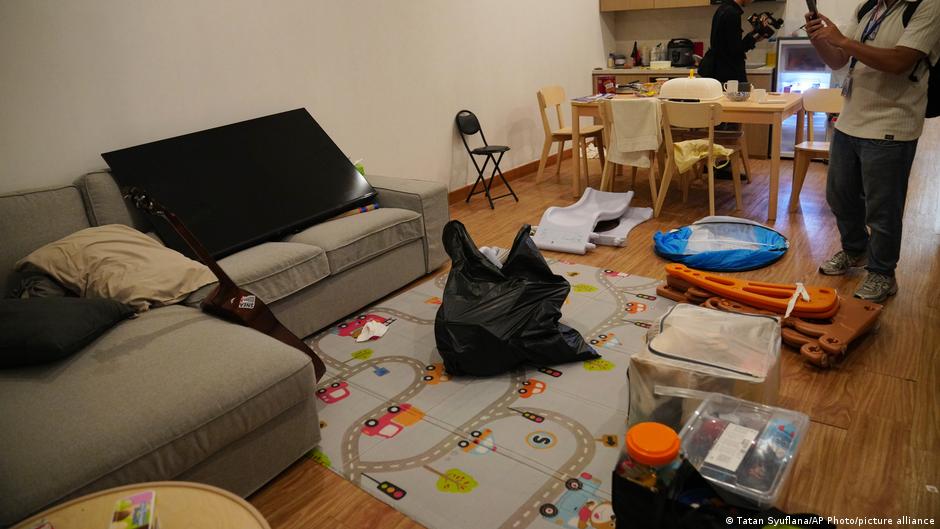
Air-conditioned apartments, flat-screen televisions and even a golf simulator are hardly what most people would associate with life behind bars. Yet these luxuries were among the facilities uncovered last month at Indonesia's Cibinong Prison, near Jakarta, during a surprise inspection by the country's Ombudsman. Investigators discovered more than 10 apartment-style units equipped with refrigerators, sofas and private living areas.
A gym was also reportedly under construction. The revelations prompted an investigation into whether inmates had paid for preferential treatment. Five prison officials were initially suspended, while the prison's warden was dismissed on October 5.
Authorities demolished 10 unauthorized buildings and took further disciplinary action against prison staff. It wasn't Indonesia's first luxury prison scandal. In 2018, investigators from the Corruption Eradication Commission discovered that wealthy inmates at Sukamiskin Prison in Bandung enjoyed accommodation resembling private apartments.
Similar controversies have emerged elsewhere in Southeast Asia. Last November, authorities in Thailand investigated allegations that Chinese prisoners at Bangkok Remand Prison received special privileges, including access to an executive lounge. In Malaysia, allegations of preferential treatment for politically connected prisoners have repeatedly surfaced.
The latest Indonesian scandal prompted renewed calls for independent inspections of Malaysian prisons. "Just like in the outside world, money and influence act as capital within the prison system. Powerful inmates generally do not lose their wealth and often maintain strong connections with influential people," Iwa Maulana, a senior researcher at Indonesia's Center for Detention Studies (CDS), told DW.
"When certain inmates receive different treatment based on their resources and influence, it demonstrates that, much like in the outside world, a person's identity affects how they are treated, even within prison walls," he added. Overcrowded and poorly resourced prison systems also create opportunities for corruption. Indonesia's detention facilities held approximately 279,000 people in late September, despite having an official capacity of around 154,000, according to government data.
Extract — continue reading at the source.