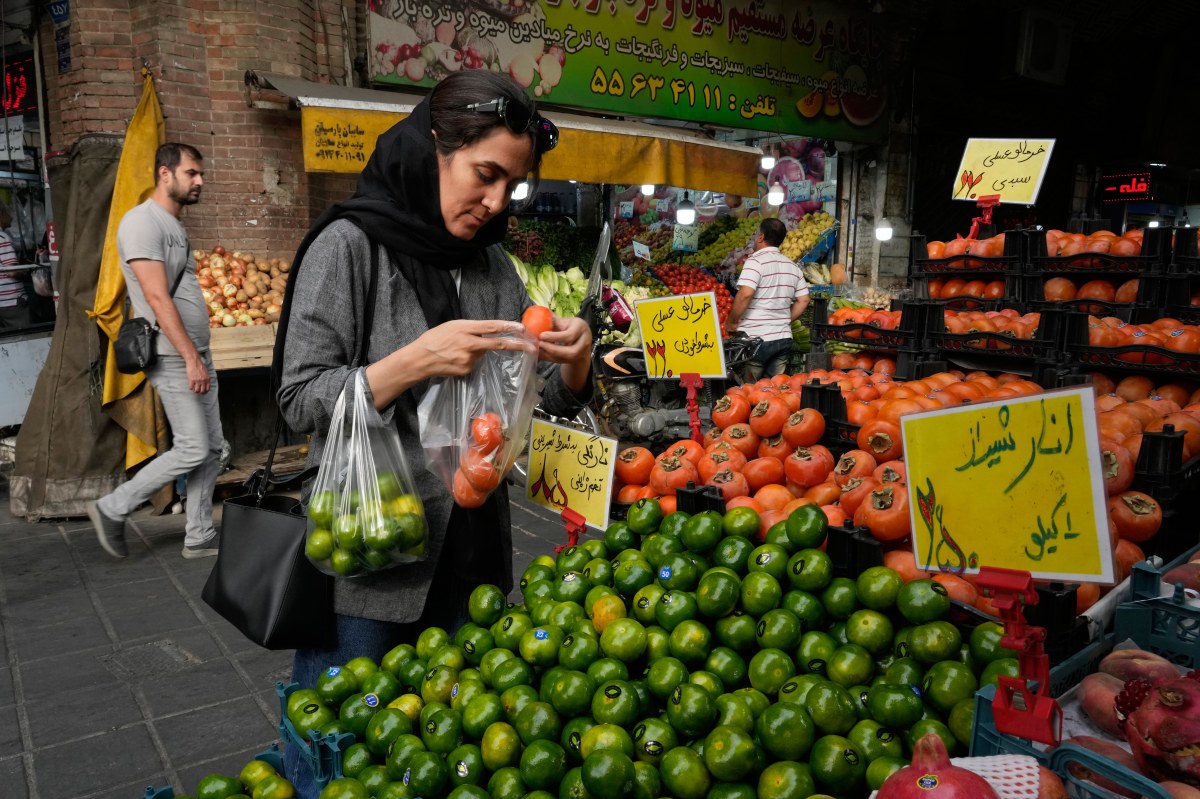
In Mariam’s neighborhood in Iran, a shopkeeper lets people take essentials they cannot afford without paying, she said, as a pause in the bombing offers little relief from rising prices. Mariam, a 53-year-old mother of two, is relieved that schools have reopened. Shopping brings a different worry, though.
The United States and Israel launched strikes on Iran on February 28, prompting Iranian attacks on Israel and Gulf countries. President Donald Trump said on October 8 that the United States would not attack Iran before the November 3 midterm elections, while maintaining the naval blockade and reiterating his demand that Iran never acquire a nuclear weapon. Central Command says its forces continue to stop ships entering or leaving Iranian ports.
The International Monetary Fund (IMF) forecasts an economic contraction and steep increases in consumer prices for Iran in 2026. The interviewees describe what those pressures mean at home and at work: employees asking for raises, business trips becoming more expensive, and neighbors helping one another afford necessities. They also reveal a contrast between financial anxiety and a social atmosphere that some describe as more relaxed.
Their frustrations lead to sharply different conclusions about what should happen next. Iran’s inflation problems predate the war: research published by the IMF in 2022 identified sanctions, currency depreciation and government budget deficits among the drivers of rising prices. Washington continues to increase economic pressure.
On October 8, the Treasury Department targeted 17 vessels it said were transporting Iranian oil and petrochemical products in violation of U.S. sanctions. For Reza, a 61-year-old business owner in Esfahan, uncertainty has made it difficult to decide whether to expand, cut back or change how he works. Every decision feels like a risk and doing nothing is also a risk.” Part of his business depends on trade and clients in Dubai.
He said restrictions affecting Iranian airlines mean he must travel through Turkey, adding hours and expense to the journey. A weakening currency further complicates his calculations. A weaker rial can make imported goods more expensive in local currency, one way that exchange-rate declines feed the inflation identified in the IMF research.
Extract — continue reading at the source.