sözaltı news World
World
EN AZ
Iran activists tell BBC how threat of war intensifies trauma of repression

Iran activists tell BBC how threat of war intensifies trauma of repression

bbc.com 11.05.2026 01:01 18 baxış
A dissident in Tehran says she feels helpless and under immense psychological pressure.

Iranian activist tells BBC how fear of war restarting intensifies trauma of repression Fergal KeaneSpecial correspondentBBC speaks with civilians inside Iran struggling with impact of warThese days and nights she stays at home in Tehran. For the sound of aircraft. For news or no news of friends in detention.

Shirin - not her real name - is constantly anxious. She is showing signs of post-traumatic stress disorder. Her left hand is no longer fully functional."Whenever I hear a disturbing sound, my body reacts involuntarily.

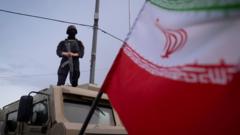
The psychological pressure that entered my mind has numbed this part of my left hand. I still have anxiety that the war might start again, and that is a terrifying thing."On the streets the regime stages shows of strength, including parades by women driving jeeps mounted with heavy machine guns, others with automatic rifles.Getty ImagesIranian security services were watching closely at a state-run religious rally in TehranThe BBC uses trusted sources inside Iran to speak with those whose voices are silenced by the regime.As a political activist living under severe repression Shirin suffers a feeling of helplessness."Things [have] happened that we could do nothing about — for example, the execution of those arrested during the January uprising. The executions happened and the detainees were hanged… we have now lost the streets."Heavily armed women were among those taking part in a pro-government march last monthShe listens for the sound of cars pulling up outside.

The phone call summoning her to interrogation. When they've come for you once already, the fear never goes away.The first time she was on the phone to her mother when the car pulled up beside her on the street. It was back in 2024 during the long fallout from the "Woman, Life, Freedom" protest movement after the death in custody of 22-year-old Mahsa Amini, arrested by the Morality Police for allegedly not wearing her hijab properly.A man and a young woman got out and stood in front of Shirin."Are you Mrs …?" The man asked."I said 'yes'.

I told my mother I would call her back later and hung up."They had been in the middle of talking about finding food for their evening meal.As a political activist Shirin understood what was happening. The couple confronting her were secret police."I asked: 'What do you want?" They said, 'You are under arrest.'"Moments later she was inside the car and the young woman challenged her for not wearing a headscarf. There was a scuffle."She said, 'Put on your headscarf.' She tried to force the headscarf on me.

I said: 'You shouldn't touch my headscarf.' I pulled her hand down."Getty ImagesThe "Woman, Life, Freedom" protest movement started in 2022 after the death in custody of Mahsa AminiShirin was interrogated but eventually released after signing a statement agreeing to public silence for two months on pain of solitary confinement. Breaking that pledge would mean going straight to jail. If Shirin were to be arrested today it's highly unlikely she would be offered a choice.According to Human Rights Watch (HRW), "detainees, many of whom never should have been detained in the first place, are facing human rights violations, serious injury, and death."Activists estimate that more than 50,000 people have been arrested since the most recent anti-regime protests in January.

Extract — continue reading at the source.

Read full story