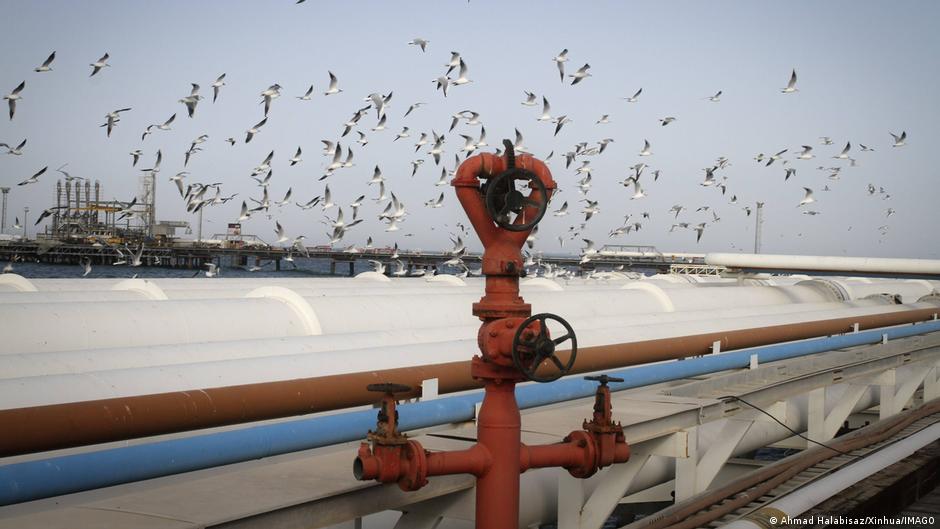
With its toughest sanctions yet, the administration of US President Donald Trump is seeking to force Iran's leadership into submission. The measures, dubbed "economic D-Day" sanctions, are intended to achieve what military pressure since February has failed to accomplish. In addition to targeting Iran's key sources of revenue and trade, including oil, banking, gold, shipping, aviation and certain technology sectors, US authorities are increasingly focusing on cryptocurrencies.
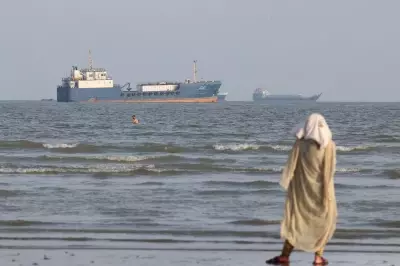
Digital currencies such as bitcoin, which operate outside the traditional banking system and dollar-based financial networks, are being used by Iran for money transfers, trade transactions and, increasingly, oil-related business. Iran also appears to be exploring cryptocurrencies as a way to secure oil shipments passing through the Strait of Hormuz. According to the Fars News Agency, which is close to Iran's Revolutionary Guards, the idea was proposed by Babak Zanjani.
The 53-year-old billionaire was released from prison last year and remains one of the most prominent figures in a network that has grown over decades and helped Iran navigate international sanctions. Individuals within these networks enjoy support and protection from influential figures inside the Islamic Republic. In return, they are believed to share part of their profits with powerful patrons within the system.
"Among these people, Zanjani belongs to an economic elite with innovative ideas and has repeatedly demonstrated his capabilities in the past," said Behzad Ahmadinia, an Iran-born journalist based in Cyprus who specializes in the oil and energy sector. "It appears that the regime has decided to overcome internal rivalries and rely on professionals and experts who can work more efficiently than others and take over key positions." Iran can draw on decades of experience in operating under sanctions. The system extends far beyond individual businessmen and includes a vast network of companies, financial channels and personal connections.
Corruption and a lack of transparency are widely regarded as structural problems within Iran's political and economic system. Transparency International's Corruption Perceptions Index 2025 gave Iran a score of 23 out of 100 and ranked it 153rd out of 182 countries, indicating a very high perceived level of public-sector corruption. Zanjani reportedly controlled a business empire of around 60 companies, including entities in Malaysia, Tajikistan, Turkey and the United Arab Emirates.
Many of these firms were later sanctioned by the United States. Through this network, Zanjani began selling billions of barrels of Iranian oil on the black market during the presidency of Mahmoud Ahmadinejad, while also importing a wide range of goods, including aircraft, into Iran. To view this video please enable JavaScript, and consider upgrading to a web browser that supports HTML5 video In 2016, however, he became entangled in Iran's internal power struggles.
Extract — continue reading at the source.