As regional powers step up diplomatic efforts to prevent another escalation in the eight-month United States-Israel war on Iran, Tehran is showing little sign of backing down from its red lines. The announcement by China on Tuesday that Beijing will be sending an envoy to relevant countries in the region soon to help avoid another round of escalation highlights the growing urgency of finding a peaceful solution to a conflict that has disrupted global energy markets and spilled over across the region. On Monday, senior officials from Saudi Arabia, Pakistan and Turkiye – the three nations which signed the Mecca defence pact in August – met with high-ranking Iranian officials, promising to continue discussions related to “peace and security” in the region.
However, Tehran appears determined not to budge on its demands, particularly as it holds considerable leverage over the future of maritime trade in the Strait of Hormuz, through which one-fifth of global oil and liquefied natural gas (LNG) were shipped before the war. Tehran continues to insist on sanctions relief, an end to the US naval blockade on its ports in the Gulf and guarantees that the US will not renew attacks, in exchange for helping to resume normal traffic in the Strait of Hormuz. The US wants Iran to give up more before a final peace settlement is negotiated – including making concessions about its nuclear programme.
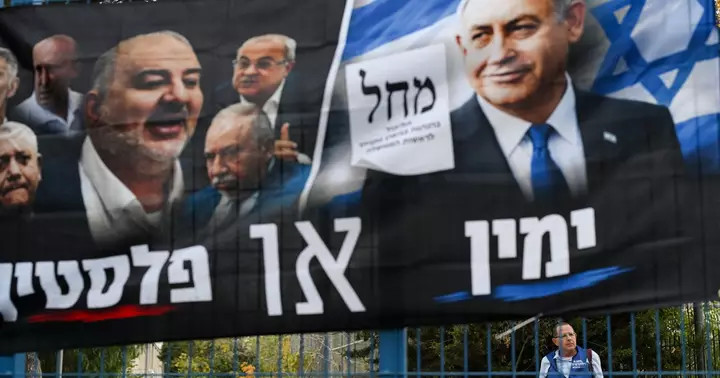
Experts say Iran’s current calculations are being driven by several factors, including its deep distrust of Washington – which has launched strikes on Iran three times since June 2025 while conducting talks – the belief that continued economic pressure could force more attractive US concessions, and much-anticipated elections in Israel and the US this week and next. At the heart of Iran’s position is a belief that previous diplomatic efforts have failed to provide sufficient protection against renewed US and Israeli attacks. The US and Israel launched the first strikes of the war on February 28, just as peace talks were ongoing in Oman.
Last year, Israel launched its 12-day war on Iran in June, which the US joined. Pakistan and Qatar helped broker a memorandum of understanding in June this year aimed at reopening the Strait of Hormuz, ending the US blockade of Iranian ports and laying down the conditions for the start of negotiations over Iran’s nuclear programme. But the arrangement quickly unravelled as both sides resumed attacks, leading to sustained US attacks on Iran for several weeks in July, followed by retaliatory strikes from Iran on US military assets and energy infrastructure in neighbouring Gulf countries, as well as in Jordan.
Sina Toossi, a senior non-resident fellow at the Center for International Policy (CIP), said the failure of that arrangement had hardened Tehran’s position. US President Donald Trump, meanwhile, has remained ambiguous over what course of action he will take in the near future. He had previously said attacks on Iran would not take place until after the US midterms on November 3.
Mohsen Rezaei, secretary of Iran’s Supreme National Security Council, said last week that the country’s armed forces were prepared to respond to any new attacks, including by invading Tehran’s neighbours and hitting bases used in US military operations as part of its new “offensive” strategy in its war with the US. He also said Iran would only reopen the Strait of Hormuz and begin peace talks once Washington took concrete steps to rebuild trust, including meeting Iran’s latest set of conditions – suspending sanctions, unfreezing Iranian assets, lifting the US naval blockade of Iranian ports and giving concrete assurances that it will not begin strikes again. The US midterms next week, when all 435 House of Representatives seats and 35 of the 100 Senate seats will be up for grabs, will determine which party has control of the US Congress for the final two years of Trump’s presidency.
Extract — continue reading at the source.